


Plea Of Alibi Demands Strict Proof, Digital Evidence Needs Section 65B Certificate: Bombay HC
 Copy Link
 Share
 Save
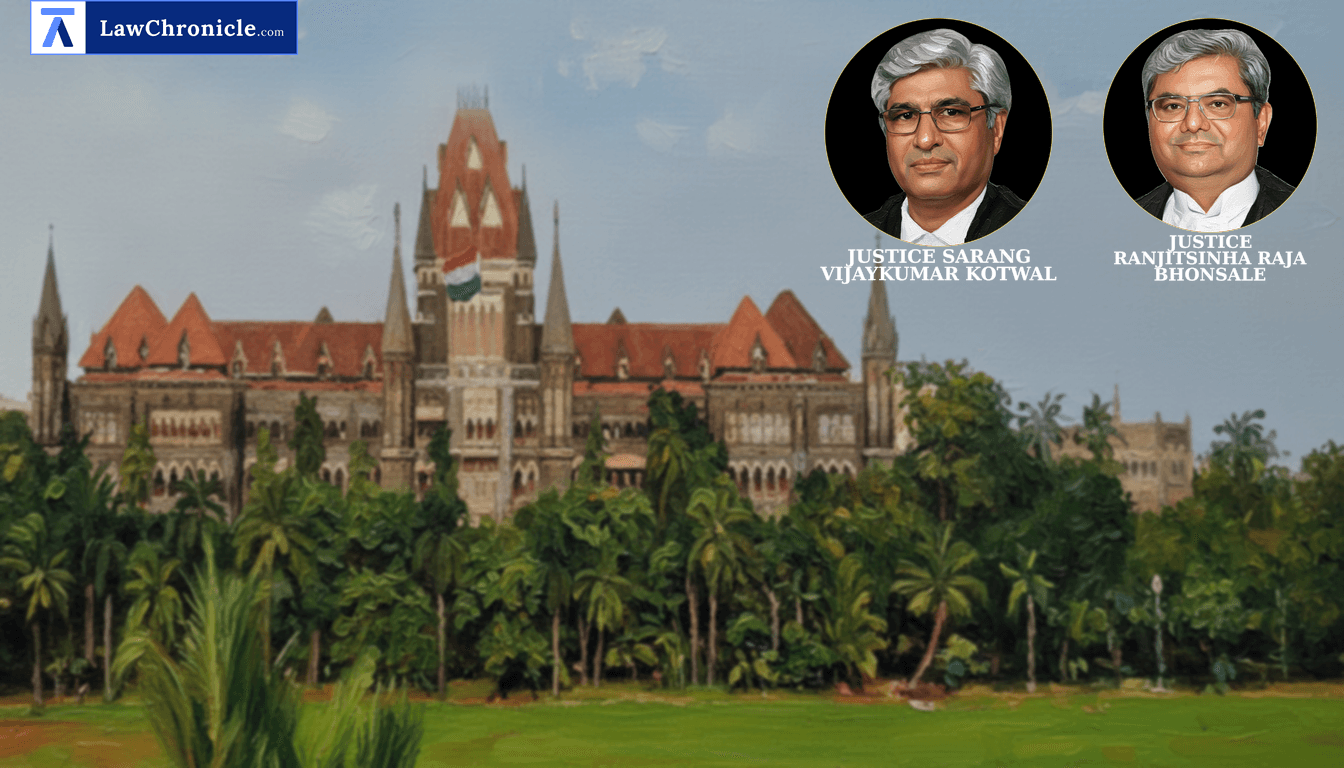
In a stern warning against unverified digital defences in brutal violent crimes, the Bombay High Court has affirmed life sentences for four men involved in a public murder involving 101 incised wounds, holding that unauthenticated electronic evidence cannot establish an alibi.
A Division Bench comprising Justice Sarang V. Kotwal and Justice Ranjitsinha Raja Bhonsale dismissed appeals filed by convicted individuals after analyzing eye-witness testimonies, medical evidence, and procedural mandates regarding digital records under the Evidence Act.
Key Takeaways
Unauthenticated CCTV Unusable
Digital records offered to substantiate an alibi are inadmissible without explicit certification under Section 65B of the Evidence Act.
Direct Witness Primacy
Minor delays in recording statements of terrified eye-witnesses do not diminish their intrinsic credibility when corroborated by natural circumstances.
Strict Burden for Alibi
Proximity of alleged alibi venues to the crime scene leaves open the possibility of presence at the spot, failing the test of complete physical impossibility.
The Court carefully evaluated the reliance placed by the defence on digital evidence to claim absence from the crime scene. Addressing the legal standard required to prove such claims, the Court observed: "The defence evidence is based on the CCTV footage, the photographs and video shoot. In none of these, the requisite certificate required U/s.65B of the Evidence Act is produced. The device on which those digital images were captured were not used by the defence witnesses who were examined, therefore, they could not have proved those images."
The Court has the following directions:
"All the Appeals are dismissed."
Ratio
Electronic records introduced to establish a plea of alibi under the Evidence Act are strictly inadmissible in evidence unless accompanied by a mandatory certificate under Section 65B executed by a person who operated or managed the device capturing the images. Furthermore, a plea of alibi cannot succeed unless it is established that it was physically impossible for the accused to be present at the crime scene at the time of the offence.
Background
The case arose from a violent assault on May 18, 2017, at Panchavati, Nashik, where Kiran Nikam was intercepted near his residence and inflicted with 101 incised wounds using sharp weapons. The prosecution relied on testimonies from eyewitnesses, including the victim's maternal cousin, wife, and acquaintances. Charges were framed under Sections 302, 143, 147, 148, 120B read with Section 149 of the IPC.
During the trial before the Additional Sessions Judge, Nashik, the defence presented witnesses and pen-drives containing CCTV footage and photographs claiming Accused Nos. 2 and 3 were attending separate wedding ceremonies at the time of the murder. However, the trial court rejected the alibi plea due to non-compliance with Section 65B of the Evidence Act and convicted the appellants, sentencing them to life imprisonment. The appellants challenged their conviction before the High Court citing Shaikh Mohammed Salim Karimullah and others V. State of Maharashtra ( "1998 CRI.L.J. 3170": 1998 CaseBase(BOM) 159) regarding Section 313 CrPC compliance, Ram Lal Narang V. State (Delhi Admn.) on police duty to investigate alibis, and State of U.P. Versus Babu Ram on equal treatment of defence witnesses.
Rejecting the appeals, the High Court held that the prosecution established guilt beyond reasonable doubt through trustworthy eye-witnesses, while the defence failed to meet the strict legal standard for an alibi.
Case Details:
Case No.: Criminal Appeal No. 701 of 2023 with Criminal Appeal No. 762 of 2023 with Criminal Appeal No. 1254 of 2023
Neutral Citation: 2026:BHC-AS:35685-DB
Case Title: Santosh Vijay Pagare vs. The State of Maharashtra
Appearances:
For the Petitioner(s): Dr. Yug Mohit Chaudhary a/w. Mr. Anush Shetty, Ms. Shraddha Sawant, Mr. Aniket Vagal a/w. Ms. Savvy Kolhekar
For the Respondent(s): Ms. Gauri S. Rao, APP for State/Respondent; Mr. Akshay Bankapur for Intervenor
Source: 2026 CaseBase(BOM) 4764
Similar Articles
 Breaking News


