


Prolonged Delay In Witness Examination And IO's Absence Fatal To Conviction: Patna HC
 Copy Link
 Share
 Save
Unexplained monumental delays in recording witness statements and the non-examination of the Investigating Officer create an irreparable lacuna, rendering a conviction for murder legally unsustainable. The Patna High Court has set aside a life sentence, emphasizing that investigation delays suggest a 'deliberately marking time' approach to introduce fabricated eyewitnesses.
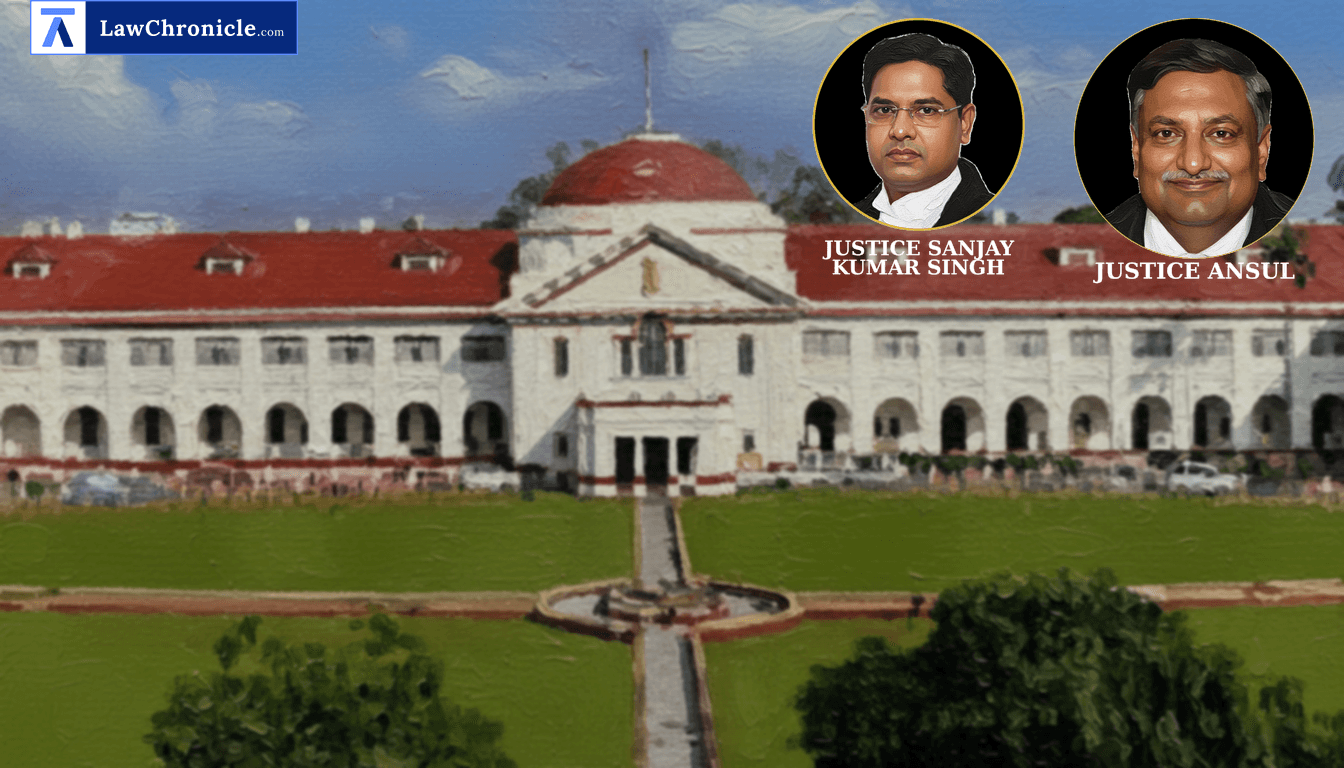
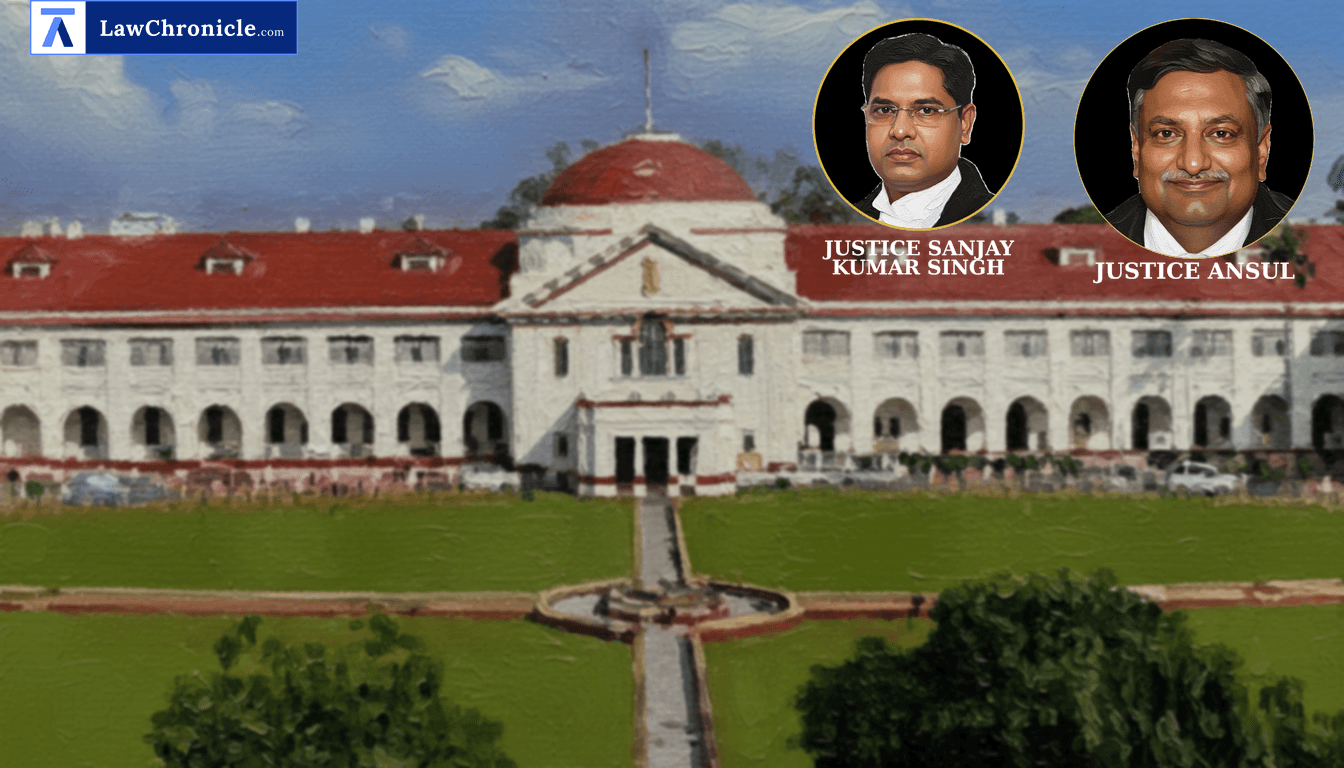
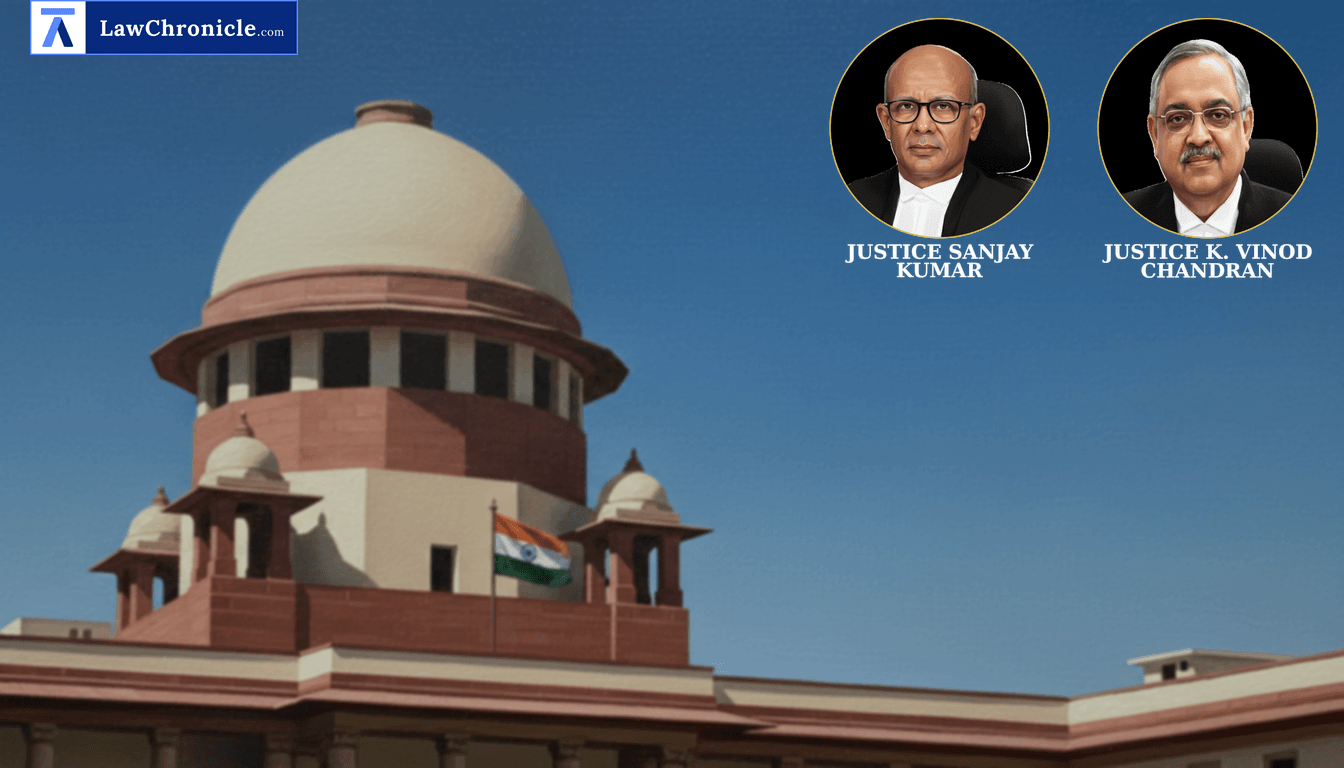
A division bench of Justice Sanjay Kumar Singh and Justice Ansul heard the appeal challenging the conviction of an appellant sentenced to life imprisonment for murder and four years for disappearance of evidence. The Court scrutinised the prosecution's failure to provide a coherent timeline and the suspicious delay in recording key testimonies.
Key Takeaways
Credibility of Eye-Witnesses
Delayed examination of witnesses without explanation raises a bona fide doubt regarding the veracity of their statements and their presence at the scene.
Prejudice from IO's Absence
While non-examination of the Investigating Officer (IO) is not always fatal, it becomes a ground for acquittal if the defense shows it caused prejudice regarding the place of occurrence and evidence collection.
Investigation Integrity
Inordinate delays in recording statements under Section 161 of the Code Of Criminal Procedure suggest that the prosecution story may have been 'conceived and constructed' in a shady setting.
Judicial Scrutiny of Witness Testimony and Investigative Delays
The Court observed that although the deceased went missing at 6:00 PM, the FIR was only lodged after the recovery of the dead body the next morning. Furthermore, the statements of alleged eyewitnesses were recorded after delays ranging from 12 days to over two months. The bench highlighted that such 'monumental delays' for persons claiming to be eye-witnesses are unacceptable and indicate that these individuals were introduced during investigation to buttress a weak case.
The Court, in its reasoning, observed: "A catena of circumstances which lend such significance to this delay, exists in the instant case... This circumstance, looming large in the back-ground, inevitably leads to the conclusion, that the prosecution story was conceived and constructed after a good deal of deliberation and delay in a shady setting, highly redolent of doubt and suspicion."
Referring to Ganesh Bhavan Patel v. State of Maharashtra ( "(1978) 4 SCC 371": 1978 CaseBase(SC) 32), the Court noted that even a delay of a few hours in recording statements can assume a character of serious infirmity if the investigator is marking time to shape the case. The Court also relied on Shahid Khan v. State of Rajasthan ( "(2016) 4 SCC 96": 2016 CaseBase(SC) 133) to reiterate that unexplained silence and delayed statements to the police make witnesses wholly unreliable.
Impact of Non-Examination of the Investigating Officer
The Court found that the non-examination of the IO prevented the defense from clarifying contradictions or verifying the alleged confession. Citing Lahu Kamlakar Patil v. State of Maharashtra ( "(2013) 6 SCC 417": 2012 CaseBase(SC) 497), the Court explained that when the informant claims signatures were taken on blank papers and material contradictions exist, the IO's presence becomes vital.
The Court has the following directions:
"The appeal is allowed. The judgment of conviction dated 14.01.2008 and the order of sentence dated 16.01.2008 passed by the learned Additional District and Sessions Judge, F.T.C. 5, Khagaria is hereby set aside. Consequently, the appellant of the present appeal is acquitted of the charges levelled against him."
Ratio
The prosecution's failure to explain significant delays in recording witness statements under the Code Of Criminal Procedure, coupled with the non-examination of the Investigating Officer which causes prejudice to the accused's defense, vitiates the trial and entitles the accused to the benefit of doubt for acquittal under Section 302 of the Indian Penal Code, 1860.
Background
The case arose from the death of Md. Munawar, whose body was found in a field with multiple injuries. The appellant was accused of assaulting the deceased with a stick. While the Trial Court convicted the appellant under Section 302 and Section 201 of the Indian Penal Code, 1860, the High Court found major discrepancies. Specifically, the medical evidence from the postmortem suggested the time of death was earlier than the prosecution's timeline. The High Court also noted that the alleged confession was only made after the appellant was reportedly assaulted by the police. Following the precedents in Behari Prasad v. State of Bihar, Bahadur Naik v. State of Bihar ( "(2000) 9 SCC 153": 2000 CaseBase(SC) 1362), Arvind Singh v. State of Bihar ( "(2001) 6 SCC 407": 2001 CaseBase(SC) 509), Rattanlal v. State of J&K ( "(2007) 13 SCC 18": 2007 CaseBase(SC) 324), and Ravishwar Manjhi v. State of Jharkhand ( "(2008) 16 SCC 561": 2008 CaseBase(SC) 789) regarding investigative gaps, the Court allowed the appeal and discharged the appellant from his bail bonds.
Case Details:
Case No.: CRIMINAL APPEAL (DB) No.185 of 2008
Case Title: Musahru Sahni vs State of Bihar
Appearances:
For the Petitioner(s): Mr. Ranjeet Kumar Singh 2, Advocate
For the Respondent(s): Mr. D.K. Sinha, APP
Source: 2026 CaseBase(PAT) 3297
 Breaking News


