


Court Holds Resignation Forfeits Pension but Grants Gratuity and Leave Encashment to Legal Heirs
 Copy Link
 Share
 Save
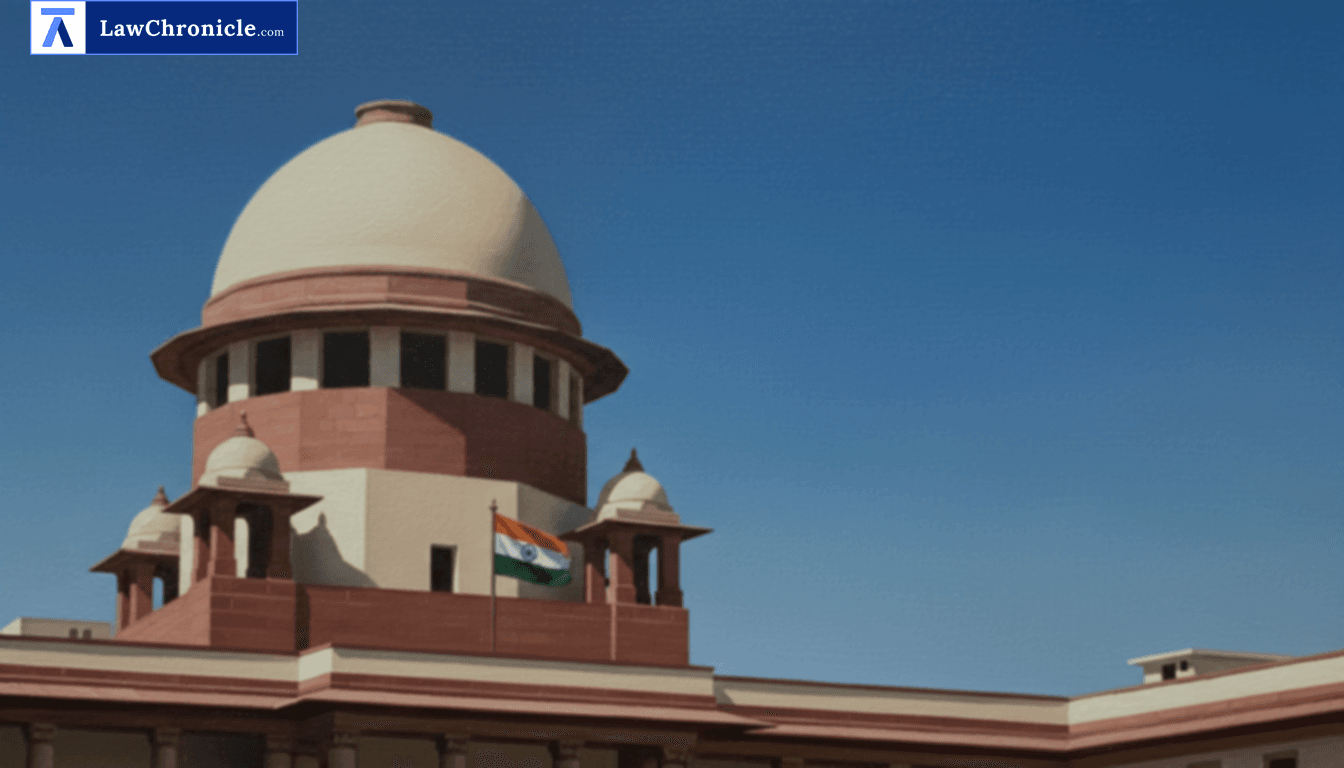
A Bench of Justices Rajesh Bindal and Manmohan heard an appeal by the legal heirs of the late Ashok Kumar Dabas challenging a Division Bench of the Delhi High Court which had affirmed Central Administrative Tribunal orders denying pensionary benefits after the employee’s resignation. The principal issue concerned whether resignation could be treated as voluntary retirement for pension purposes and whether gratuity and leave encashment were payable.
The Court held that resignation, once accepted and not withdrawn in the public interest, "entailed forfeiture of past service" under Rule 26 of the Central Civil Services (Pension) Rules, 1972, and therefore pension or family pension was not admissible. At the same time, the Court directed payment of gratuity and leave encashment to the legal heirs and ordered the respondent to deposit the amounts with interest. The Court, in its reasoning, observed: “In the present case, the first respondent resigned on 7-7-1990 with effect from 10-7-1990. By resigning, the first respondent submitted himself to the legal consequences that flow from a resignation under the provisions applicable to his service. Rule 26 of the Central Civil Service Pension Rules, 1972 ... states that: ‘Resignation from a service or a post, unless it is allowed to be withdrawn in the public interest by the Appointing Authority, entails a forfeiture of past service.’ ... Even if the first respondent had served twenty years, under Rule 26 of the CCS Pension Rules his past service stands forfeited upon resignation. The first respondent is therefore not entitled to pensionary benefits.” The Court further noted elsewhere that “the only inescapable conclusion is that on resignation by the employee, his past service stood forfeited.”
Background
The deceased joined the Delhi Transport Corporation in 1985 and elected a pension scheme introduced in 1992. He submitted a resignation dated 07.08.2014 which the competent authority accepted on 19.09.2014; a later request to withdraw the resignation was declined. On applying for retiral benefits in October 2015, the Corporation allowed only Provident Fund and refused pension, gratuity and leave encashment. The employee filed an original application before the Central Administrative Tribunal which dismissed his claim; review and writ petitions before the Tribunal and High Court were unsuccessful. The legal heirs moved this Court by special leave.
Counsel for the appellants argued that the resignation letter should not be literally construed, that pension was an earned right after over 20 years’ service (citing Rule 48-A), and that gratuity was payable under Section 4 of the Payment of Gratuity Act, 1972. Counsel for the Corporation relied on Rule 26 of the 1972 Rules and recent authority in BSES Yamuna Power Ltd. v. Ghanshyam Chand Sharma which, the respondent submitted, upheld the distinction between resignation and voluntary retirement and rejected reclassification of resignation as voluntary retirement.
After considering the scheme of the 1972 Rules, service record and precedents, the Court affirmed that Rule 26 produced a forfeiture of past service upon resignation and that resignation accepted by the appointing authority was conclusive. However, the Court held that the Payment of Gratuity Act, 1972 applied to the Corporation (no exemption notification on record) and that gratuity was payable where an employee had rendered not less than five years’ continuous service. The Court therefore partly allowed the appeal: it denied pension and family pension but directed payment of gratuity and leave encashment to the legal heirs. The amounts were to be paid within six weeks with interest at 6% per annum from the date of resignation until payment.
Case Details: Case No.: 2025 INSC 1404 Case Title: Ashok Kumar Dabas (Dead through Legal Heirs) v. Delhi Transport Corporation Appearances: For the Petitioner(s): [Advocates not mentioned in the reported judgment] For the Respondent(s): [Advocates not mentioned in the reported judgment]
Similar Articles
 Breaking News


