


Dignity Over Gestation: Delhi HC Permits Termination of 29-Week Rape-Conceived Pregnancy
 Copy Link
 Share
 Save
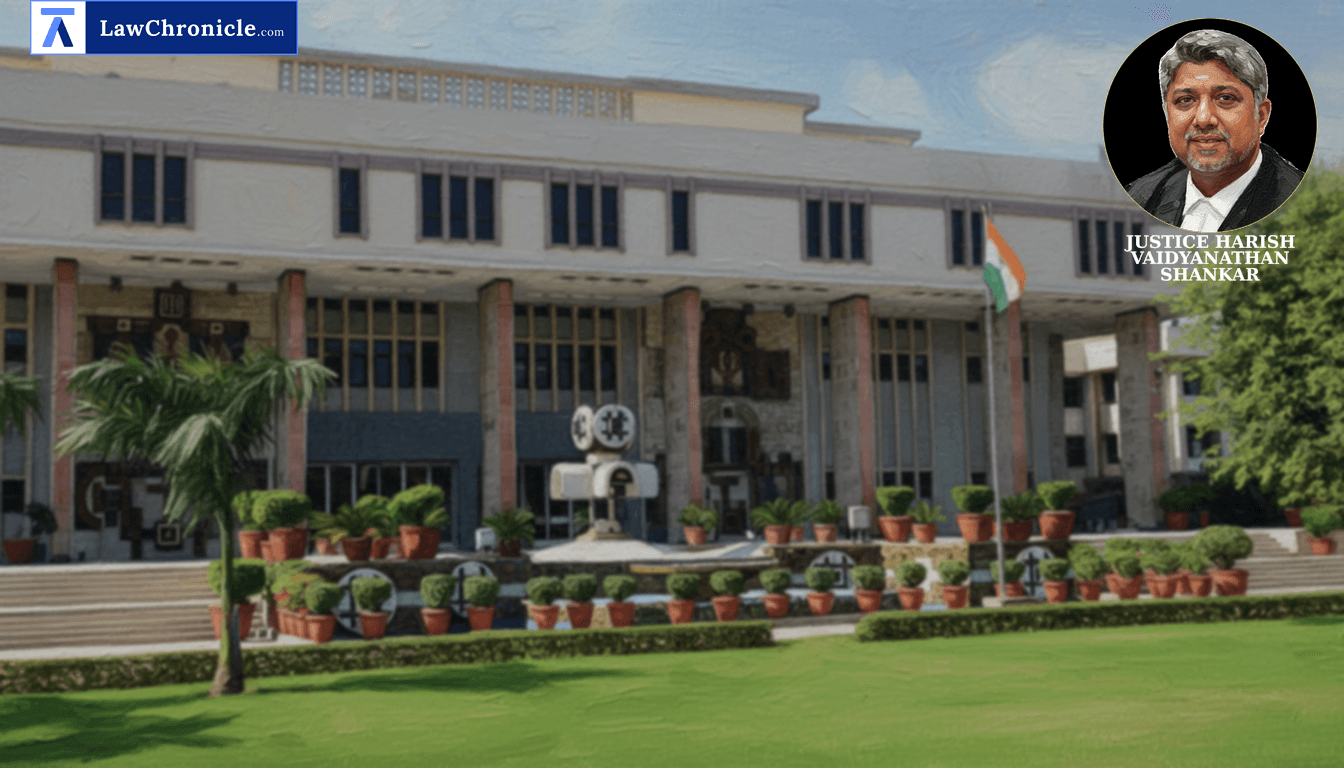
Prioritizing the reproductive autonomy and bodily integrity of a minor rape survivor, the Delhi High Court has ruled that constitutional remedies for medical termination of pregnancy remain accessible even when statutory limits are exceeded. The Court affirmed that forcing a minor to carry an unwanted pregnancy to term constitutes a grave violation of the fundamental right to life and dignity, overriding the procedural constraints of existing medical laws.
In a sensitive hearing presided over by Justice Harish Vaidyanathan Shankar, the Court adjudicated upon a writ petition filed by a 17-year-old minor through her grandmother. The petitioner sought the court's intervention for the medical termination of her 29-week pregnancy, which had resulted from a sexual assault, citing that the gestational period had crossed the 24-week ceiling prescribed under the Medical Termination of Pregnancy Act, 1971.
Key Takeaways
Constitutional Primacy Over Statutes
Constitutional Courts possess the power under Article 226 of the Constitution of India, 1950 to grant relief for pregnancy termination beyond statutory limits to protect the mother's welfare.
Reproductive Autonomy as a Human Right
Reproductive choice is recognized as an integral facet of Article 21 of the Constitution of India, 1950, particularly for minor rape survivors who cannot be compelled to endure the trauma of forced motherhood.
Welfare of the Mother vs. Unborn Child
In cases of unwanted pregnancies resulting from sexual assault, the law prioritizes the dignity and mental health of the pregnant woman over the interests of the foetus.
State Liability and Post-Operative Care
The State is mandated to bear all medical expenses, including post-operative care, and ensure the preservation of DNA evidence for criminal proceedings.
Judicial Rationale and Primacy of Article 21
The Court observed that the question of medical termination cannot be restricted by a rigid 24-week window but must be examined based on individual circumstances, medical fitness, and the survivor's rights. Drawing strength from the precedent in S vs. The Union of India & Ors. ( "2026 INSC 446": 2026 CaseBase(SC) 381), the Court noted that reproductive choice is a fundamental right.
The Court, in its reasoning, observed: "No court ought to compel any woman and more so a minor child, to carry a pregnancy to full term against her express will. Such compulsion would not only disregard her decisional autonomy but could also inflict grave mental, emotional and physical trauma in case she is compelled to give birth. In these circumstances, denying the relief sought would compel the minor to endure irreversible consequences."
The Court has following directions:
"I. The procedure for termination of pregnancy shall be carried out by a team of competent doctors in accordance with the provisions of the MTP Act and the relevant Rules and Regulations and Guidelines prescribed for the aforesaid purpose.
II. Complete record of such procedure, performed upon the minor for the purpose of termination of said pregnancy, shall be maintained by the Medical Board.
III. Respondent No. 2, i.e., Deen Dayal Upadhyay Hospital, New Delhi, is directed to preserve the tissue of the foetus for the purposes of DNA testing, which would be required with reference to the criminal case which stands registered.
IV. Respondent No. 1, i.e., the State shall bear all the expenses necessary for the termination of the pregnancy of the minor in question and her stay at the hospital during such period. The expenditure towards post-operative period shall also be borne by the State.
V. In case the child is born alive, Medical Superintendent, Deen Dayal Upadhyay Hospital, New Delhi, in conjunction with the State Authorities, would ensure that medical support, as well as every possible and feasible assistance is offered to such child, and the child shall be kept in an incubator. Intimation in this regard shall be given to the concerned Child Welfare Committee ('CWC'), and as and when so required, further directions be sought from CWC.
VI. In that case, as per wish of minor and her family, such child be given in adoption as per prescribed procedure.
VII. The identity of the Petitioner/minor survivor shall be strictly protected. The respondent authorities, the hospital, the Medical Board and all other persons associated with the proceeding shall ensure that no particulars capable of identifying her, including her name, address, photographs and medical records, are disclosed, save to the extent authorised or required by law."
Ratio
The lack of a remedy under a specific statute does not bar a constitutional remedy under Article 226 of the Constitution of India, 1950. In cases of unwanted pregnancies, especially involving minors and rape survivors, the Court must prioritize the reproductive autonomy, bodily integrity, and mental welfare of the mother-to-be over statutory gestational limits and the interests of the unborn child.
Background
The petitioner, a 17-year-old girl, conceived following a rape for which an FIR was registered at PS Khyala. By the time the matter reached the High Court, the pregnancy had advanced to 29 weeks. The petitioner and her guardian argued that continuation of the pregnancy would cause irreparable psychological trauma. The Medical Board at Deen Dayal Upadhyay Hospital evaluated the minor and declared her physically and psychologically fit for the procedure.
The Court relied on several precedents including Venkatalakshmi vs. The State of Karnataka & Ors. and Minor R Thr. Mother H vs. State NCT of Delhi & Anr, along with Minor S (Thr. Father B) vs. State & Anr. ( "2025: DHC: 2710": 2024 CaseBase(DEL) 5197), Minor S through her guardian B vs. State Government of NCT of Delhi, and Mrs. X Versus GNCTD & Anr. ( "2022/DHC/005344": 2022 CaseBase(DEL) 1618), where various courts allowed terminations between 24 and 33 weeks. Invoking Section 528 of the Bharatiya Nagarik Suraksha Sanhita, 2023 alongside constitutional powers, the Court disposed of the petition by granting immediate permission for the procedure, ensuring the State covers all costs and preserves DNA evidence for the ongoing criminal trial.
Case Details:
Case No.: W.P.(CRL) 3348/2026
CNR No.: DLHC010512382026
Case Title: Minor V Thr Grand Mother M Vs. The State Of Nct Of Delhi And Anr.
Appearances:
For the Petitioner(s): Mr. Anwesh Madhukar, Advocate (DHCLSC) along with Ms. Prachi Nirwan, Mr. Pranjal Shekhar and Ms. Diptasree Bag, Advocates.
For the Respondent(s): Mr. Amol Sinha, ASC for R-1/State along with SI Maina, PS Khayala.
Source: 2026 CaseBase(DEL) 7497
Similar Articles
 Breaking News


