Exploring the Scope of Celebrity Personality Rights in India
 Copy Link
 Share
Share Save
Save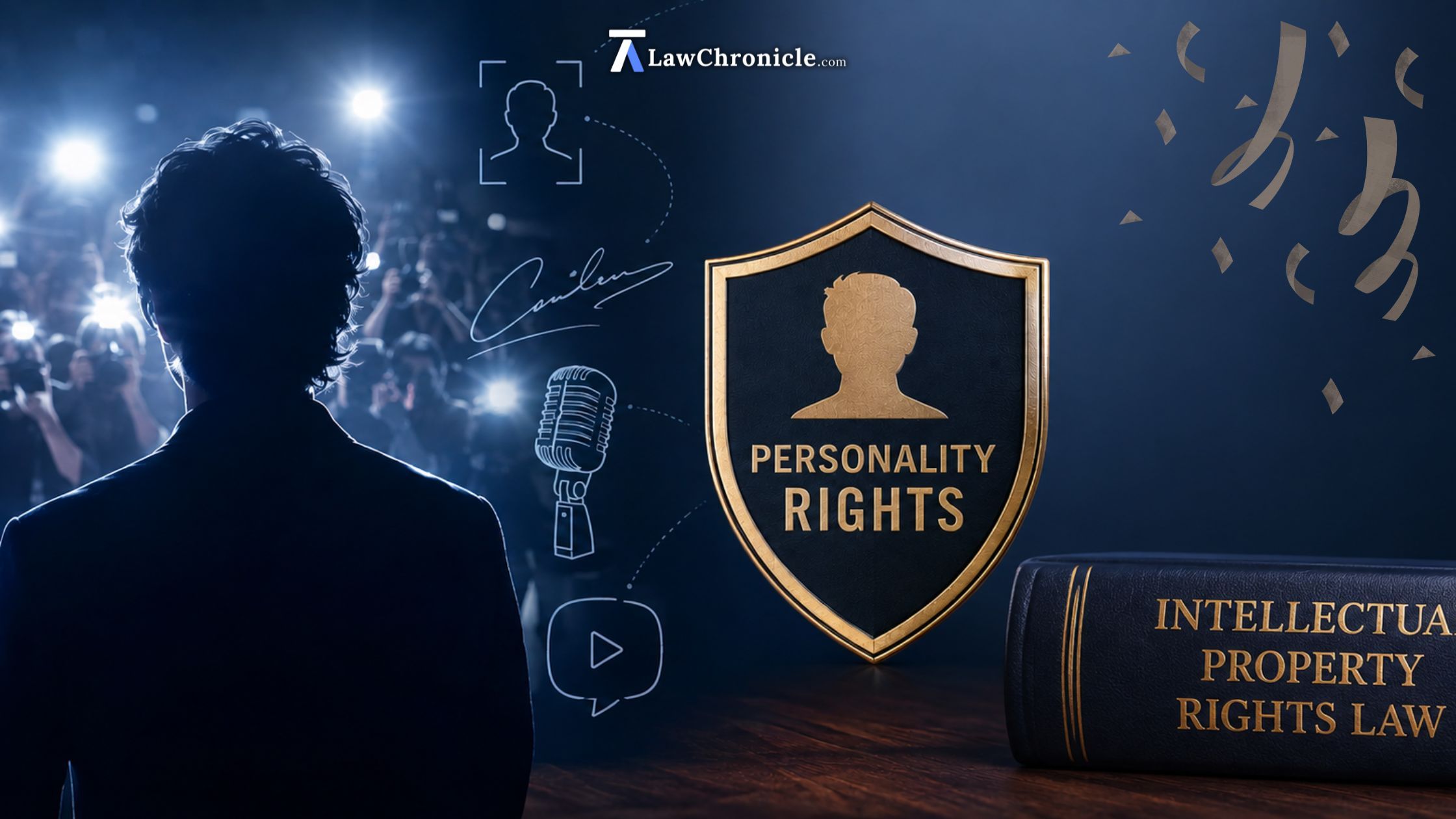
Over the past couple of years, the Delhi High Court and Bombay High Court have passed a series of interim orders recognizing and protecting the personality rights of celebrities in India. From Bollywood superstars to global icons have been protected against unauthorized commercial exploitation of their name, image, voice, and likeness, including through Artificial Intelligence (AI) tools such as deepfakes and voice cloning. The various orders illustrate how celebrity personality rights in India are being interpreted, and what courts look for before granting protection. This article examines the key findings in each of these cases and the common legal threads running through them.
What Are Personality Rights?
Personality rights, as described across Court orders, refer to an individual's right to control the commercial use of their name, likeness, voice, signature, image, and other distinctive attributes of their persona. Courts have founded personality rights of celebrities under Article 21 of the Constitution of India (right to privacy, dignity, and reputation), in the moral rights recognized under Sections 38, 38A and 38B of the Copyright Act, 1957, in common law protections against passing off and misappropriation, and in statutory trade mark rights under the Trade Marks Act, 1999, where a celebrity holds a registered trade mark over their name.
Who All Have Personality Rights in India?
Courts in India have applied a consistent threshold before extending interim protection. The plaintiff had to be shown, prima facie, to be a "well-known face" who has acquired celebrity status through a successful career, and whose name, image, voice, or likeness has, as a result, acquired distinctiveness and commercial value.
Once celebrity status and distinctiveness are established, the orders show that the following attributes have each been treated as protectable elements of a person's personality rights:
- Name (including acronyms, e.g., "AB" for Abhishek Bachchan)
- Image, photograph, and likeness
- Voice
- Signature
- Performances
- Signature dialogues, film titles, and other elements exclusively associated with the individual
Anil Kapoor Personality Rights Case
The trend of celebrity personality rights cases in India somewhat began with Anil Kapoor whose personality rights were recognized by the Delhi High Court vide order dated 20th September, 2023. Through this case, Justice Prathiba M. Singh observed that “Fame can come with its own disadvantages. This case shows that reputation and fame can transcend into damaging various rights of a person including his right to livelihood, right to privacy, right to live with dignity within a social structure, etc. There can be no doubt that free speech in respect of a well-known person is protected in the form of right to information, news, satire, parody that is authentic, and also genuine criticism. However, when the same crosses a line, and results in tarnishment, blackening or jeopardises the individual’s personality, or attributes associated with the said individual, it would be illegal.” Therefore, the Court upheld personality rights of actor Anil Kapoor.
Aishwarya Rai Personality Rights Case
In 2025, Aishwarya Rai Bachchan sought a permanent injunction restraining infringement of copyright, performer's rights, misappropriation of personality/publicity rights, passing off, and unfair competition. Another order by Justice Tejas Karia recorded her standing as "one of the most celebrated and internationally recognized personalities in the Indian entertainment industry," a former Miss World, and a global brand ambassador.
The infringing activities identified in this case included: a website falsely presenting itself as her official site and distributing unauthorised photographs and wallpapers; an organisation using her name and photograph on its letterhead, describing her as its "Chairman" without authorisation; merchandise bearing her name and image sold on various platforms; an AI chatbot generating "sexually-coloured remarks" while impersonating her; and YouTube channels featuring AI-generated deepfake videos of her, including content that superimposed her face onto other bodies. The Court articulated two distinct facets of the harm in such cases: first, violation of the right to protect one's personality attributes from unauthorised commercial exploitation, and second, violation of the right to privacy, which in turn undermines the right to live with dignity. Delhi High Court extended protection for Aishwarya Rai’s personality rights.
How Were Abhishek Bachchan's Personality Rights Protected?
Abhishek Bachchan sought a permanent injunction against infringement of trade marks, copyright, performer's rights, misappropriation of personality/publicity rights, unfair competition, and passing off. Justice Tejas Karia recorded submissions that the plaintiff, as a recognised actor, producer, and entrepreneur, is "extremely cautious about which brands and/or products he endorses," and that unauthorised use of his persona could conflict with his existing endorsement contracts. Delhi High Court Court held that unauthorised commercial exploitation of personality rights "directly impacts the economic interests as well as the dignity of the concerned individual," and that depicting a person in misleading, derogatory, or inappropriate AI-generated settings "intrudes upon the Plaintiff's right to privacy."
What Are Hrithik Roshan's Personality Rights?
Actor Hrithik Roshan sought a permanent injunction restraining misappropriation of his personality rights, publicity rights, infringement of copyright, and performer's rights. The Court held that his "name, voice, image, photograph, or likeness" are protectable elements of his personality rights, and that he is entitled to protection "against impersonation, false, obscene, morphed and distorted content created with the use of AI or otherwise." Since Meta submitted that certain URLs were fan-page profiles rather than infringing posts, the Court limited the takedown direction to the specific offending posts rather than the entire profile, observing that removing the whole page "may be a disproportionate direction."
Salman Khan Personality Rights Case
Last year, Salman Khan's suit was filed before the Delhi High Court seeking a permanent injunction restraining misappropriation of his personality and publicity rights, along with infringement of trade mark, copyright, and performer's rights, and passing off. The plaint named 29 defendants, including social media platforms, app stores, e-commerce marketplaces, domain name registrars, and websites offering AI-based image, voice, and "chat" tools. In December 2025, the Court declared actor Salman Khan a "well-known face in India" who has "acquired a celebrity status" considering his trade mark "Being Human" and fan following across social media.
In July 2026, another Bench dealt with application against the teaser of film titled "Kala Hiran – The Battle For Legacy," based on the blackbuck poaching case involving Salman Khan. The High Court noted that the teaser was set inside a courtroom, referred to the accused as "Ayan Khan" and "this Dabangg," referenced the film "Sikandar," and used the specific village name from the actual proceedings, which are pending before the Supreme Court and the Rajasthan High Court. The Delhi High Court restrained the proposed defendants from exhibiting, streaming, or disseminating the teaser and related posts, and directed takedown of the identified URLs within 24 hours, with Meta, X, and Google directed to act if the uploaders did not comply.
Asha Bhosle Personality Rights
In October 2025, the Bombay High Court upheld personality rights for celebrated Singer Asha Bhosle. The Bombay High Court in Asha Bhosle vs Mayk Inc (2025) decided on a commercial Intellectual Property Suit. The interim relief by Bombay High Court affirmed that a pre-eminent personality is entitled to protection of all facets of her identity: her name, voice, image, likeness, and persona. This restricts any kind of unauthorized commercial exploitation, including by AI technologies. After Asha Bhosle's death, her legal heirs would have a clear statutory cause of action under Section 38B to restrain any AI voice cloning, provided the 50-year term of performers' rights has not expired.
Common Threads Across Personality Rights of Celebrities in India
Reading these orders together, certain recurring elements emerge in how the Courts approached the celebrity personality rights in India:
- Establishing Celebrity Status: In each case, the Court examined the plaintiff's career achievements, awards, brand associations, and social media following to establish, at the prima facie stage, that they are a well-known public figure whose attributes carry commercial value.
- Identifying Protected Attributes: Name, image, likeness, voice, signature, and in the case of actors, specific film titles, characters, or dialogues associated with them have all been treated as protectable elements.
- Categorizing Infringement: The orders consistently grouped alleged violations into recognizable categories: sale of unauthorized merchandise, AI-generated or morphed images and videos, impersonation on social media, fake news, and AI voice-cloning or chatbot misuse.
- AI-Specific Relief: Each injunction expressly extended to misuse "through the use of any technology including but not limited to Artificial Intelligence, Generative Artificial Intelligence, Machine Learning, Deepfakes, Face Morphing," reflecting the courts' focus on AI-enabled infringement.
- Balancing Scope of Takedowns: Where intermediaries raised concerns that a blanket takedown (such as removing an entire fan-page profile) would be disproportionate, Courts limited relief to the specific infringing content identified.
- Intermediary Compliance Mechanism: Defendants such as domain registrars, e-commerce platforms, and social media companies were directed to take down specific URLs within short timelines (commonly 72 hours) and, in several cases, to disclose Basic Subscriber Information of the persons responsible for the infringing content.
These orders remain interim in nature, and indicate a consistent judicial approach toward celebrity personality rights in India. Courts require proof of established celebrity status and distinctiveness, they treat AI-enabled impersonation, deepfakes, and unauthorized merchandising as falling within the scope of personality rights violations, and they calibrate takedown directions to the specific infringing content rather than granting open-ended relief.
Also Read: Delhi HC: Public Figures Must Not Be Thin-Skinned Towards Satirical Criticism
 Breaking News