


High Court Allows Amendment To Seek Mandatory Injunction Subject To Limitation Issue; Trial Court Directed To Frame Issue
 Copy Link
 Share
 Save
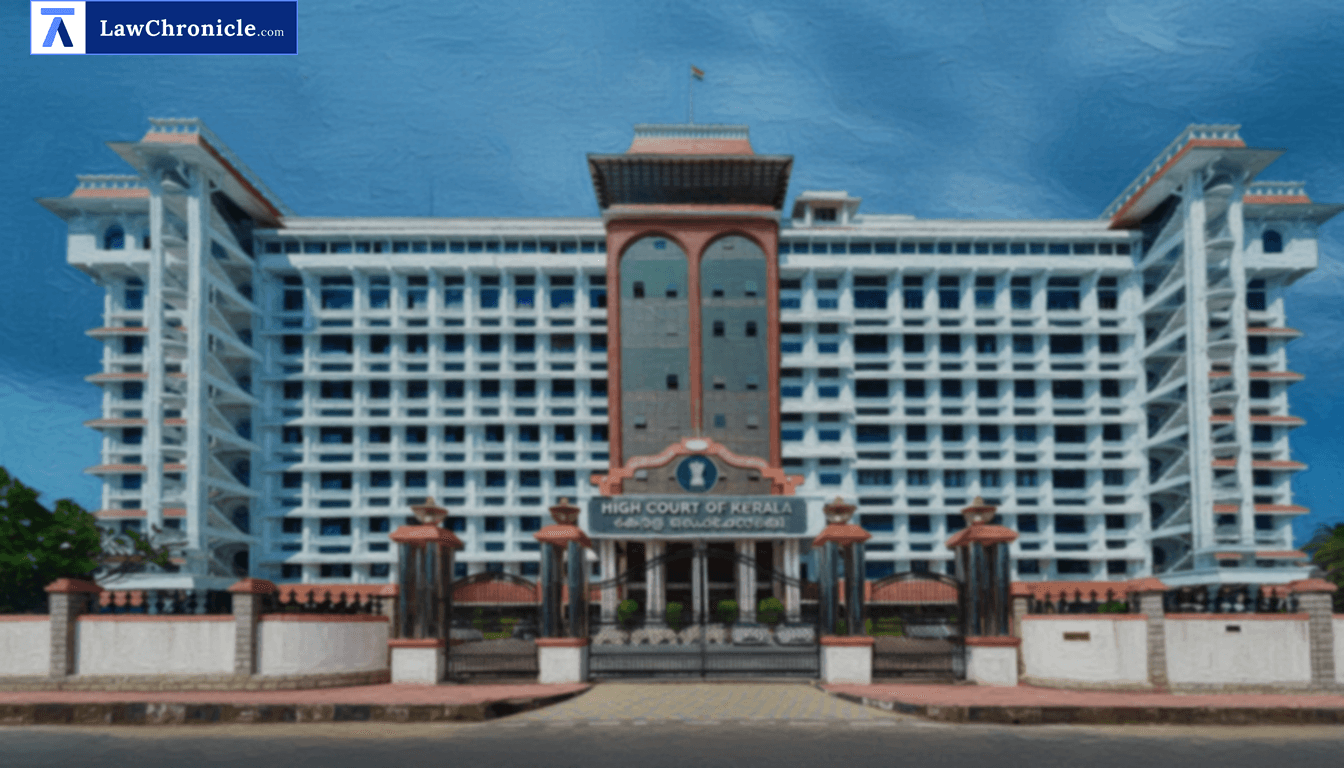
A single‑judge bench of Justice Murali Purushothaman heard an original petition challenging an order of the Munsiff Court, Payyannur, which had refused to permit an amendment to a plaint in a suit for permanent prohibitory injunction. The petition raised the question whether the plaintiff could add a prayer for a mandatory injunction to remove laterite stones placed across the disputed property and whether that relief was barred by limitation under Article 137 of the Limitation Act, 1963.
The High Court set aside the Munsiff’s order to the extent it disallowed the proposed amendment and permitted the plaintiff to amend the plaint to include a relief for mandatory injunction, subject to the respondent’s plea of limitation. The Court observed that the placing of laterite stones shortly after institution of the suit was alleged to be “a continuing wrong” and therefore the aspect of delay was arguable. The Court, in its reasoning, observed: “The case of the petitioner is that placing of the laterite stones by the respondent was in violation of temporary injunction and therefore, a continuing wrong and well within the period of limitation. The aspect of delay is arguable. The right of the petitioner to argue on the aspect of delay at the stage of trial ought not to have been foreclosed by the learned Munsiff.” The judge directed the learned Munsiff to frame an issue on limitation and decide it in accordance with law and further directed that, since the suit was filed in 2011, the trial court should endeavour to dispose of the suit as expeditiously as possible.
Background
The plaintiff, Kerala Khadi & Village Industries Board, filed O.S. No.157 of 2011 in the Munsiff Court, Payyannur, seeking a permanent prohibitory injunction restraining the defendant from trespassing on the plaint schedule property, creating boundaries or interfering with the plaintiff’s peaceful possession. The Munsiff granted a temporary injunction and appointed an Advocate Commissioner who submitted a report and plan. The plaintiff alleged that after institution of the suit but prior to the Commissioner’s inspection the defendant placed a row of laterite stones across the suit property (shown as BE line in the commission report and plan). On 17.09.2015 the plaintiff moved under Order VI Rule 17 CPC (I.A. No.1773 of 2015) to amend the plaint to add a mandatory injunction directing removal of those stones and to modify the plaint schedule.
The defendant contested the amendment, averring that the boundary was in existence before suit and that the proposed mandatory relief was barred by limitation. The learned Munsiff allowed amendment of the schedule but rejected the prayer for mandatory injunction on the ground that the application was filed beyond three years and was therefore barred by Article 137. The High Court considered Supreme Court precedents including Sampath Kumar v. Ayyakannu, Ragu Thilak D. John v. S. Rayappan and Life Insurance Corporation v. Sanjeev Builders, noting established principles that pre‑trial amendments should be allowed more liberally and that delay alone was not a ground to refuse amendment where the question of limitation was arguable. The Court quoted Ragu Thilak: "The amendment sought could not be declined. The dominant purpose of allowing the amendment is to minimise the litigation. ... The plea of limitation being disputed could be made a subject matter of the issue after allowing the amendment prayed."
Result: Ext.P8 order was set aside insofar as it disallowed the mandatory injunction amendment; the amendment was allowed subject to the respondent’s plea of limitation, the Munsiff was directed to frame an issue on limitation and decide it in accordance with law, and the suit was to be disposed of expeditiously. The original petition was disposed.
Case No.: OP(C) No. 2699 of 2015 Case Title: Kerala Khadi & Village Industries Board v. Paleri Veettil Unnikrishnan Appearances: For the Petitioner(s): Sri. Mahesh V. Ramakrishnan For the Respondent(s): Shri. K.V. Sohan; Smt. Sreeja Sohan K.
Similar Articles
 Breaking News


