


High Court holds apprentices have no automatic right to absorption; employer must only formulate policy
 Copy Link
 Share
 Save

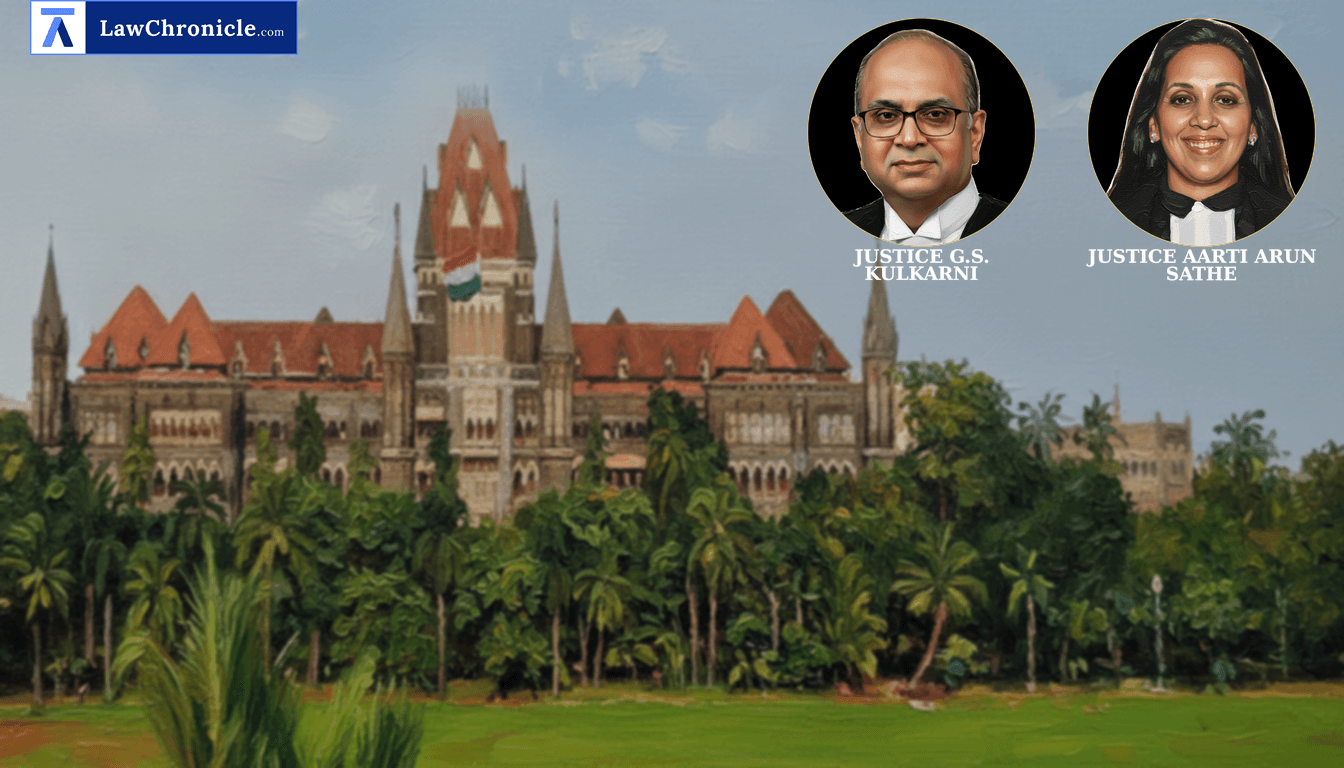
A division bench of Justices G. S. Kulkarni and Aarti Sathe of the Bombay High Court heard a petition by 71 engineering graduates who had been engaged by Hindustan Petroleum Corporation Ltd. (HPCL) as Graduate Apprentice Trainees and challenged HPCL’s refusal to absorb them into regular Grade “A” officer posts. The petition, filed under Article 226, sought mandamus directing HPCL to frame a recruitment/absorption policy under Section 22(1) of the Apprentices Act, 1961 and to appoint the petitioners to regular posts on completion of their one‑year apprenticeship.
The Court dismissed the petition and held that neither the Apprentices Act nor the contract of apprenticeship created a statutory right to automatic absorption. The bench observed that Section 22(1) required every employer only to “formulate its own policy for recruiting any apprentice who has completed the period of apprenticeship training in his establishment” and that the Schedule VI terms of contract expressly provided that “It shall not be obligatory on the part of the employer to offer an employment to the apprentice on completion of period of his apprenticeship training in his establishment.” The Court, in its reasoning, observed: “Thus, the petitioners’ contention that there was any legal right or entitlement for the petitioners to be absorbed is totally untenable, considering the specific provisions of the Apprentices Act as also the terms and conditions of their appointment as apprentice.” The bench further noted that HPCL had, after litigation began, framed a policy (1 June 2018/4 May 2018 in affidavit) providing limited relaxations — age concession up to the period of apprenticeship and an additional 5% marks in GATE for apprentices — and that mere completion of apprenticeship could not displace the established selection criteria for permanent posts.
Background The petitioners were selected in HPCL’s 2016 recruitment exercise for engagement as Graduate Apprentice Trainees (Civil/Mechanical). The advertisement and contract contemplated one year of apprenticeship, a monthly stipend (advertised at Rs.25,000), and expressly stated that HPCL “does not give any commitment on providing permanent/temporary employment to Apprentices on successful completion of Apprenticeship period.” The petitioners contended that (a) they had a legitimate expectation and statutory right under Section 22(1) of the Apprentices Act to be considered for absorption into Grade “A” posts after completing training; (b) HPCL had not framed any policy at the relevant time and had engaged apprentices to meet staffing needs; and (c) comparable PSUs (notably IOCL) had absorbed apprentices into regular posts.
HPCL replied that the Apprentices Act and the written contract (Schedule VI) governed the relationship; the contract expressly disavowed any obligation to offer employment and allowed the employer to frame a recruitment policy if and when recruitment occurred. HPCL detailed its selection process for 2016 (CBT, interview, medical), noted it had conducted two days’ classroom training followed by on‑job training, and explained that statutory remedies and dispute resolution under the Act were available. HPCL also placed on record that it subsequently framed a policy providing age relaxation equivalent to apprenticeship duration and a 5% benefit in GATE scores for ex‑apprentices.
The Court examined the Apprentices Act, its amendments and objects, and relevant provisions including Sections 2 (definitions), 4–7 (contract and period), 18 (apprentices are trainees and not workers), 20 (settlement of disputes) and 22 (offer and acceptance of employment). The bench analysed earlier authorities relied upon by petitioners and found them distinguishable on facts (contracts there contained explicit absorption obligations or different administrative contexts). The Court held that the Act’s purpose was training and regulation, not guaranteeing regular employment, and that the petitioners’ case rested on the proviso to Schedule VI which did not create a retroactive right to mandatory absorption. The Court clarified that framing a policy did not itself confer automatic appointment; selection processes and merit remained applicable. The writ was dismissed with liberty to the petitioners to participate in HPCL’s or other recruitments. No costs were imposed.
Case Details: Case No.: 2026:BHC-AS:11566-DB Case Title: Prajwalit Tularam Gaikwad & Ors. v. Hindustan Petroleum Corporation Ltd. & Ors. Appearances: For the Petitioner(s): Mr. Rakesh Upadhyay a/w Mr. Subhash V. Gutte, Ms. Aarti U. Mishra, Ms. Sayali Gutte, Mr. Harsh Som, Mr. Vishal Chauhan, Mr. Saurabh S. Gutte For the Respondent(s): Mr. Lancy D’souza a/w Deepika Agarwal i/b V.M. Parkar (for respondent no.1); Mr. N.R. Prajapati a/w Mr. Anil Yadav (for respondent nos.2–4, UOI)
Order reserved 4 February 2026; pronounced 9 March 2026. Coram: G. S. Kulkarni & Aarti Sathe, JJ.
Similar Articles

 Breaking News


