


Himachal Pradesh HC Upholds Acquittal In Caste Abuse Case Citing Lack of Corroboration
 Copy Link
 Share
 Save
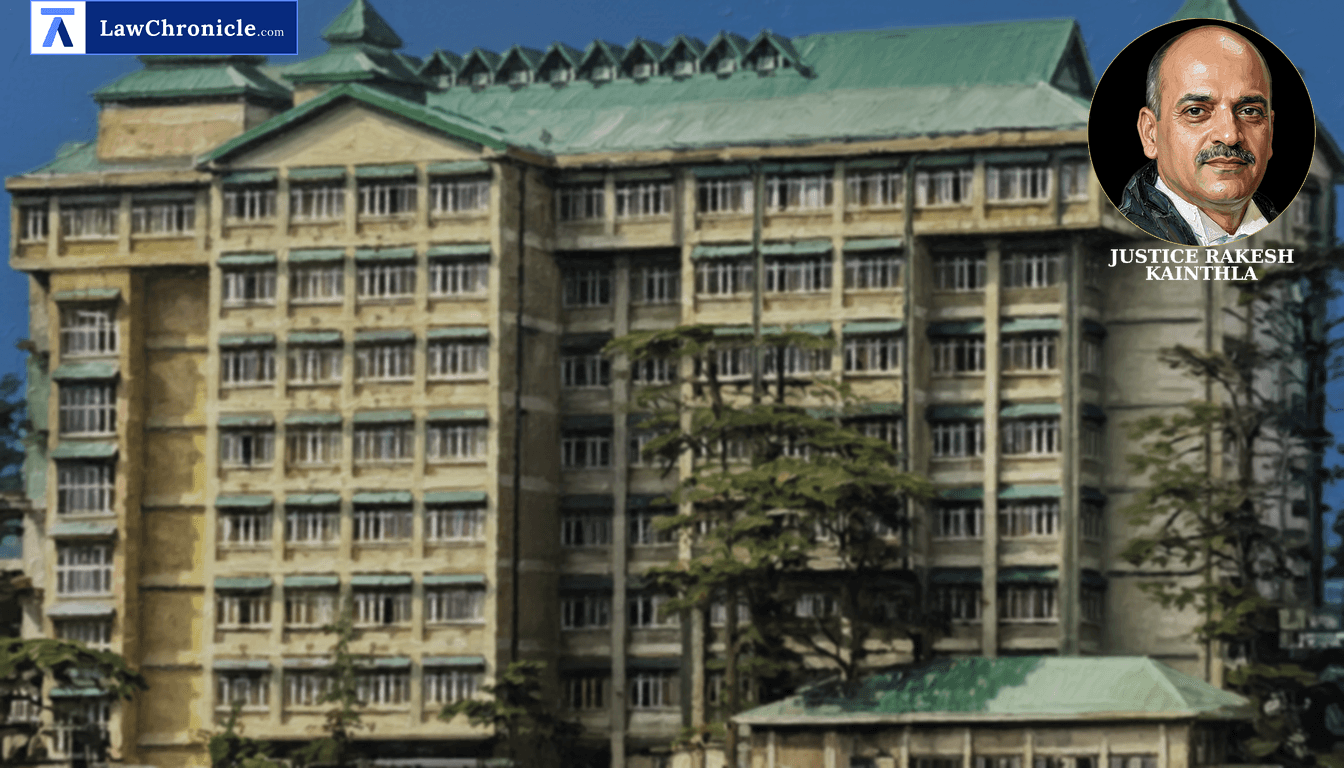
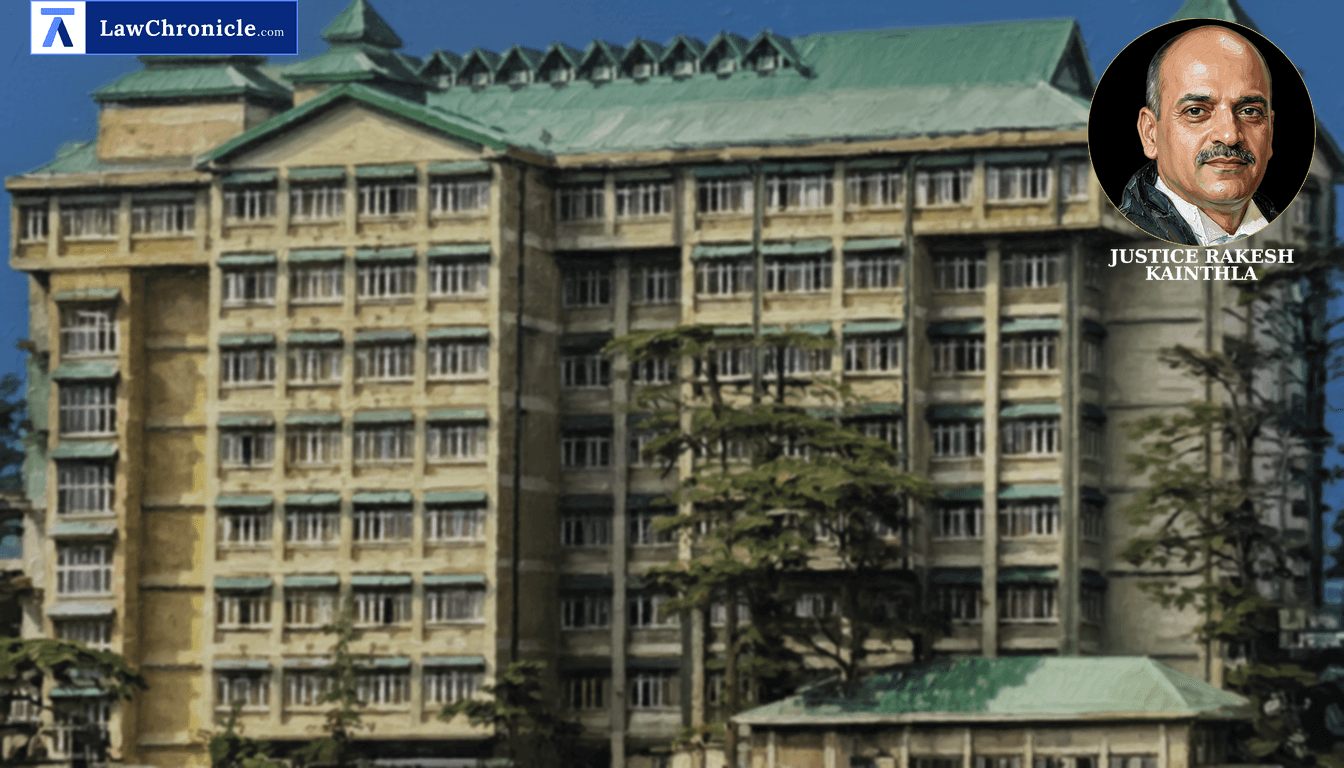
The High Court of Himachal Pradesh has reinforced the high threshold for interfering with acquittal orders, ruling that the presumption of innocence is not merely a technicality but a substantive safeguard that strengthens once a trial court clears the accused. In a significant blow to the prosecution’s appeal, the Court held that where a criminal complaint stems from a pre-existing civil dispute over property, the absence of independent witness corroboration regarding caste-based slurs is fatal to the case.
Justice Rakesh Kainthla presided over the appeal filed by the State against a 2013 judgment of the Judicial Magistrate First Class, Kasauli, which had acquitted an individual of charges under Section 7 of the Protection of Civil Rights Act, 1955 and Section 506 of the Indian Penal Code. The State contended that the trial court ignored the testimonies of the informant and her husband, but the High Court found the prosecution's narrative lacked the necessary independent evidentiary support to overturn a verdict of innocence.
Key Takeaways
Presumption of Innocence Reinforced
An order of acquittal strengthens the initial presumption of innocence, requiring the appellate court to find the lower court’s view 'impossible' or 'perverse' before interfering.
Corroboration Essential in Property Disputes
In cases where parties are embroiled in land or civil disputes, the court must be cautious of the 'motive to depose' and should look for independent witnesses to verify claims of caste-based abuse.
Two-View Rule Applied
If two reasonable views are possible based on the evidence, the appellate court must adopt the view favourable to the accused, even if it finds the alternate view plausible.
The Requirement of Independent Corroboration
The Court observed that while the informant (PW-1) and her husband (PW-2) alleged they were abused in the name of their caste, multiple independent witnesses produced by the prosecution did not support this version. Witnesses including a Junior Engineer and a Work Supervisor from the Municipal Committee admitted to seeing a quarrel but explicitly denied that any caste-based abuses were hurled.
The Court, in its reasoning, observed: "The independent witnesses have not supported the prosecution version. The informant party had a motive to depose against the accused. Therefore, the learned Trial Court had taken a reasonable view while holding that the prosecution had not proved its case beyond reasonable doubt. This Court will not interfere with the reasonable view of the learned Trial Court even if another view is possible."
The Court has following directions:
"In view of the provisions of Section 437-A of the Code of Criminal Procedure (Section 481 of Bhartiya Nagarik Suraksha Sanhita, 2023) the respondent/accused is directed to furnish bail bonds in the sum of ₹25,000/- with one surety in the like amount to the satisfaction of the learned Trial Court within four weeks, which shall be effective for six months with stipulation that in the event of Special Leave Petition being filed against this judgment, or on grant of the leave, the respondent/accused on receipt of notice thereof, shall appear before the Hon’ble Supreme Court."
Ratio
An appellate court’s power to review evidence in an appeal against acquittal is governed by the principle that interference is warranted only when the trial court's finding is manifestly illegal, perverse, or wholly unsustainable. If the trial court adopts a reasonable view based on the lack of independent corroboration in a dispute characterized by prior animosity, such a finding cannot be disturbed merely because an alternative view of the evidence might exist.
Background
The dispute arose between neighbours in Parwanoo regarding the maintenance of a 'green area' and a brick wall near a water drain. The informant alleged that the accused obstructed her egress, tied a barking dog near her bedroom, and abused her family using caste-based slurs on two specific dates in 2005. Following an investigation by the police under Code of Criminal Procedure, a challan was filed.
During the trial, the accused denied all charges under Section 313 of the Code of Criminal Procedure. The trial court noted significant contradictions, finding that the informant party was likely the aggressor who had damaged a wall maintained by the accused. Relying on the precedent in Sanjay Kumar v. State of Bihar ( "2026 SCC OnLine SC 1373": 2026 CaseBase(SC) 681), the High Court affirmed that the 'golden thread' of criminal jurisprudence mandates giving the benefit of doubt to the accused. The High Court ultimately dismissed the State's appeal, finding no compelling reason to set aside the acquittal.
Case Details:
Case No.: Cr. Appeal No. 47 of 2014
Neutral Citation: 2026:HHC:39635
Case Title: State of H.P. Versus Santosh
Appearances:
For the Petitioner(s): Mr Ajit Sharma, Deputy Advocate General.
For the Respondent(s): Mr Ajay Kumar, Senior Advocate, assisted by Mr Vinay Thakur, Advocate.
Source: 2026 CaseBase(HP) 8026
Similar Articles

 Breaking News


