


Leave to Appeal Mandatory for Complainants Challenging Acquittal in NI Act Cases: Himachal Pradesh HC
 Copy Link
 Share
 Save
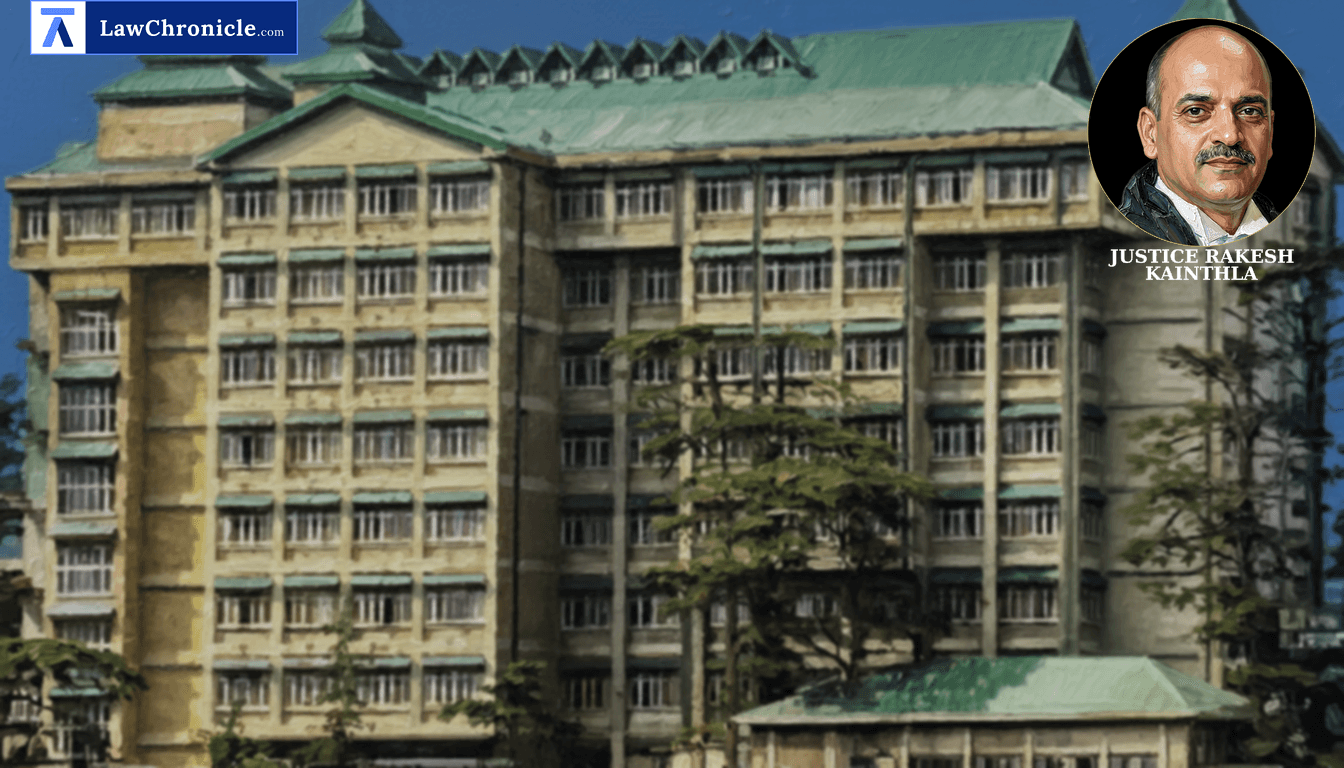
Complainants seeking to challenge an acquittal under Section 138 of the Negotiable Instruments Act before the High Court must strictly obtain special leave to appeal, or face summary dismissal of their petitions. The Himachal Pradesh High Court has reinforced that while victims possess a statutory right to appeal, the procedural rigour of seeking the Court's permission remains a non-negotiable prerequisite when approaching the High Court under the new criminal code.
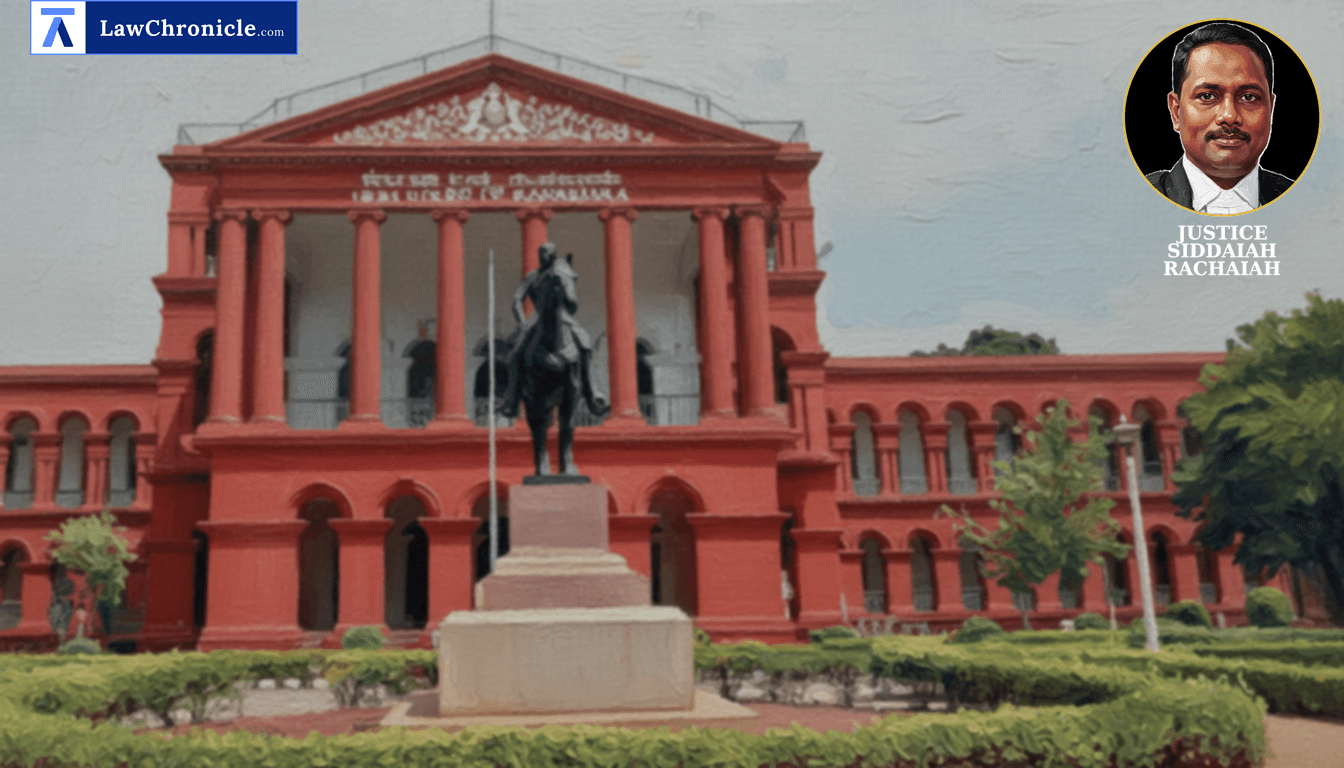
Justice Rakesh Kainthla presided over the matter, which arose from an appeal filed against a judgment of the Additional Chief Judicial Magistrate, Kangra. The Court was tasked with determining the maintainability of an appeal filed under Section 419 of the Bharatiya Nagarik Suraksha Sanhita (corresponding to Section 378 of the CrPC) in the absence of an application for leave to appeal.
Key Takeaways
Mandatory Special Leave
Complainants filing appeals against acquittal in the High Court must secure special leave under Section 419(4) of Bharatiya Nagarik Suraksha Sanhita, failing which the appeal is incompetent.
Dual Remedy for Victims
A victim-complainant has the choice to appeal before the Sessions Court under the proviso to Section 413 of Bharatiya Nagarik Suraksha Sanhita (where no leave is required) or before the High Court under Section 419.
Procedural Hierarchy Maintained
Appeals against orders of acquittal passed by a Magistrate ordinarily lie to the Sessions Court if the victim invokes the proviso to Section 372 of CrPC (now Section 413 of Bharatiya Nagarik Suraksha Sanhita).
Court’s Rationale on Leave to Appeal
The Court observed that the right of a complainant to file an appeal is circumscribed by specific statutory conditions. While relying on the precedent set in M/s Celestium Financial vs. A. Gnanasekaran, the Court clarified that if a victim chooses to proceed under the specific provisions governing High Court appeals, the requirement for special leave is mandatory.
The Court, in its reasoning, observed: "...if a victim who is a complainant, proceeds under Section 378, the necessity of seeking special leave to appeal would arise but if a victim whether he is a complainant or not, files an appeal in terms of proviso to Section 372, then the mandate of seeking special leave to appeal would not arise."
Furthermore, the Court emphasized the distinction between the forums of appeal, noting that under the Bharatiya Nagarik Suraksha Sanhita, an appeal against an acquittal by a Magistrate should ideally be preferred before the Sessions Court. Quoting Subhas Chandra Sarkar vs. The State of West Bengal and Ors. ( "MANU/SC/1084/2026": 2026 CaseBase(SC) 8087), the Court noted that an order of acquittal passed by a Magistrate has to be appealed before the Court in which a conviction can be appealed, which is the Sessions Court.
The Court has the following directions:
"The present appeal lies before this Court under Section 419 of the BNSS after obtaining special leave to appeal. In the present case, leave to appeal has not been sought; hence, the present appeal is not maintainable and is dismissed as such. The present appeal stands disposed of and so are the pending miscellaneous application(s), if any."
Ratio
An appeal against an order of acquittal filed by a complainant before the High Court under Section 419 of the Bharatiya Nagarik Suraksha Sanhita (corresponding to Section 378 of CrPC) is not maintainable unless the complainant applies for and is granted special leave to appeal by the High Court. If the complainant is a victim, they may alternatively appeal to the Sessions Court under the proviso to Section 413 of Bharatiya Nagarik Suraksha Sanhita without such leave.
Background
The appellant, Rohit Chaudhary, had initiated a complaint against Shyam Lal under Section 138 of the Negotiable Instruments Act. On March 9, 2026, the Trial Court dismissed the complaint and acquitted the accused. Aggrieved by this, the appellant moved the High Court under Section 419 of the Bharatiya Nagarik Suraksha Sanhita.
The respondent raised a preliminary objection, arguing that the appeal was incompetent because the appellant had failed to file an application for 'leave to appeal'. The appellant's counsel contended that as a 'victim', the complainant had a vested right to appeal without seeking leave, placing reliance on M/s Celestium Financial vs. A. Gnanasekaran and Harpreet Singh Arora vs. Bimla Devi. However, the Court distinguished these precedents, noting that in Harpreet Singh Arora vs. Bimla Devi, leave had actually been sought and granted, whereas the present case lacked such an application entirely. Consequently, the High Court dismissed the appeal as not maintainable.
Case Details:
Case No.: Cr. Appeal No. 51 of 2026
Neutral Citation: 2026:HHC:46975
Case Title: Rohit Chaudhary vs. Shyam Lal
Appearances:
For the Petitioner(s): Mr Dheeraj K. Verma, Advocate.
For the Respondent(s): Mr Goldy Kumar, Advocate.
Source: 2026 CaseBase(HP) 11143
Similar Articles
 Breaking News


