


Madhya Pradesh High Court Permits MTP for 14-Year-Old Victim Beyond 26 Weeks
 Copy Link
 Share
 Save
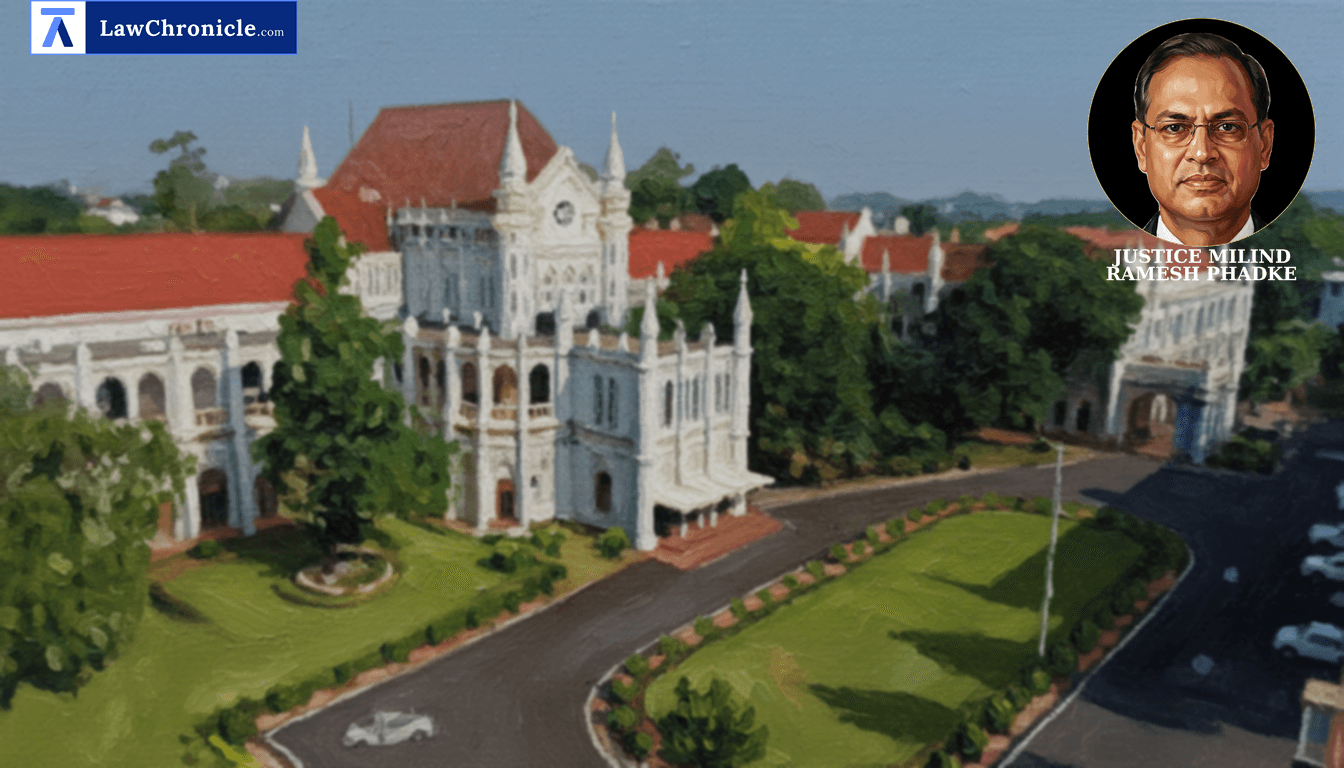
Empowering minor victims of sexual assault to reclaim their future, the Madhya Pradesh High Court has invoked its extraordinary jurisdiction to authorize the medical termination of a 26-week pregnancy, ruling that mental agony and physical well-being must override procedural gestational limits. The decision sets a vital precedent for Trial Courts, mandating the proactive attachment of comprehensive medical reports in pregnancy termination cases to prevent life-altering judicial delays.
A Single Judge bench of Justice Milind Ramesh Phadke adjudicated upon a reference initiated by a Trial Court regarding the medical termination of pregnancy of a 14-year-old girl. The prosecutrix, a victim of sexual assault, was found to be carrying a pregnancy of 26 weeks and 1 day, necessitating judicial intervention under Medical Termination of Pregnancy Act, 1971 due to the gestational age exceeding the statutory limit for routine termination.
Key Takeaways
Constitutional Primacy Over Statutory Limits
Confirmed that the High Court can exercise jurisdiction under Constitution of India, 1950 to permit termination of pregnancy beyond the 24-week threshold defined in the Medical Termination Of Pregnancy Act, 1971.
Mandatory Medical Reporting
Issued general directions to all Trial Courts to ensure that medical reports addressing feasibility and safety are invariably annexed when forwarding records to superior courts.
Judicial Immunity for Doctors
Granted explicit immunity from liability to the medical team performing the procedure to ensure clinical decisions are made without fear of litigation.
Time-Sensitivity as a Legal Right
Recognized that even a single day's delay in MTP cases can have "serious and irreversible consequences," requiring courts to accord these matters utmost priority.
Court Observations on Mental Agony and Safety
The Court noted that the prosecutrix was a victim of offences under the Protection of Children from Sexual Offences Act, 2012 and the Bharatiya Nyaya Sanhita, 2023. Initially, the Medical Board provided an ambiguous report; however, a subsequent clarification from Kamlaraja Hospital and G.R. Medical College, Gwalior, confirmed that the procedure was feasible subject to blood availability.
The Court, in its reasoning, observed: "The Court cannot lose sight of the age of the minor, the circumstances in which the pregnancy has occurred, the trauma suffered by her and the mental agony which she is presently facing. The Court also has to consider the effect of continuation of such pregnancy which may have upon the physical and mental well-being of the minor and her future. At the same time, it has to carefully consider the medical opinion given by the Medical Board."
Referring to the legal framework, the Court highlighted the statutory presumption under Section 3 of the Medical Termination Of Pregnancy Act, 1971 regarding mental anguish caused by rape-related pregnancies. It relied on the principles discussed in In Reference (Suo Motu) Vs. The State of Madhya Pradesh and Others ( "W.P. No.5184/2025, decided on 20.02.2025": 2025 CaseBase(MP) 50916) to justify the intervention beyond 24 weeks.
The Court has following directions:
"(i) The Dean/Medical Superintendent of the Kamlaraja Hospital and G.R. Medical College, Gwalior, shall constitute a team of senior and experienced doctors, including doctors from the Departments of Obstetrics and Gynaecology, Anaesthesia, Medicine and Paediatrics. The Medical Team shall undertake the procedure of medical termination of pregnancy on 7th November 2026 at 4:00 PM, subject to the minor being found medically fit for the procedure immediately before it is undertaken. Before the procedure, the Medical Team shall again examine the minor, particularly her haemoglobin level, and shall take all necessary treatment and precautions to reduce the risk of excessive bleeding and other complications.
(ii) The procedure shall be undertaken at a hospital having necessary facilities for emergency treatment, blood transfusion, anaesthesia, intensive care and neonatal care, keeping in view the gestational age of about 26 weeks and 1 day. The minor and her parents/natural guardian shall be properly informed and counselled regarding the procedure, its possible risks and complications, including the increased risk due to anaemia and the possibility of complications to the child, if born alive. Necessary consent shall be obtained in accordance with law and applicable medical protocol.
(iii) The Medical Team shall take all necessary steps for the safety and well-being of the minor during and after the procedure and, in case of any medical complication, shall provide immediate and appropriate treatment in accordance with accepted medical practice. If the child is born alive during or after the procedure, the Medical Team shall provide necessary medical and neonatal care in accordance with law and accepted medical practice. It is further directed that, in terms of the law laid down by the Division Bench of the Bombay High Court in Shaikh Ayesha Khatoon Vs. Union of India, reported in 2018 SCC OnLine Bom 11, the parents of the minor shall be duly sensitized by the Committee/Medical Board regarding the risks and complications involved in the procedure. It is further made clear that the doctors who have given their opinions in the matter shall have immunity from any liability in the event of any litigation arising out of the said procedure.
(iv) The Medical Team shall preserve such medical records, samples and other material as may be required for the purpose of criminal investigation or trial, including DNA sampling and preservation, if required by the Investigating Officer or the competent Criminal Court, in accordance with law. The identity, confidentiality and dignity of the minor shall be strictly maintained. After completion of the procedure, the Medical Team shall prepare a medical report regarding the procedure and the condition of the minor and shall submit a confidential compliance report to the concerned Court/Registry. The procedure shall be carried out strictly in accordance with the opinion of the Medical Board and accepted medical practice, and all necessary precautions shall be taken to protect the life and health of the minor.
(v) The Registry shall communicate a copy of this order forthwith to the Dean/Medical Superintendent, Kamlaraja Hospital and G.R. Medical College, Gwalior, the Chief Medical and Health Officer, District Gwalior, the Child Welfare Committee, Shivpuri and the learned Government Advocate for immediate compliance. A copy of this order shall also be forwarded to the concerned Medical Board/Medical Team for necessary action. The identity of the minor shall be kept confidential in all Court records, communications and proceedings, in accordance with law."
Ratio
In cases involving minor victims of sexual assault where the gestational age exceeds the statutory limits of the Medical Termination Of Pregnancy Act, 1971, the High Court may exercise its extraordinary jurisdiction under Constitution of India, 1950 to authorize medical termination if the procedure is medically feasible and essential to prevent grave injury to the victim's physical and mental health. Furthermore, Trial Courts are under a mandatory obligation to ensure that specialized medical reports accompany all MTP-related references to ensure expeditious adjudication.
Background
The matter reached the High Court as a reference from the Special Judge (POCSO), Karera, District Shivpuri. The minor girl, aged approximately 14, was a victim of sexual assault, resulting in a pregnancy of over 26 weeks. The Trial Court sought directions after the Child Welfare Committee, Shivpuri, highlighted the case.
The Court scrutinized two reports from a Medical Board comprising experts in Cardiology, Obstetrics, Paediatrics, and Radiology. While the first report was non-committal, the second report confirmed that since the victim's ECHO report was normal and blood availability could be secured, the termination was medically advisable. The Court balanced the risks of the procedure against the trauma of continued pregnancy, ultimately allowing the petition and providing a detailed roadmap for the surgery, sample preservation for the Bharatiya Nyaya Sanhita, 2023 trial, and the protection of the minor's identity.
Case Details:
Case No.: WRIT PETITION No. 47352 of 2026
Neutral Citation: 2026:MPHC-GWL:34443
Case Title: In Reference Case Of Prosecutrix X Crime No. 763/2026 Ps Karera Versus The State Of Madhya Pradesh
Appearances:
For the Respondent(s): Shri Dharmendra Nayak - Govt. Advocate for State.
Source: 2026 CaseBase(MP) 36568
Similar Articles

 Breaking News


