


Madhya Pradesh High Court Permits Termination of 26-Week Pregnancy for Minor Rape Survivor
 Copy Link
 Share
 Save
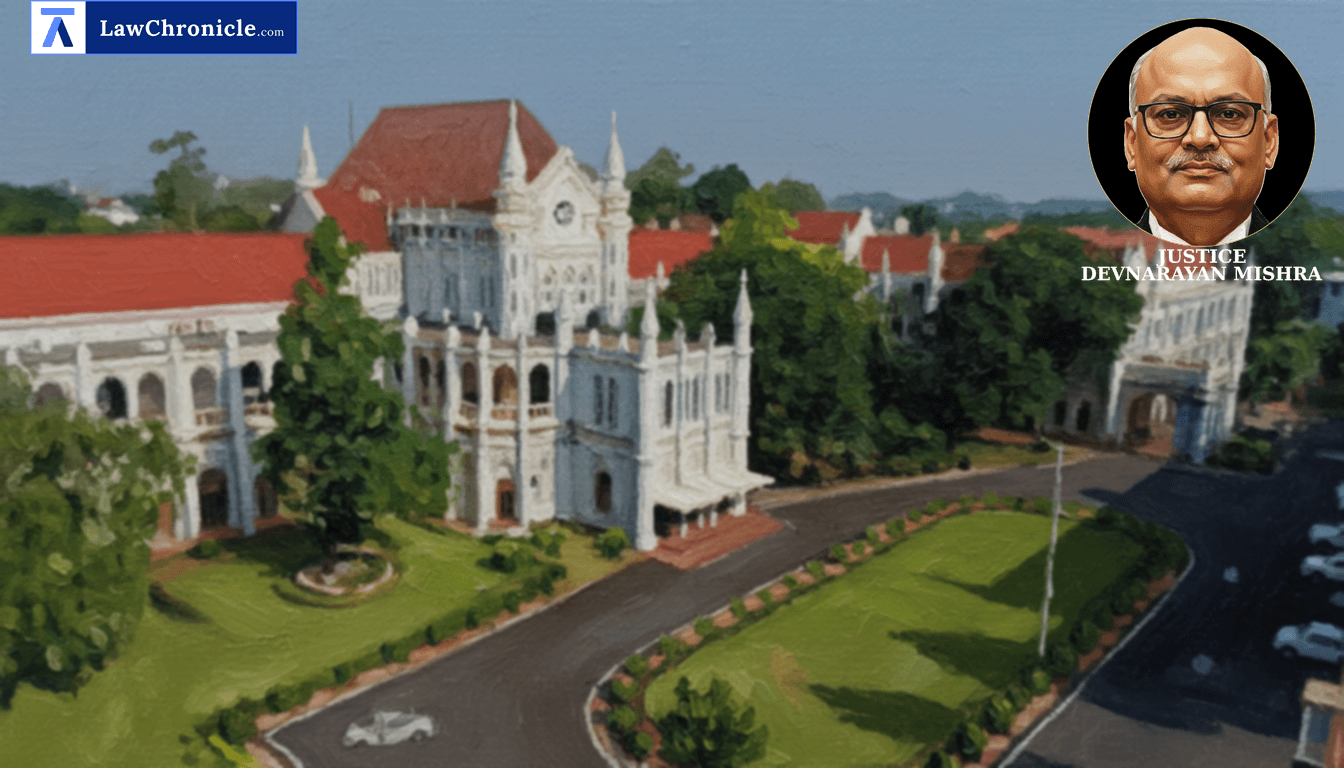
The Madhya Pradesh High Court has reinforced the rights of sexual assault survivors by permitting the termination of a 26-week pregnancy of a minor, emphasizing the strict adherence to established Standard Operating Procedures (SOPs) for medical and legal assistance.
In a sensitive judicial intervention, Justice Devnarayan Mishra directed the medical authorities to prioritize the safety and health of the minor victim while ensuring the preservation of evidence for criminal prosecution. The decision came through a Suo Motu registration of a reference received from the lower judiciary, highlighting the Court's proactive role in cases involving the Medical Termination of Pregnancy Act 1971 and the Protection of Children from Sexual Offences Act, 2012.
Adherence to Judicial SOPs and Medical Safety
The Court's decision was heavily guided by the procedural framework laid down in Suo Motu In Reference Vs. The State of M.P. and others. The bench noted that the minor, born in December 2009, was a victim of sexual assault and was carrying a pregnancy of 26 weeks. A medical board comprising seven specialists, including gynecologists, a radiologist, and a psychiatrist, had already opined that the pregnancy could be terminated.
The Court, in its reasoning, observed: "The Suo Motu petition is allowed and this Court deems it appropriate to permit the termination of pregnancy of the victim subject to the following directions:
(i) The victim along with her parents to remain present before the District Hospital, Shahdol at the earliest...
(ii) (ii) The procedure of termination of pregnancy will be carried out in the presence of the expert team of doctors."
Guidelines for Post-Operative Care and Child Welfare
Beyond the medical procedure, the Court addressed the welfare of any child born alive during the process and the privacy of the victim. It invoked the provisions of the Juvenile Justice Care and Protection Act regarding potential adoption and mandated that the State ensure the privacy of the victim’s family is protected from media identification.
The Court has the following directions:
"(i) The victim along with her parents to remain present before the District Hospital, Shahdol at the earliest, tomorrow or the suitable date as decided by the Medical Board, so that the termination of pregnancy may be carried out as expeditiously as possible. A specialized team of Doctors shall take a decision regarding termination of pregnancy.
(ii) The procedure of termination of pregnancy will be carried out in the presence of the expert team of doctors. The expert doctors will further explain to the family members as well as the victim about the risk of getting the termination of her pregnancy and also other factors and complications involved in the termination of pregnancy.
(iii) Every care and caution will be taken by the doctors while terminating the pregnancy. All medical attention and other medical facilities including that of a presence of a Pediatrician as well as a Radiologist and other required doctors will be made available to the victim.
(iv) The post operative care up to the extent required, will be extended to the victim. It will be the duty of the State Government to take care of the child, if born alive.
(v) The doctors will also ensure that a sample from the fetus/child is protected for DNA examination and immediately handed over to the Investigating Officer for further examination and prosecution of the accused.
(vi) The copy of the order be supplied to the Civil Surgeon, District Hospital, Shahdol for further action."
Background:
The matter originated from a criminal case registered under Sections 64(1), 64(2)(m), and 65(1) of the BNS, 2023, and Section 5l/6 of the Protection of Children from Sexual Offences Act, 2012. The Additional Sessions Judge, Beohari, referred the matter to the High Court as the pregnancy exceeded the 24-week threshold mentioned in the Medical Termination of Pregnancy Act 1971. The victim's father had consented to the procedure, understanding the risks explained by the medical board. The High Court, acting under Article 226 of the Constitution, converted the reference into a writ petition to ensure timely legal and medical relief to the survivor, ultimately disposing of the petition with specific mandates for both medical staff and state authorities.
Case Details:
Case No.: WRIT PETITION No. 19392 of 2026
Case Title: PROSECUTRIX X Versus THE STATE OF MADHYA PRADESH AND OTHERS
Appearances:
For the Respondent(s): Shri L.A.S. Baghel, Government Advocate
Source: 2026 CaseBase(MP) 22
Similar Articles
 Breaking News


