


Pensionary Benefits Cannot Be Denied Due To Post-Retirement Caste Invalidation: Bombay HC
 Copy Link
 Share
 Save
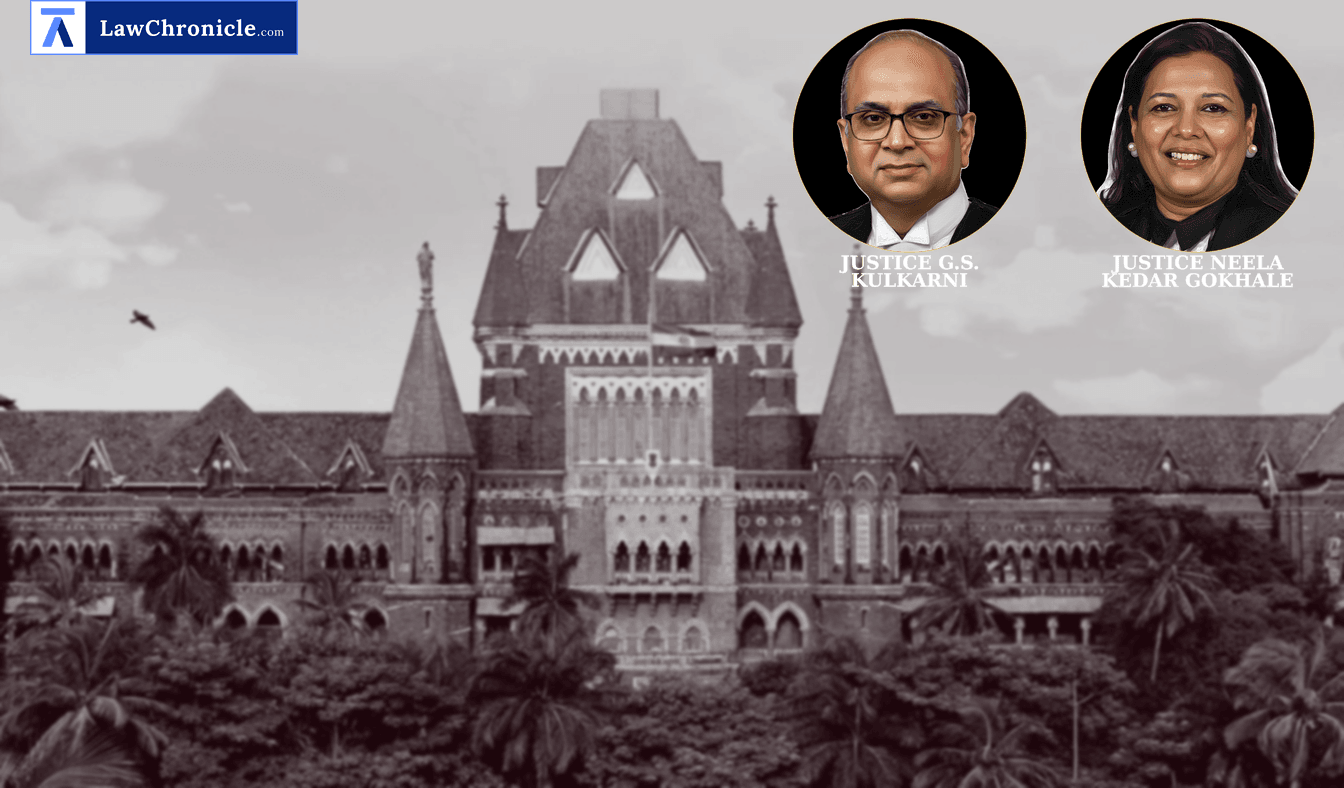
In a decisive protection of social security rights, the Bombay High Court has ruled that an employee who has rendered decades of unblemished service cannot be deprived of retiral benefits solely because their caste certificate was invalidated after superannuation.
A division bench comprising Justice G. S. Kulkarni and Justice Dr. Neela Gokhale adjudicated upon a petition where a Peon’s post-retirement life was stalled by the withholding of pension and gratuity following a technical invalidation of her tribe claim. The Bench emphasized that withholding such benefits, which recognize long service, would leave an employee in penury and suffering during the twilight of their life.
Key Takeaways
Protection of Retiral Benefits
Employees who have superannuated after long years of service are entitled to pensionary benefits regardless of a post-retirement caste certificate invalidation, provided there was no fraud or mid-service discharge.
Humanitarian Policy of the State
The Bombay High Court highlighted the State's own policy of creating supernumerary posts to protect the services of Scheduled Tribe candidates whose certificates are invalidated, extending this humanitarian logic to retiral benefits.
Primacy of Long Unblemished Service
The absence of a caste validity certificate during the tenure of service, if not held against the employee through disciplinary proceedings, cannot be used as a ground to withhold pension after retirement.
Entitlement to Interest
Delayed payment of retiral benefits due to illegal withholding by the state or employer attracts statutory interest to compensate the retired employee.
Pension Cannot Be Withheld After Superannuation
The Bombay High Court noted that the Petitioner had served for 38 years without any disciplinary proceedings regarding her caste status. It was observed that the employer never invoked Section 10 of the Maharashtra Scheduled Castes, Scheduled Tribes, De-Notified Tribes, (Vimukta Jatis) Nomadic Tribes, Other Backward Classes And Special Backward Category (Regulation Of Issuance And Verification Of) Caste Certificate Act, 2000 to discharge her during her service tenure. The bench relied on the precedent set in Ratnamala Anilkumar Swami vs. State of Maharashtra and Anr., which established that an employee cannot be left in destitution after retirement due to a late-stage invalidation of a caste certificate.
The Bombay High Court clarified that "...the employer cannot deny the grant of family pension to the Petitioner therein, which being the recognition of the long service rendered by her, and that the employee cannot be left in penury, destitution and suffering in the twilight of her life, throughout the Petitioner’s service, the absence of a caste validity certificate was never held against her, nor were any disciplinary proceedings initiated."
The Bench further referenced Chairman and Managing Director, Food Corporation of India and Ors. Vs. Jagdish Balaram Bahira and Ors. (2017 CaseBase(SC) 195) and Surekha Baljorsingh Thakur vs. Caste Scrutiny Committee and Anr. ( "Special Leave to Appeal (C) No(s). 15632 of 2021 decided on 1st April 2024": 2024 CaseBase(SC) 3372) to reiterate that even in cases of caste invalidation, the Courts have exercised discretion to protect the pensionary rights of long-serving employees on humanitarian grounds.
Ratio
The long-standing service of an employee, if permitted to continue until superannuation without any challenge to their caste status during their tenure, creates a protected right to retiral benefits. A post-retirement invalidation of a caste certificate by a Scrutiny Committee does not automatically result in the forfeiture of pension and gratuity, as these are recognitions of service already rendered and are protected under the humanitarian policies of the State and the constitutional mandate of social security.
Background
The Petitioner, who claimed to belong to the 'Thakar' Tribe, was appointed as a Peon at a Primary Health Centre. Despite submitting documents dating back to 1918 and a validity certificate belonging to her real brother, her certificate was initially invalidated on a technical ground regarding the prescribed form. After obtaining a fresh certificate and serving 38 years, she retired in May 2020.
Post-retirement, the Scrutiny Committee again invalidated her claim in 2022, leading the Respondents to withhold her pension and gratuity. The Petitioner, suffering from medical issues, approached the Court challenging this invalidation. The Bombay High Court examined several precedents including Prakash S/o Fulchand Barwal & Ors. vs. The State of Maharashtra and Ors, Saraswati w/o Nagnath Mupde vs. The State of Maharashtra & Ors., Manda w/o Prakash Sonawane vs. The State of Maharashtra and Ors., and Kamlabai w/o Shaphadu Salve Vs. the State of Maharashtra & Ors. ( "Writ Petition No.4624 of 2021 decided on 01.10.2021.": 2021 CaseBase(BOM) 2263), all of which favored the protection of pensionary benefits for legal heirs or superannuated employees in similar circumstances. The Court concluded that the Petitioner could not be deprived of her benefits and quashed the Scrutiny Committee's order.
Case Details:
Case No.: WRIT PETITION NO. 13598 OF 2023
Neutral Citation: 2026:BHC-AS:42631-DB
Case Title: Mangal Dagadu More Vs. State Of Maharashtra and Ors.
Appearances:
For the Petitioner(s): Mr R. K. Mendadkar
For the Respondent(s): Mr Aditya R. Deolekar, AGP
Source: 2026 CaseBase(BOM) 6542
Similar Articles

 Breaking News


