


Post Unfilled Due to Election Failure Not A 'Casual Vacancy': Chhattisgarh HC
 Copy Link
 Share
 Save
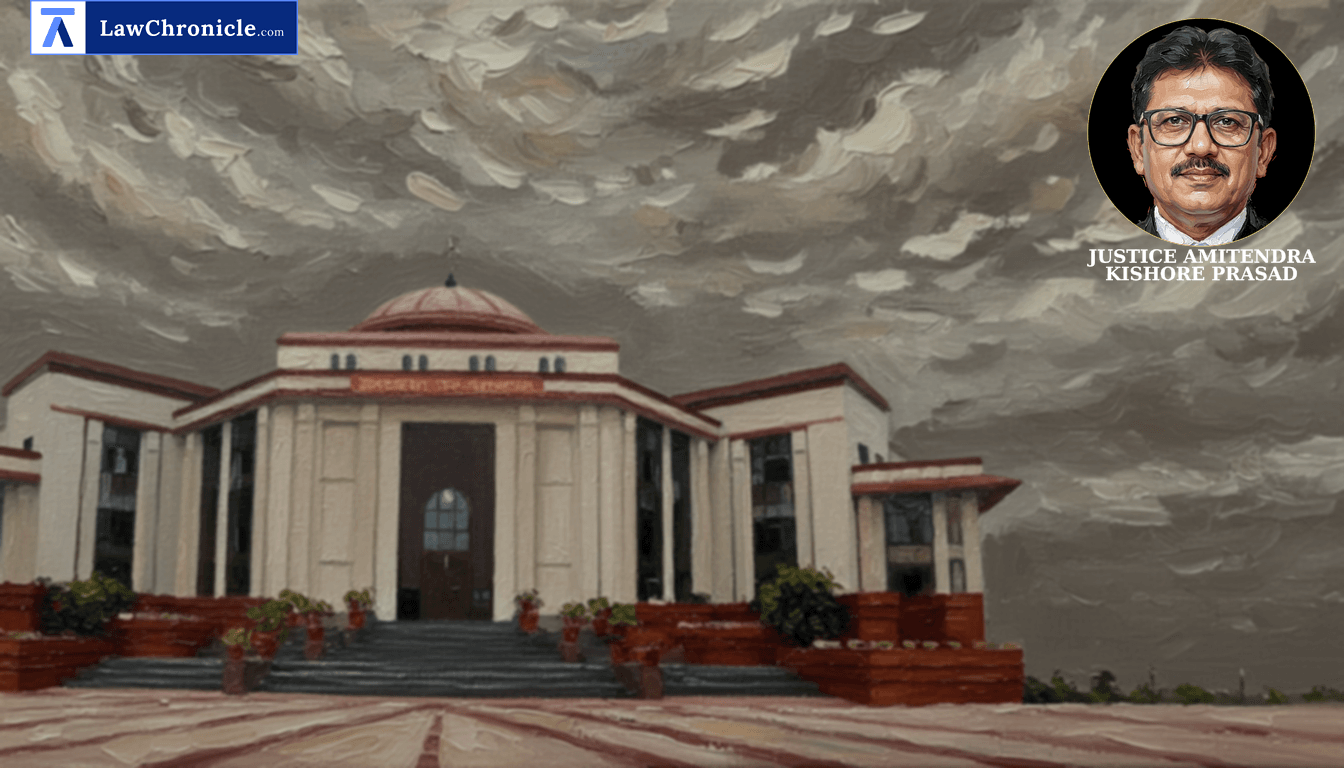
The Chhattisgarh High Court has categorically ruled that the failure to elect a Sarpanch during general or bye-elections does not constitute a 'casual vacancy,' thereby barring the state from appointing officiating Sarpanchs through special meetings under the guise of temporary arrangements. The Bench reinforced the primacy of the Chhattisgarh Panchayat Nirvachan Niyam, 1995 and ensured that the Up-Sarpanch retains their statutory right to officiate under Chhattisgarh Panchayat (Powers and Function of Sarpanch and Up-Sarpanch of Gram Panchayat, President and Vice-President of Janpad Panchayat and Zila Panchayat) Rules, 1994 when a primary election fails to produce a representative.
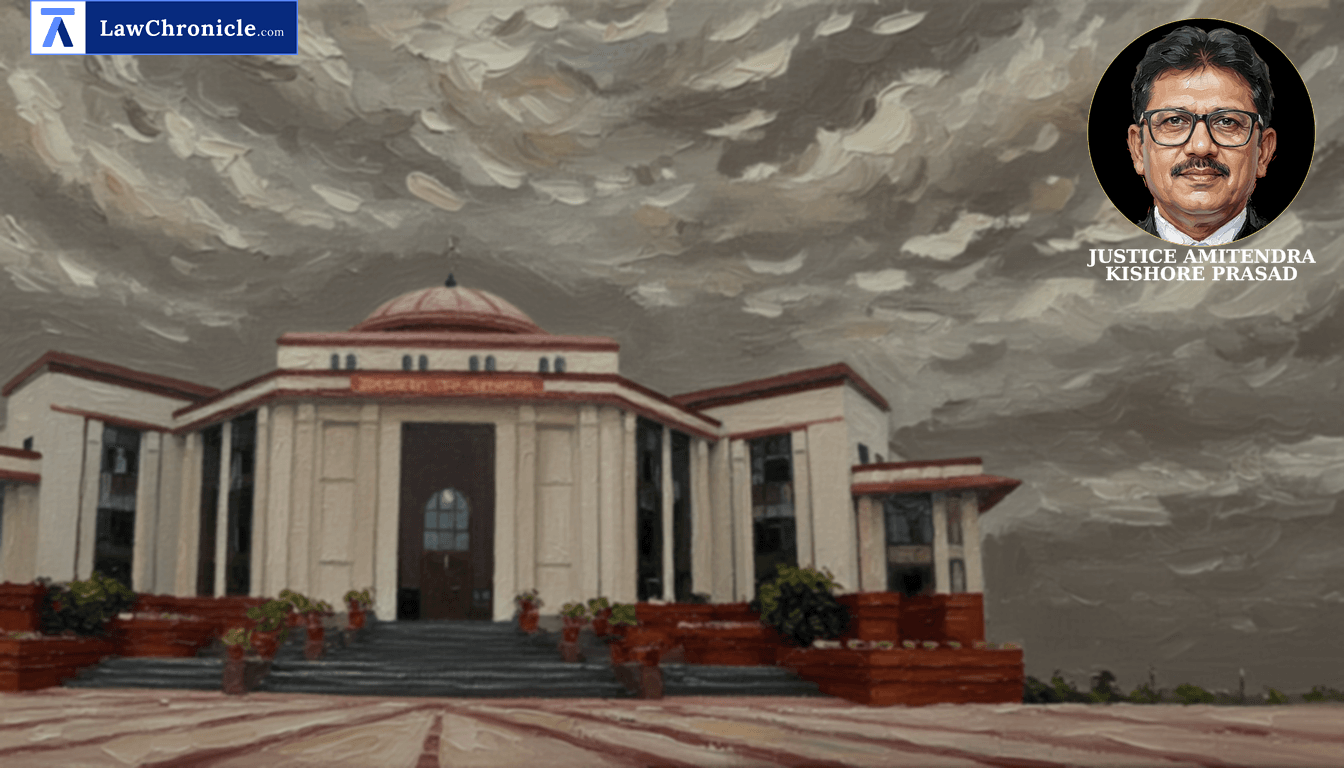
Justice Amitendra Kishore Prasad, presiding as a single judge bench, adjudicated upon a challenge against an executive order that sought to bypass the standard election machinery. The Chhattisgarh High Court scrutinized the distinction between an office that becomes vacant mid-tenure and one that was never occupied due to a lack of eligible candidates, specifically in the context of reserved categories.
Key Takeaways
Strict Definition of Casual Vacancy
An office must first be occupied by an elected official to trigger the 'casual vacancy' provisions; failure to elect from the start requires a fresh poll, not a temporary appointment.
Protection of Statutory Officiating Rights
In the absence of a Sarpanch, the duly elected Up-Sarpanch holds the legal mandate to perform duties under Rule 3(2) of the Chhattisgarh Panchayat (Powers and Function of Sarpanch and Up-Sarpanch of Gram Panchayat, President and Vice-President of Janpad Panchayat and Zila Panchayat) Rules, 1994.
Primacy of Election Commission
Filling unfilled seats is the exclusive domain of the State Election Commission and the District Election Officer under the Chhattisgarh Panchayat Nirvachan Niyam, 1995, not the Sub-Divisional Officer.
Court Observations on Section 38 and Rule 89
The Chhattisgarh High Court emphasized that the invocation of Section 38(1)(b) of the Chhattisgarh Panchayat Raj Adhiniyam, 1993 requires the prior fulfillment of contingencies listed in Section 38(1)(a). The bench noted that the state cannot manufacture jurisdiction by mislabeling an unfilled seat as a 'casual vacancy' when the foundational legal conditions are absent.
The Chhattisgarh High Court observed that “A casual vacancy can arise only upon the occurrence of the circumstances contemplated under the statutory provision, such as the death or resignation of the elected office-bearer, the passing of a no-confidence motion against him or her, removal from office, or any other statutorily prescribed contingency resulting in the office becoming vacant during the tenure of the elected office-bearer. In the present case, admittedly, no person was elected to the office of Sarpanch in the first place, and therefore, there was no elected office-bearer whose tenure was subsequently brought to an end...”
Ratio
An office that remains unfilled from its inception due to a lack of nominations in general or bye-elections does not fall within the ambit of a 'casual vacancy' under Section 38 of the Chhattisgarh Panchayat Raj Adhiniyam, 1993. Consequently, authorities cannot invoke special meeting procedures to elect an officiating Sarpanch; instead, the vacancy must be filled via the fresh poll procedure prescribed under Rule 89 of the Chhattisgarh Panchayat Nirvachan Niyam, 1995.
Background
The petitioner was the elected Up-Sarpanch of Gram Panchayat Dongariyakhurd. The post of Sarpanch was reserved for Scheduled Tribe women, but no nominations were filed in either the 2025 General Election or the 2026 bye-election. The petitioner acted as Sarpanch until the Sub-Divisional Officer (SDO) issued an order on August 6, 2026, treating the vacancy as 'casual' and calling for a meeting to elect an officiating Sarpanch. The petitioner challenged this, relying on the Division Bench ruling in Sarswati Bai v. State of Chhattisgarh, arguing that the SDO lacked jurisdiction and that the Up-Sarpanch should continue officiating until a proper election is held. The Chhattisgarh High Court agreed, setting aside the SDO's order and upholding the procedural integrity of the Chhattisgarh Panchayat Raj Adhiniyam, 1993.
Case Details:
Case No.: WPC No. 4305 of 2026
Neutral Citation: 2026:CGHC:4435
Case Title: Visram Yadav v. State Of Chhattisgarh and Others
Appearances:
For the Petitioner(s): Mr. Anand Kumar Shukla, Advocate along with Mr. Vivek Siddharth Ojha, Advocate.
For the Respondent(s): Mr. S. S. Choubey, G.A. for State; Ms. Anushka Sharma, Advocate for Respondent No. 6.
Source: 2026 CaseBase(CTH) 19900
Similar Articles
 Breaking News


