Section 92 CPC Suits Don't Give Automatic Impleadment Rights To Every Devotee: SC
 Copy Link
 Share
 Save
The Supreme Court has clarified that every devotee or member of a trust cannot claim an automatic right to be impleaded as a party in a representative suit concerning public charities without demonstrating specific legal necessity. Reinforcing the boundaries of supervisory jurisdiction, the Apex Court has set aside High Court interim orders that interfered with a Trial Court's discretionary powers in managing a charitable society's interim administration.
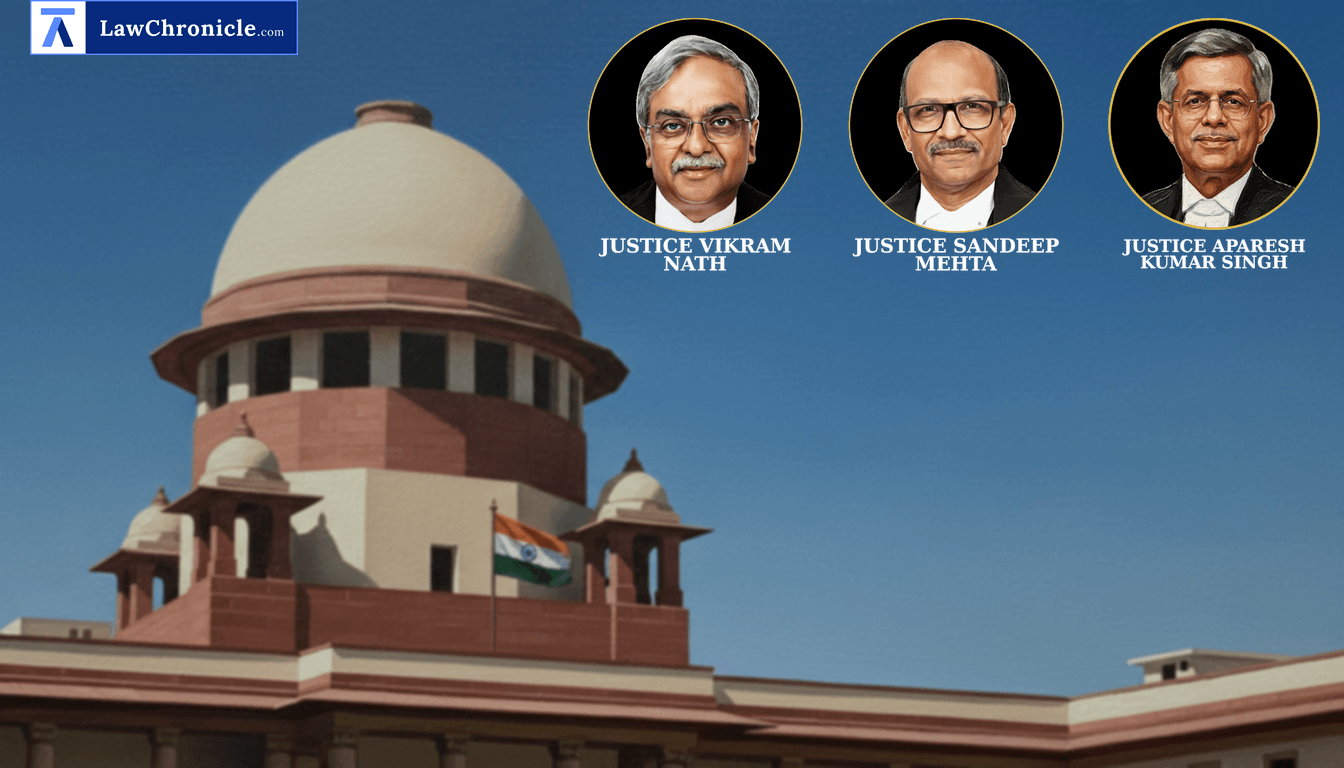
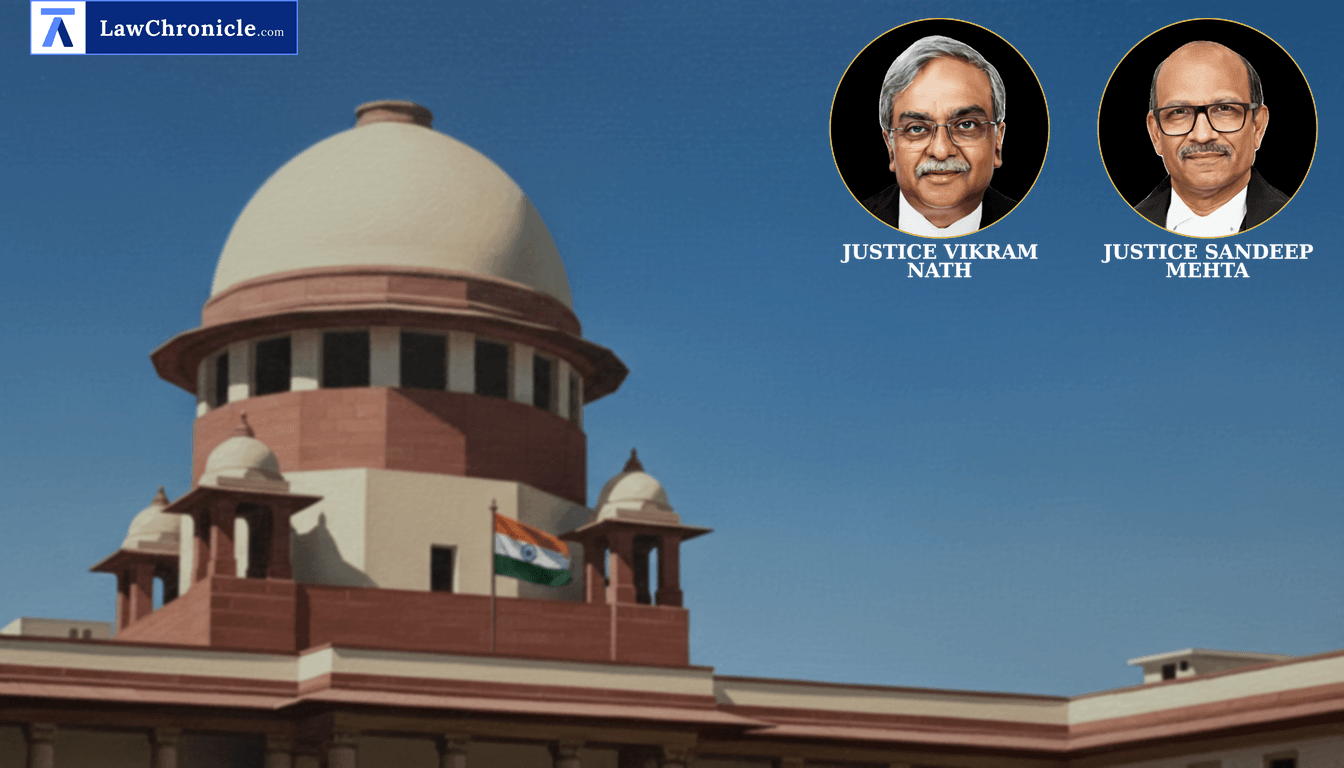
A three-judge bench comprising Justice Vikram Nath, Justice Sandeep Mehta, and Justice Aparesh Kumar Singh allowed a batch of civil appeals challenging High Court orders that had stayed interim management arrangements and reversed impleadment rejections in a suit concerning Sri Guru Sangha.
Key Takeaways
No Automatic Impleadment: Devotees or members cannot automatically join representative suits under Section 92 of Code of Civil Procedure, 1908 without demonstrating how their presence is strictly necessary.
Supervisory Restraint: High Courts exercising jurisdiction under Article 227 of Constitution of India cannot routinely alter discretionary interim management orders passed by Trial Courts.
Trial Court Primacy: Trial courts remain the appropriate forum to examine ongoing financial or administrative irregularities in pending suit property matters.
The Supreme Court observed that the Trial Court had duly considered explanations from the removed Special Officer before constituting an ad hoc committee. Reaffirming the limits of supervisory intervention under Article 227 of Constitution of India, the Court relied on M/s Garment Craft v. Prakash Chand Goel ( "(2022) 4 SCC 181": 2022 CaseBase(SC) 15) to highlight that High Courts should not substitute their own conclusions for those of subordinate courts absent patent jurisdictional errors. The Bench highlighted that "Order I Rule 10(2) of the CPC requires the Court to determine whether the presence of a proposed party is necessary or proper for the effective and complete adjudication of the questions involved in the suit. Although a suit instituted under Section 92 of the CPC is representative in nature and concerns the interests of persons associated with the institution, this does not confer an automatic right of impleadment upon every devotee or member of the Sangha. The applicants must demonstrate sufficient grounds for their separate participation and explain how their presence is necessary or proper for the adjudication of the controversy."
Ratio
A representative suit instituted under Section 92 of the Code of Civil Procedure, 1908 does not confer an automatic right of impleadment upon every member or devotee of an institution under Order I Rule 10(2); applicants must independently establish specific legal grounds showing their presence is necessary or proper for effective adjudication.
Background
The dispute originated from Title Suit No. 105 of 2012 instituted under Section 92 of Code of Civil Procedure, 1908 regarding the management of Sri Guru Sangha, a charitable society registered under Societies Registration Act, 1860. The Trial Court had initially appointed a Special Officer, Smt. Banani Ghosh, but subsequently removed her following allegations of irregularities and after receiving her written explanation. Upon a joint application by parties, the Trial Court constituted a 13-member ad hoc committee to manage the society.
Aggrieved by their removal and the committee's formation, revision petitions were filed in the High Court at Calcutta, which stayed the Trial Court's order. Separately, the High Court set aside the Trial Court's rejection of impleadment applications filed by Bachhu Ranjan Das and others, granting them liberty to file fresh applications.
The Supreme Court set aside the High Court's orders, restoring the Trial Court's interim order constituting the ad hoc committee as well as its order rejecting the impleadment applications, while leaving the Trial Court free to deal with ongoing management disputes independently.
Case Details:
Case No.: Civil Appeal Nos. 841-842 of 2023
Neutral Citation: 2026 INSC 1250
Case Title: Subhasindu Das & Ors. v. Bachhu Ranjan Das & Ors. etc.
Source: 2026 CaseBase(SC) 10317
Subscribe to Our Newsletter for receiving Weekly Updates on your E-Mail
Similar Articles
 Breaking News