


State Cannot Evade Final Judicial Orders On Grounds Of Delay: SC
 Copy Link
 Share
 Save
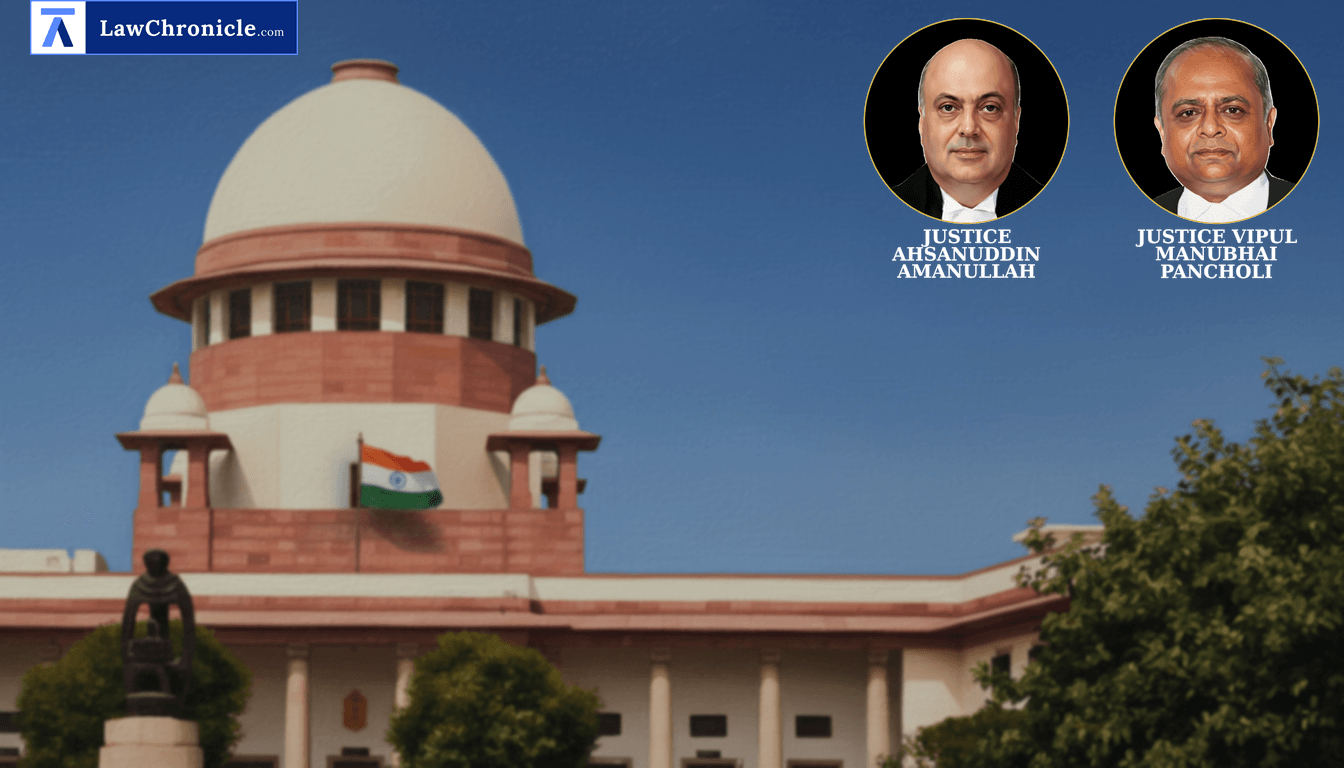
In a significant ruling for government employees, the Supreme Court has held that the State, as a model employer, cannot refuse to implement a judicial order that has attained finality merely by citing delays in the execution process or non-disclosure of procedural history. The Court emphasized that for recurring liabilities like monthly wages, every instance of non-payment gives rise to a fresh cause of action.
A bench comprising Justice Ahsanuddin Amanullah and Justice Vipul M. Pancholi heard an appeal filed by Grade-IV employees who were seeking the implementation of a 2012 order from the Andhra Pradesh Administrative Tribunal. The bench observed that while the litigants had failed to disclose previous execution and contempt proceedings, such technical lapses should not allow the State to benefit from its own wrong in failing to implement a binding judgment.
Court Reprimands State's Inaction and Procedural Objections
The Court noted that the underlying order dated July 20, 2012, granted the appellants the benefit of the minimum regular scale of pay, which the State never challenged. The bench found it troubling that despite the order attaining finality, the employees were forced into multiple rounds of litigation to reap the benefits. The Court observed that under Constitution of India, 1950, the State must act fairly and cannot use systemic delays to defeat the cause of justice.
The Court, in its reasoning, observed: "The State cannot be heard espousing such contention and is, to our minds, clearly estopped from so doing. To allow the State to do so would tantamount to permitting a party to take advantage of its own wrong, being non-implementation of the Tribunal’s Order dated 20.07.2012. Ex injuria sua nemo habere debet (no party can take advantage of his/her own wrong) as espoused in Kusheshwar Prasad Singh v State of Bihar ( "(2007) 11 SCC 447": 2007 CaseBase(SC) 1022) and restated in Machhindranath v Ramchandra Gangadhar Dhamne would be attracted."
Legal Principles on Material Suppression vs. Access to Justice
While the High Court had dismissed the employees' writ petition citing the suppression of earlier withdrawn petitions and contempt filings, the Supreme Court balanced this against the right to access justice. Referring to S J S Enterprises (P) Ltd. v State of Bihar and Arunima Baruah v Union of India ( "(2007) 6 SCC 120": 2007 CaseBase(SC) 563), the Court clarified that suppression must be of a 'material fact' that would have altered the merits of the case.
Fresh Cause of Action in Service Matters
The bench highlighted that in matters of monthly payments, the grievance remains alive. It relied on Government of NCT of Delhi v BSK Realtors LLP to reiterate that judicial process should not be used as a weapon of technicality by the State.
The Court has following directions:
"The concerned respondents are directed to comply with the Order dated 20.07.2012 passed by the Tribunal in O. A. No.5971/2012 and make all required payments to the appellants, within four months from today. We propose no order for payment of interest on these amounts, which should suffice as deterrence for the non-disclosures."
Background:
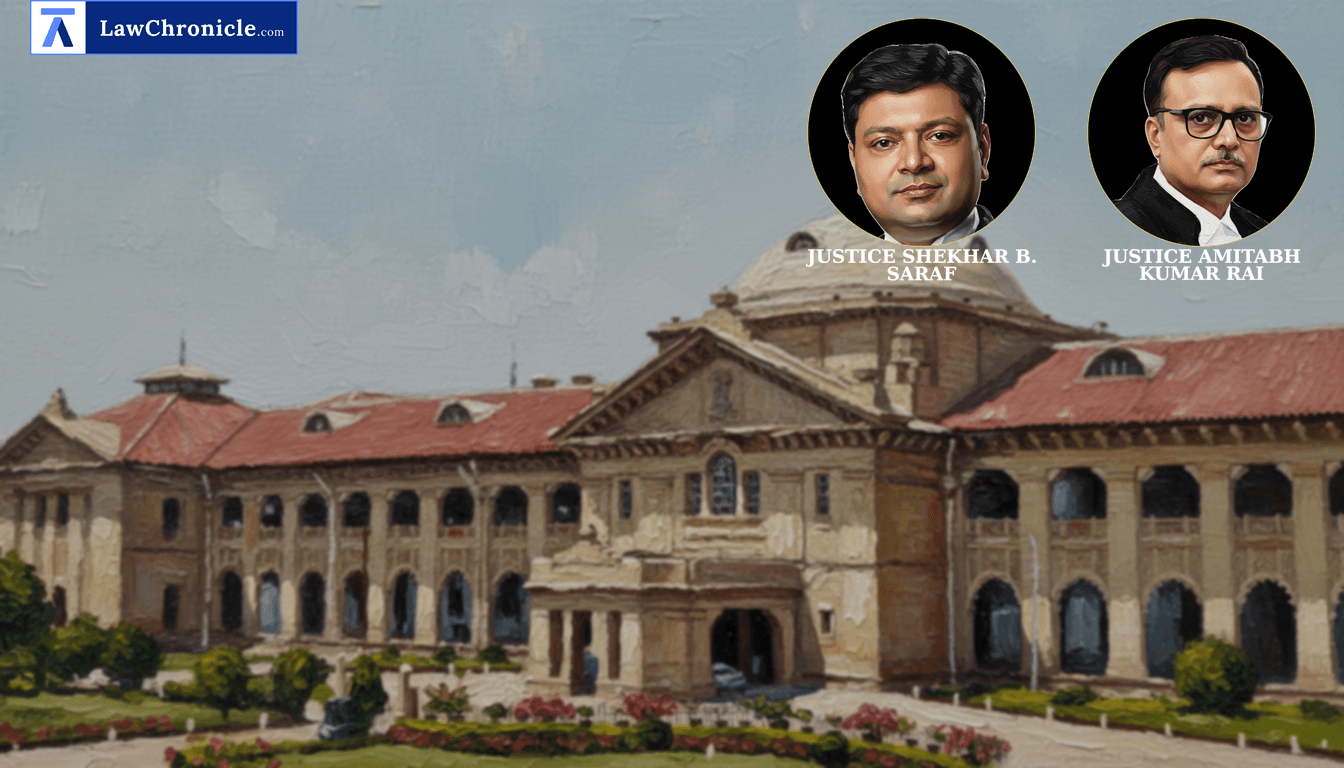
The appellants, Grade-IV employees, had secured a favorable order from the Administrative Tribunal in 2012. When the State failed to implement it, they filed contempt and execution petitions. A later Writ Petition was dismissed by the High Court of Andhra Pradesh on the grounds that the employees had suppressed the fact that a previous Writ Petition was withdrawn without liberty to file fresh, and that their contempt petitions were dismissed as time-barred. The Supreme Court set aside this High Court order, ruling that the State's failure to challenge the original 2012 order meant it was duty-bound to comply, regardless of the employees' procedural missteps. The appeal was allowed, directing full compliance within four months.
Case Details: Case No.: CIVIL APPEAL NO.7371 OF 2026 NeutralCitation: 2026 INSC 495 Case Title: B. YERRAJI & ORS. VERSUS THE STATE OF ANDHRA PRADESH & ORS. Appearances: For the Petitioner(s): Mr. V. Chitambaresh, Senior Counsel For the Respondent(s): Ms. Prerna Singh, Counsel (R1); Mr. Sateesh Galla, Counsel (R2)
Source: 2026 CaseBase(SC) 577
Similar Articles
 Breaking News


