


Supreme Court Restores Dowry-Death Conviction, Directs Surrender and Issues Directions to Tackle Dowry
 Copy Link
 Share
 Save
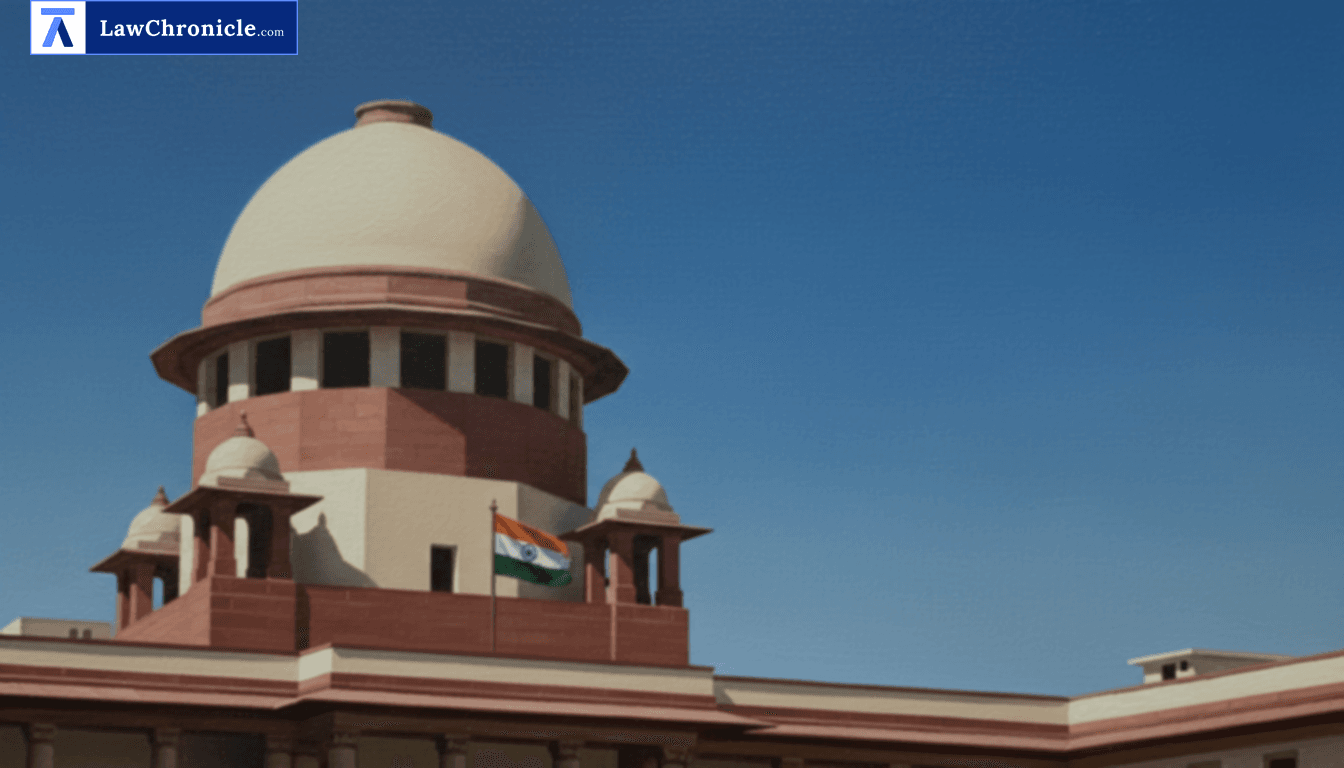
A bench of Justices Sanjay Karol and Nongmeikapam Kotiswar Singh heard appeals by the State of Uttar Pradesh challenging an Allahabad High Court order that had acquitted two accused previously convicted for the dowry death of a young woman. The appeals arose from convictions under Sections 304-B and 498-A IPC and Sections 3/4 of the Dowry Prohibition Act, 1961 in Sessions Trials originating from FIR No. 94/2001 at P.S. Kiratpur, Bijnor.
The Court allowed the State’s appeals, held that the High Court erred in setting aside the Trial Court’s findings, and restored the convictions of the two respondents. The Court observed that the prosecution had established a specific demand for a colour television, a motorcycle and Rs. 15,000 and that the demand was reiterated a day before the deceased’s death; the evidence of continuous harassment therefore satisfied the essentials of Section 304‑B IPC. The Court, in its reasoning, observed: “The presumption under Section 113‑B of the Indian Evidence Act, 1872 came into effect as soon as it stood proved that the deceased had been subjected to cruelty soon before her death, and went unrebutted by the defence, since no evidence was led by them.” The bench restored the Trial Court’s sentences, directed the principal accused to surrender within four weeks, and while upholding the conviction of the elderly co-accused, recorded that “insofar as the respondent … is 94 years of age … we refrain from incarcerating her.”
Background
The deceased Nasrin, married to Ajmal Beg for a little over a year, allegedly faced repeated demands for dowry from her husband and in‑laws — specifically a colour TV, a motorcycle and Rs. 15,000 — which her father Taslim Beg (PW1), her uncle Khaliq Beg (PW2) and her mother (PW6) testified about. The prosecution case asserted that on 5 June 2001 the deceased was set on fire in her matrimonial home after such demands and threats; the post‑mortem (PW4) recorded 100% body burns and death due to asphyxia and shock. The Trial Court convicted Ajmal and his mother Jamila for dowry death and cruelty and sentenced them to terms including life imprisonment for 304‑B.
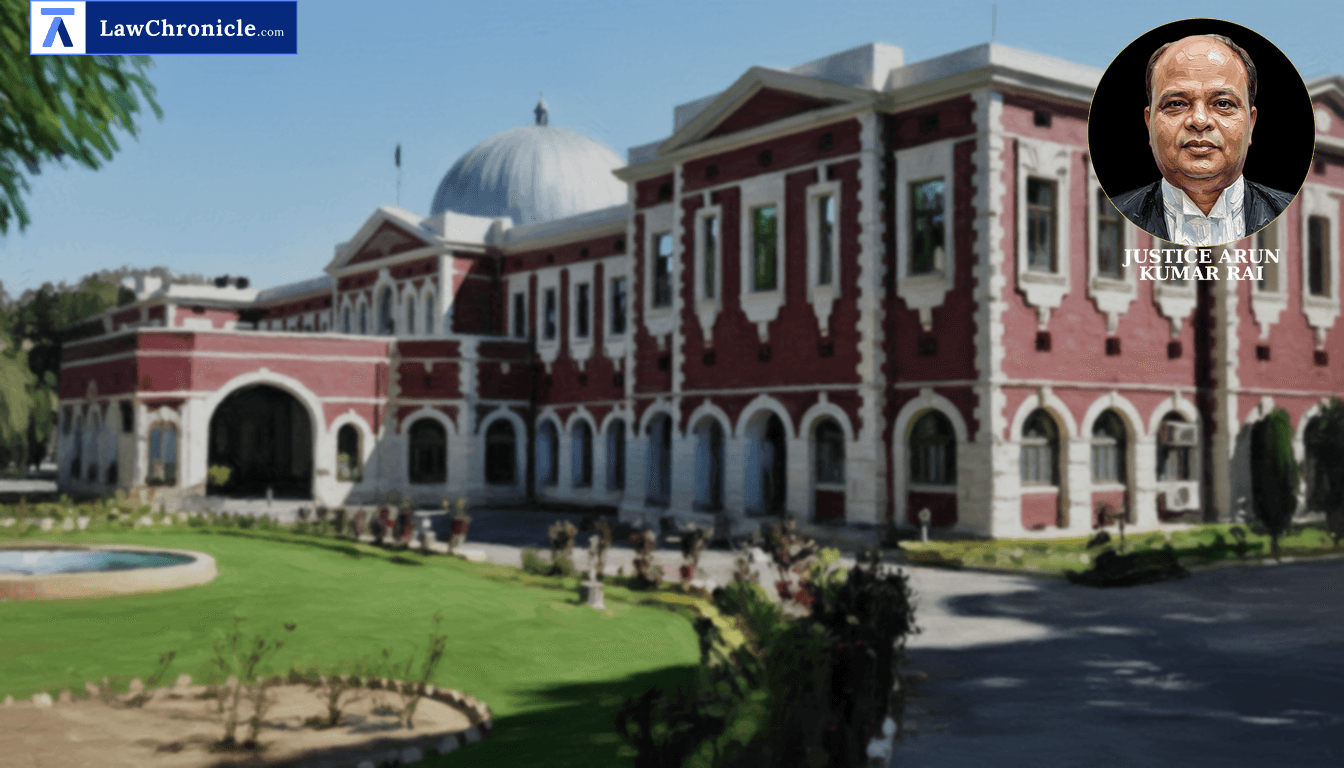
The Allahabad High Court reversed and acquitted, discrediting portions of PW2’s testimony, noting inconsistencies and doubting whether the deceased had been harassed as alleged; it also reasoned that the accused’s poverty made the asserted demands improbable. The State obtained special leave and appealed. The Supreme Court reviewed statutory provisions (Sections 304‑B IPC, 498‑A IPC, Section 113‑B Evidence Act and the Dowry Prohibition Act) and precedents on the scope of “soon before her death,” the presumption of causation under Section 113‑B, and the definition and reach of dowry. The Court found the High Court’s rejection of key testimony to be unjustified, held that omissions and some inconsistencies did not vitiate the core narrative, and concluded that the presumption under Section 113‑B applied and remained unrebutted. The Court restored convictions and directed surrender of the principal accused; for the 94‑year‑old convict it declined incarceration on humanitarian grounds. The Court also issued directions to address implementation and awareness: curriculum measures, appointment and publication of Dowry Prohibition Officers, periodic training for police and judicial officers, High Courts to review pending 304‑B/498‑A cases for expeditious disposal, and district‑level awareness drives.
Case No.: 2025 INSC 1435 Case Title: State of U.P. v. Ajmal Beg & Ors. Appearances: For the Petitioner(s): State Counsel (names/designations not specified in the excerpt) For the Respondent(s): Counsel for Respondents (names/designations not specified in the excerpt)
Similar Articles
 Breaking News


