


Absence Of Eyewitness Cannot Defeat Beneficial Claims For Railway Accidents: Delhi HC
 Copy Link
 Share
 Save
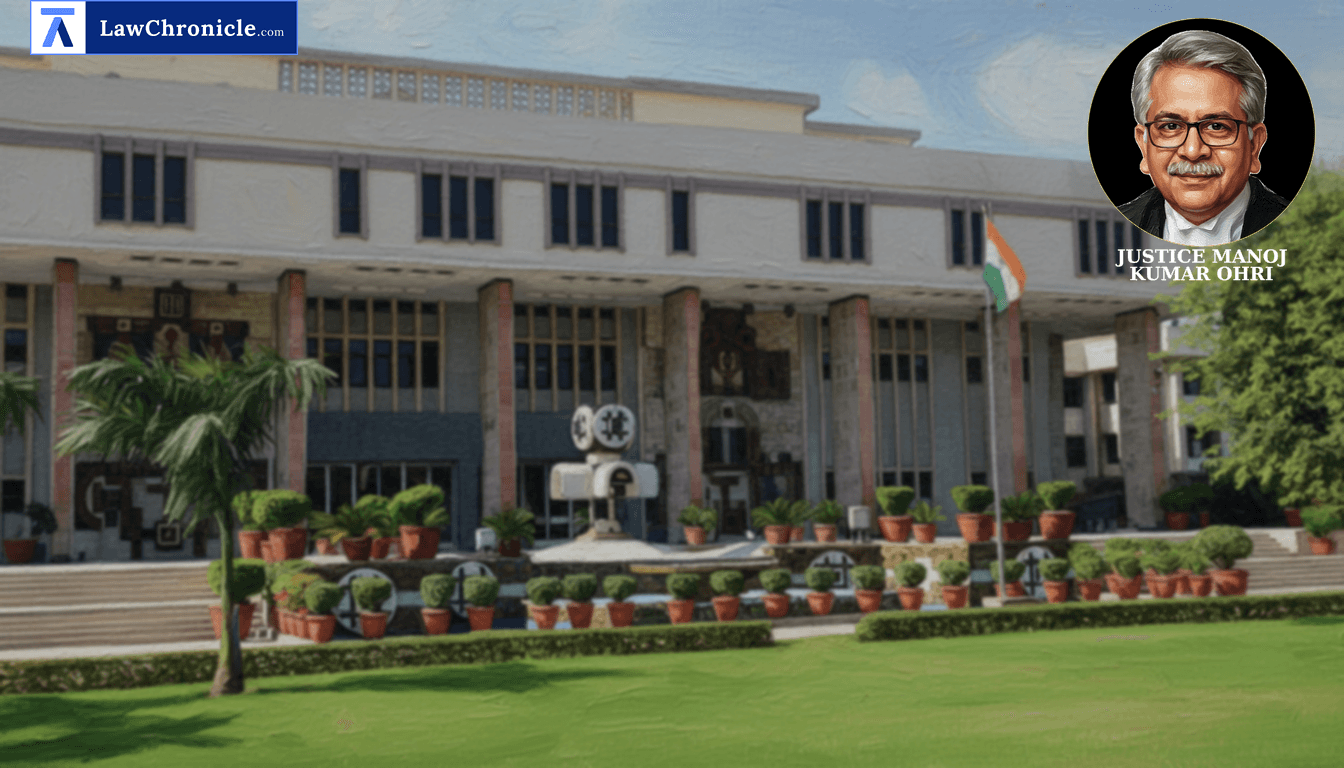
The Delhi High Court has reaffirmed that the absence of direct eyewitness testimony cannot be treated as a ground to reject compensation claims in railway accidents, emphasizing the beneficial nature of the law. This ruling underscores that liability for 'untoward incidents' is strict and can only be avoided if the Railways prove specific statutory exceptions.
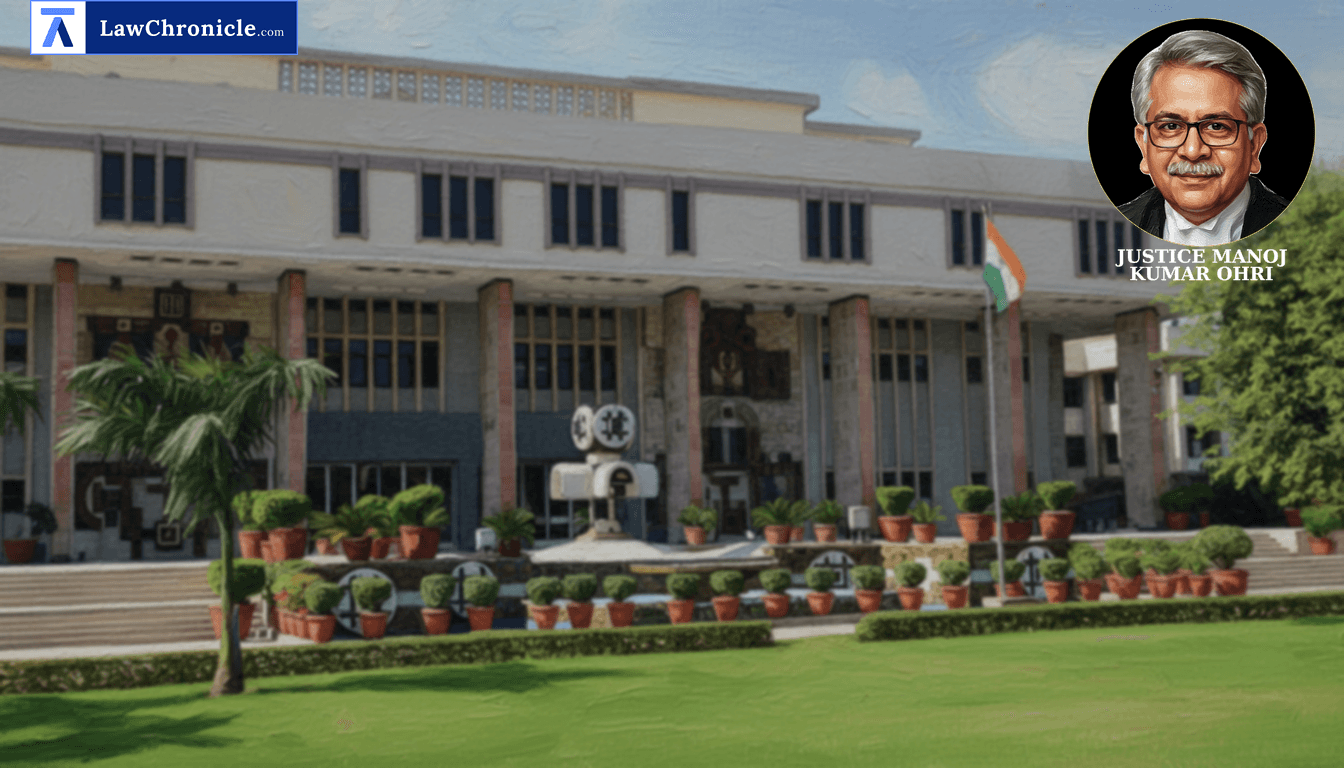
Justice Manoj Kumar Ohri, presiding over the matter, set aside an order of the Railway Claims Tribunal Act, 1987 which had previously dismissed a claim application despite finding the deceased to be a bona fide passenger. The Court highlighted that in cases of railway accidents, the occurrence must often be inferred from surrounding circumstances and contemporaneous official records rather than relying solely on direct evidence.
Defining 'Untoward Incident' and Burden of Proof
While examining the definition of an untoward incident under Section 123(c) of the Railways Act, 1989, the Court noted that the official records including the Station Master's memo and inquest report clearly pointed toward a railway track accident. The Court observed that the Tribunal erred by placing an excessive burden on the claimants, who are only required to establish foundational facts on the touchstone of preponderance of probabilities.
In its reasoning, the Court observed: "It is well settled that in railway accident cases, direct eyewitness testimony is often unavailable and the occurrence is required to be inferred from surrounding circumstances and contemporaneous official record. Absence of direct evidence cannot therefore be treated as determinative so as to defeat a beneficial legislation enacted for payment of compensation in cases of railway accidents."
Judicial Precedents on Strict Liability
The Court relied on the landmark judgment in Union of India v. Rina Devi ( "(2019) 3 SCC 572": 2018 CaseBase(SC) 1157), noting that once the initial burden is discharged by the claimant, the onus shifts to the Railways. Furthermore, referring to Union of India v. Prabhakaran Vijaya Kumar & Ors. ( "(2008) 9 SCC 527": 2008 CaseBase(SC) 1499), the Court reiterated that Section 124-A of the Railways Act, 1989 must receive a liberal interpretation, ensuring strict liability for the Railways unless they can prove exceptions like suicide or criminal acts, none of which were established in this case.
Background:
The dispute originated from the death of Umesh Raj Sahagal on February 27, 2020. The deceased was travelling from Bijwasan to Pataudi Road with a valid ticket when he met with an accident between Pataudi Road and Jataula Railway Stations. Although a valid journey ticket was recovered from the person of the deceased and verified by authorities, the Railway Claims Tribunal dismissed the claim on the grounds that there were no eyewitnesses to an 'accidental fall' and the DRM report was inconclusive regarding the exact manner of the incident.
The appellant argued that the contemporaneous records, including the post-mortem and inquest reports, cumulatively established death due to a railway accident. The High Court agreed, finding that the Railways failed to establish any statutory exceptions such as intoxication or suicide. Consequently, the appeal was allowed, and the case was remanded to the Tribunal for the assessment of compensation.
Case Details:
Case No.: FAO 336/2022
Case Title: LAKSHAMI BAI v. UNION OF INDIA
Appearances:
For the Petitioner(s): Mr. Ritik Singh, Advocate
For the Respondent(s): Mr. Manish Kumar, SPC with Mr. Rudra Paliwal, Advocate
Source: 2026 CaseBase(DEL) 304
 Breaking News


