


Bombay HC bars amendment to suit property after decades of silence
 Copy Link
 Share
 Save
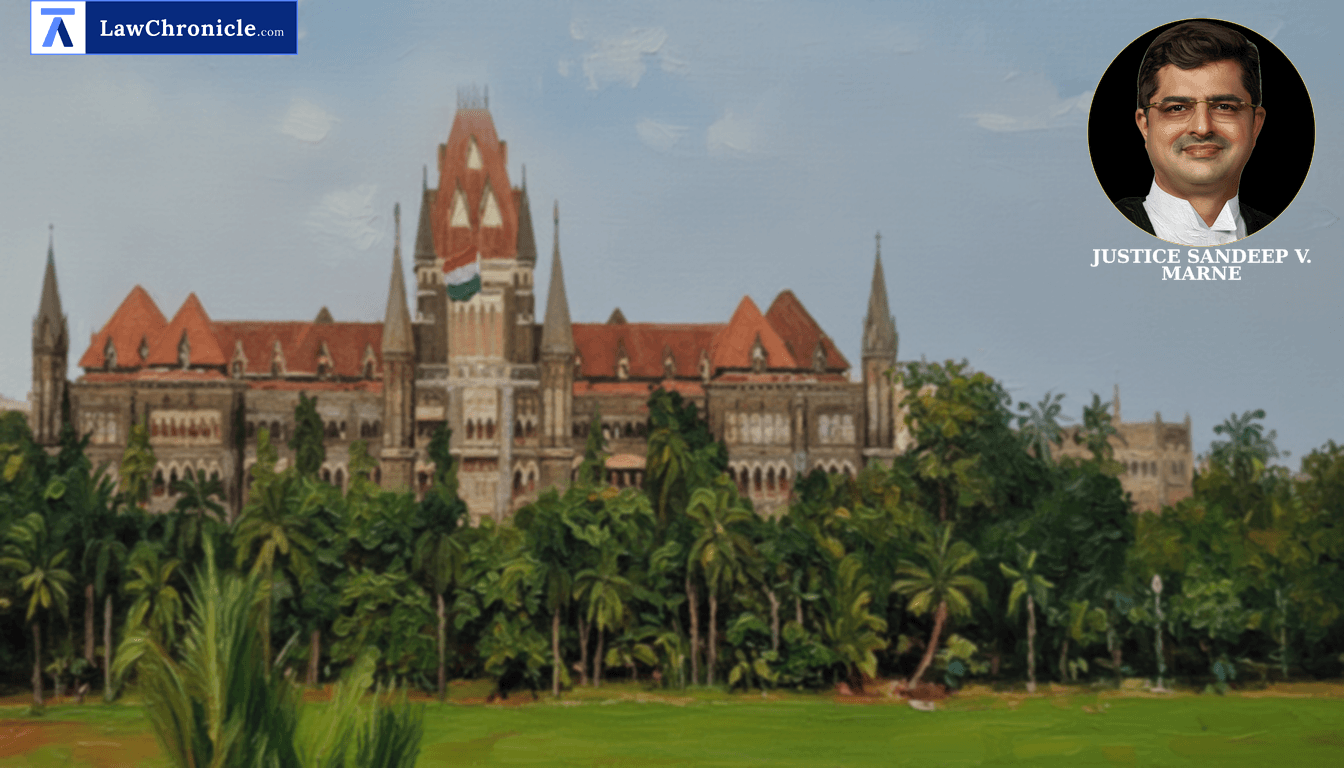
The Bombay High Court restricted a litigant's attempt to overhaul a 30-year-old property suit, ruling that strategic omissions and gross negligence cannot be masked as 'typographical errors' to defeat the rights of third-party purchasers. In a stern warning against forensic litigation tactics, the Court held that allowing a change in the suit property’s identity after decades of silence would fundamentally subvert the judicial process and unfairly prejudice innocent buyers who relied on the existing court records.
Justice Sandeep V. Marne presided over the challenge against a Trial Court order that had rejected an application to amend a 1995 plaint. The Petitioner sought to substitute the description of the suit property, claiming a clerical mistake had misidentified the land for over twenty years.
Key Takeaways
Finality of Pleadings
Courts will not permit amendments that fundamentally alter the subject matter of a suit after an inordinate delay, especially when the move appears to be a strategic afterthought.
Protection of Third-Party Interests
Valuable rights accrued to innocent third-party purchasers cannot be divested by allowing negligent litigants to belatedly 'correct' property descriptions they previously affirmed.
Bar of Limitation on New Claims
Amendments seeking to challenge sale deeds executed years prior are subject to the Limitation Act, 1963 and will be rejected if the claims are ex-facie time-barred.
Inference of Mala Fides
Selective challenges to some documents while omitting others involving the same property can lead the court to infer a lack of bona fides, justifying the rejection of the amendment.
Court Observations and Directions
The Bombay High Court noted that the Petitioner was fully aware of the land's identity, having selectively challenged documents in a 2013 amendment while omitting the very land they now sought to include. The Bench observed that the boundaries mentioned in the original plaint specifically matched the 'wrong' Gat number, indicating a conscious choice rather than a clerical slip.
The Bombay High Court noted that “The suit is pending for the last 31 long years and it appears that the intention of Plaintiff No. 1 appears to be to keep the Defendants and proposed Defendants engulfed in endless litigation so that they finally come at the negotiation table. Though the proviso to Section 17 of Code of Civil Procedure, 1908 was introduced by CPC (Amendment) Act, 2002, the same does not mean that the Plaintiff in a pre-2002 suit can amend the plaint at any point of time.”
Ratio
An amendment to a plaint, even in a suit instituted prior to the 2002 amendment of the Code of Civil Procedure, 1908, may be rejected if it is found to be mala fide, hopelessly barred by limitation, or if it seeks to introduce a change in the subject matter that would prejudice rights accrued to third parties due to the plaintiff's gross negligence.
Background
The litigation began in 1995 when the Plaintiffs filed a suit for declaration of ownership regarding agricultural lands in Pune. The suit was once dismissed for default in 2000 and restored only in 2009. In 2013, the Plaintiffs successfully amended the suit to challenge a 2008 sale deed but restricted the challenge to only one specific Gat number.
In 2017, the Petitioner filed a second amendment application, seeking to change 'Gat No. 612' to 'Gat No. 602', alleging a typographical error. They also sought to implead new defendants and challenge various sale deeds from 2006-2008. The Respondents argued that this was a blatant attempt to harass third parties who had purchased land in Gat No. 602, which was never part of the original dispute.
The Bombay High Court relied on Life Insurance Corporation of India V/s. Sanjeev Builders Private Limited and Another ( "2022 SCC OnLine SC 1128": 2022 CaseBase(SC) 652) to emphasize that time-barred claims that divest others of accrued rights should not be allowed. It further distinguished Shanti Devi (since deceased through Lrs) Versus. Jagan Devi and others, noting that since the Plaintiffs were not admitted owners and were seeking a fresh declaration of title, the relaxed limitation rules for joint owners did not apply. The Bombay High Court upheld the Trial Court's rejection, finding the Petitioner's conduct negligent and the amendment not bona fide.
Case Details:
Case No.: WRIT PETITION NO. 11242 OF 2018
Case Title: Smt. Subhadrabai Tukaram Kate v. Mrs. Sindhu Bhaskar Dhote and others.
Appearances:
For the Petitioner(s): Mr. Surel Shah, Senior Advocate with Mr. Kishor Patil, Mr. Amol Mhatre, Mr. Anish Kikle, Ms. Akshada Nargale & Mr. Sakshat Relekar
For the Respondent(s): Mr. Anil Anturkar, Senior Advocate with Mr. Sandeep Phatak & Mr. Adhik Kadam, for Respondent No. 2; Mr. Nilesh Wable, for Respondent No. 5(a) to 5(j).
Source: 2026 CaseBase(BOM) 7135
Similar Articles
 Breaking News


