


Central Government Delay In Deciding Representation Voids Preventive Detention: Kerala HC
 Copy Link
 Share
 Save
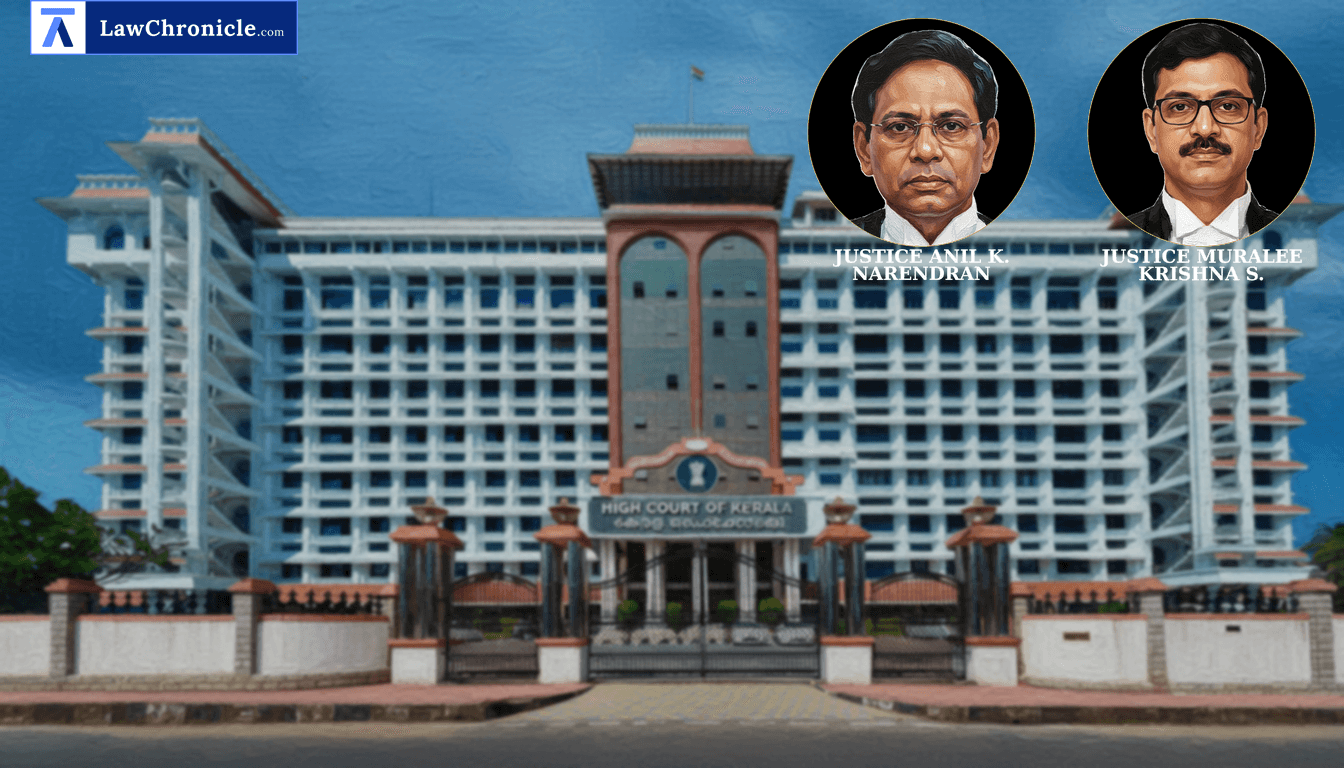
In a decisive affirmation of constitutional safeguards, the Kerala High Court has quashed a preventive detention order, ruling that an unexplained delay by the Central Government in considering a detenue's representation constitutes a fatal violation of Article 22(5) of the Constitution of India, 1950. The verdict underscores that the independent consideration of a representation by the Union is a mandatory procedural requirement, the breach of which renders the continued detention of an individual legally unsustainable.
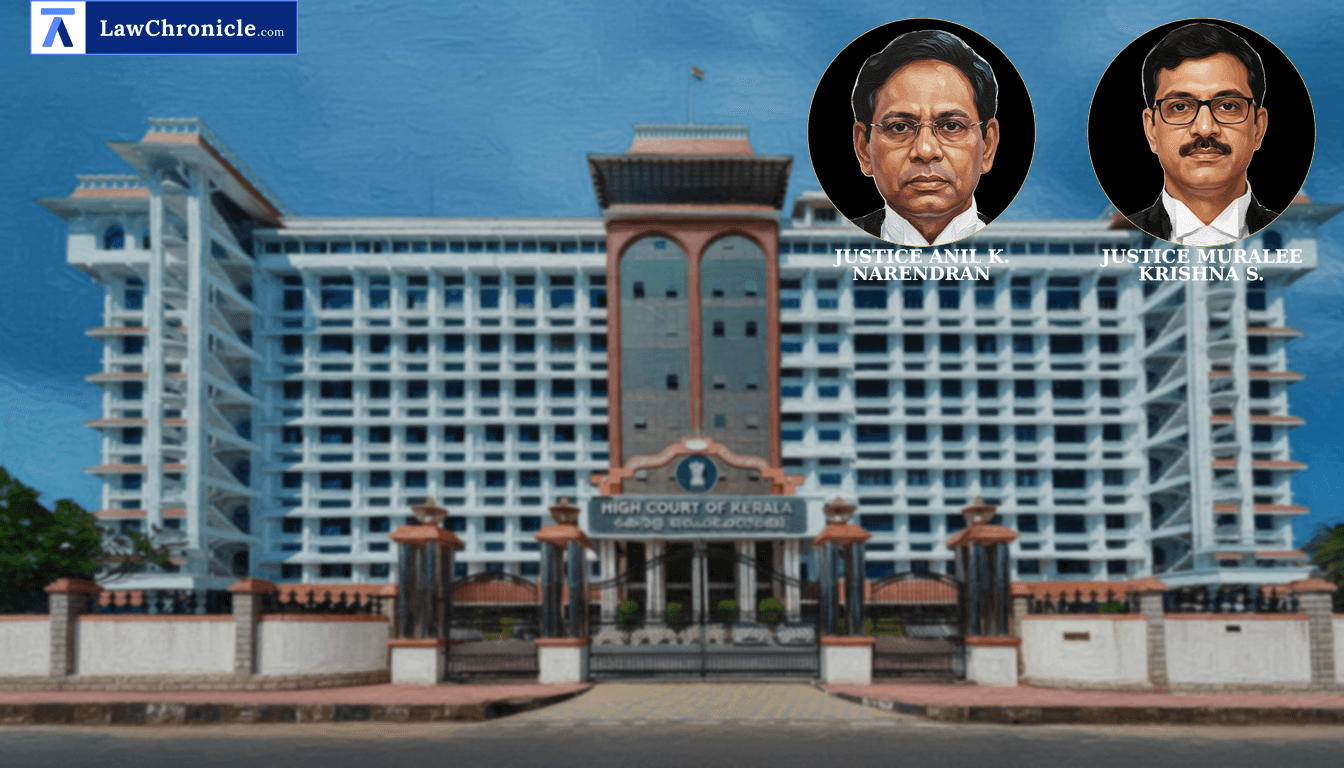
Anil K. Narendran and Muralee Krishna S., JJ., presiding over the matter, emphasized that the liberty of a citizen cannot be curtailed by administrative indifference. The Bench was hearing a writ petition filed by the wife of a detenue held under the Prevention of Illicit Traffic in Narcotic Drugs and Psychotropic Substances Act, 1988, challenging the legality of his one-year detention following his alleged involvement in narcotic offences.
Key Takeaways
Constitutional Primacy over Administrative Delay
Unexplained delay in considering a detenue's representation by the Central Government is not a mere procedural lapse but a violation of fundamental rights that vitiates the entire detention process.
Dual Obligation of the State
The authorities are under a two-fold obligation: to afford the earliest opportunity for representation and to ensure its independent, expeditious consideration, separate from the Advisory Board's proceedings.
Live Link Continuity
While a 43-day gap between bail and the detention order was found not to snap the 'live link' in this specific context, the subsequent failure of the Union to act promptly on the representation was held to be the decisive factor for release.
Judicial Scrutiny of Procedural Lapses
The petitioner contended that a representation submitted to the Central Government on April 18, 2026, was only considered on June 8, 2026, and communicated even later. The Court noted that the Union failed to provide any explanation for this intervening period. The Court, in its reasoning, observed: "It is trite that when a representation is submitted by the detenue to the Central Government, its independent consideration is mandated as expeditiously as possible. The delay in consideration of the representation is a denial of a constitutional safeguard guaranteed to the detenue."
The Court further analyzed the interplay between different precedents regarding whether the Government must wait for the Advisory Board's report. Relying on Pramod Singla v. Union of India ( "2023 SCC Online SC 374": 2023 CaseBase(SC) 836), the Bench clarified that while the Government may wait for the Board, it must still act within the established procedure of law. The Court has following directions:
"In the result, the writ petition is allowed by setting aside the impugned Exts.P1 and P2 orders under challenge in this writ petition. The 7th respondent, Superintendent of Central Jail, Poojapura, is directed to release the detenue Shafeeque K. forthwith, if his detention is not required in connection with any other case."
Ratio
An unexplained or inordinate delay by the Central Government in deciding a representation filed by a detenue under preventive detention laws violates the constitutional mandate of Article 22(5) of the Constitution of India, 1950, rendering the detention void ab initio, regardless of the merits of the underlying criminal allegations.
Background
The dispute arose following the detention of Shafeeque K. under Section 3(1) of the Prevention of Illicit Traffic in Narcotic Drugs and Psychotropic Substances Act, 1988. The authorities had cited three instances involving narcotic drugs, including a final prejudicial activity in 2025 where Hashish oil and Methamphetamine were recovered. Although the detenue secured bail, the screening committee recommended preventive detention to prevent further illicit traffic. The petitioner challenged the orders, citing delays in issuing the order, illegibility of documents, and most critically, the delay in disposal of the representation by the Union of India.
The Court examined several precedents including Dr. Rahamatullah v. State of Bihar ( "(1981) 4 SCC 559": 1981 CaseBase(SC) 46), Golam Biswas v. Union of India, and MST. L.M.S. Ummu Saleema v. B. B Gujaral ( "(1981) 3 SCC 317": 1981 CaseBase(SC) 420). While it rejected arguments regarding the 43-day delay in passing the initial order and the script of documents, it found the 50-day delay by the Central Government in handling the representation to be an inexcusable breach of law. The Bench held that the absence of any explanation from the 1st respondent (Union of India) was sufficient to invalidate the detention. Consequently, the High Court allowed the writ of Habeas Corpus.
Case Details:
Case No.: WP(CRL.) NO. 905 OF 2026
Neutral Citation: 2026:KER:66345
Case Title: FATHIMATH THASNEEM V.K. v. UNION OF INDIA & OTHERS
Appearances:
For the Petitioner(s): SHRI. M.H. HANIS, SMT. T.N. LEKSHMI SHANKAR, SMT. NANCY MOL P., SMT. NEETHU.G. NADH, SHRI. SAHAD M. HANIS, Advocates.
For the Respondent(s): SMT. SANJANA R. NAIR (CGC), SMT. REEHA KHADER (SR. GP), PUBLIC PROSECUTOR, DIRECTOR GENERAL OF PROSECUTION.
Source: 2026 CaseBase(KER) 18584
Similar Articles
 Breaking News


