


Two-Month Delay in Deciding Representation Vitiates Preventive Detention: Jammu & Kashmir and Ladakh HC
 Copy Link
 Share
 Save
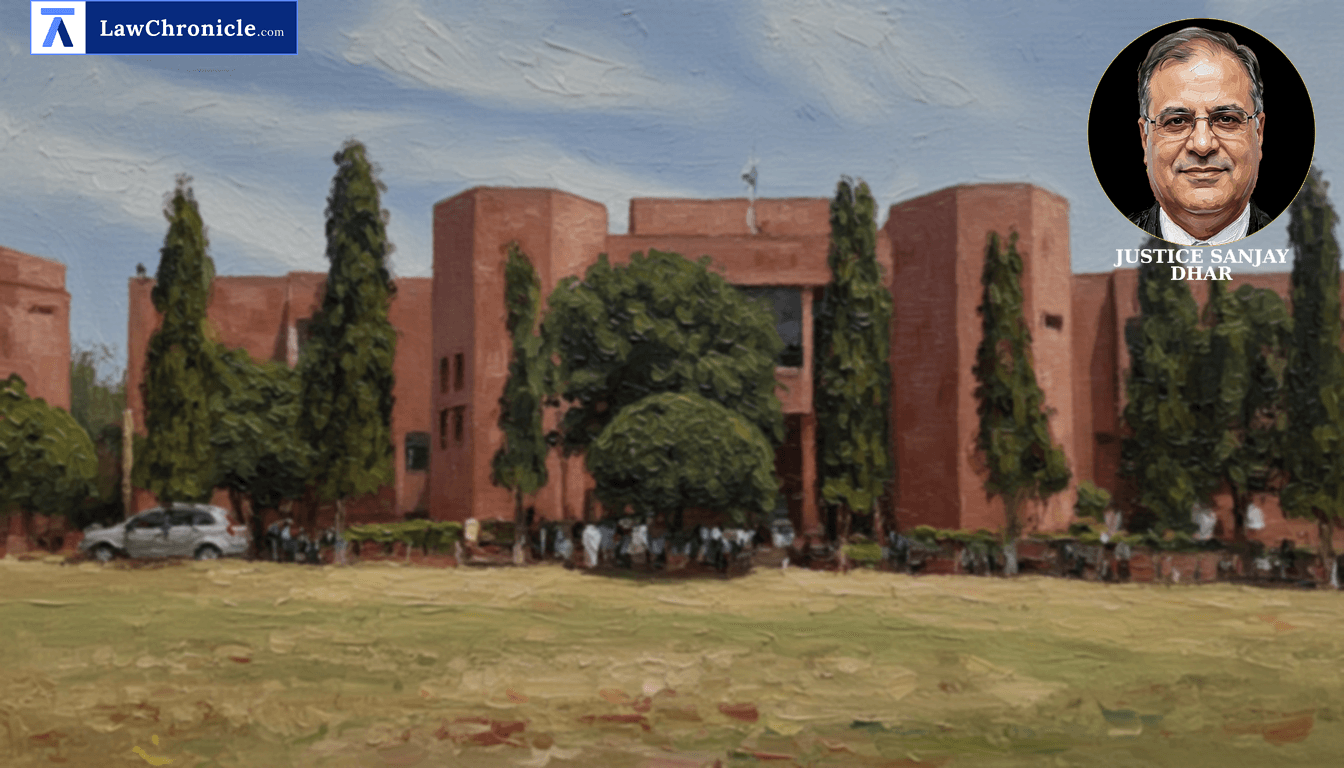
Indolence in processing a detenu's representation strikes at the heart of constitutional guarantees, rendering preventive detention illegal if the state fails to act with a 'sense of immediacy.' The Jammu & Kashmir and Ladakh High Court has quashed a detention order under the Jammu and Kashmir Public Safety Act, 1978, ruling that a five-week unexplained delay by the Detaining Authority in merely forwarding a representation to the Government is a fatal procedural lapse.
Justice Sanjay Dhar, sitting at the Srinagar bench, presided over the petition challenging the detention of a person accused of being a habitual offender. The court scrutinized the administrative timeline, finding that the executive's failure to communicate the rejection of the representation further violated the procedural safeguards enshrined under Article 22(5) of the Constitution of India, 1950.
Key Takeaways
Mandatory Expeditious Consideration
Section 13 of the Jammu and Kashmir Public Safety Act, 1978 imposes a non-negotiable duty on the state to consider a detenu's representation at the earliest opportunity to balance the wide powers of the executive.
Unexplained Delays are Fatal
Administrative slackness, such as holding a representation for five weeks without processing, renders the subsequent detention illegal regardless of the gravity of the allegations.
Right to Informed Rejection
It is not enough for the government to decide on a representation; the result of such a decision must be formally communicated to the detenu to satisfy the requirements of Article 22(5).
Procedural Compliance Over Subjective Satisfaction
While the executive has the power of subjective satisfaction in preventive detention, it cannot bypass the fundamental procedural guarantees provided by the Constitution and relevant statutes.
Executive Slackness and Constitutional Violations
The Court observed that the representation was received by the District Magistrate on March 16, 2026, but was only forwarded to the Government on April 23, 2026. The final rejection occurred on May 19, 2026 a total delay of over two months. The Court emphasized that the law requires a sense of immediacy which was clearly lacking in this case.
The Court, in its reasoning, observed: "Failure to decide the representation of a detenue within a reasonable time in an expeditious manner strikes at the valuable right of a detenue emanating from the provisions of Section 13 of the Jammu and Kashmir Public Safety Act... This slackness on the part of the respondents to take a decision on the representation of the petitioner renders impugned order of detention illegal."
Furthermore, the Bench relied on the precedent set in Sarabjeet Singh Mokha v District Magistrate, Jabalpur and others ( "(2021) 20 SCC 98": 2021 CaseBase(SC) 407) to underscore that the failure to communicate the rejection to the detenu is a relevant factor in determining if constitutional protections were violated.
The Court has following directions:
"The instant petition is allowed, and the impugned order of detention is quashed. The detenue/petitioner is directed to be released from the preventive custody forthwith, provided he is not required in connection with any other case."
Ratio
Any delay in disposing of a representation against preventive detention, or a failure to communicate the rejection of such representation to the detenu in a time-bound manner, constitutes a violation of the procedural safeguards under Article 22(5) of the Constitution and Section 13 of the Public Safety Act, thereby vitiating the detention order.
Background
The petitioner, Baldev Raj, was detained via an order dated February 6, 2026, issued by the District Magistrate, Jammu, to prevent him from acting in a manner prejudicial to public order. The authorities cited 14 FIRs involving illicit trafficking of narcotic drugs and liquor as the basis for detention, arguing that ordinary criminal law was insufficient to deter him. The petitioner challenged this on several grounds, including the non-consideration of his representation and the fact that 5 out of the 14 FIRs had already culminated in proceedings, a fact allegedly suppressed from the Detaining Authority.
The State contended that all procedural safeguards under Article 22(5) were followed and that the petitioner was a habitual criminal. However, the Court found the administrative record lacked any evidence that the rejection of the petitioner's representation was ever communicated to him, and the five-week delay at the District Magistrate's level remained unexplained. Consequently, the Court allowed the petition and ordered the immediate release of the detenu.
Case Details:
Case No.: HCP No. 45/2026
Neutral Citation: 2026:JKLHC-JMU:2958
Case Title: Baldev Raj th. wife Bholi Devi v. U. T. of J&K and others
Appearances:
For the Petitioner(s): Mr. Prince Khanna, Adv.
For the Respondent(s): Mr. Pawan Dev Singh, Dy.AG
Source: 2026 CaseBase(JK) 874
Similar Articles
 Breaking News


