


Defendant Cannot Resile From Admissions Post-Trial Through Amendment: Bombay HC
 Copy Link
 Share
 Save
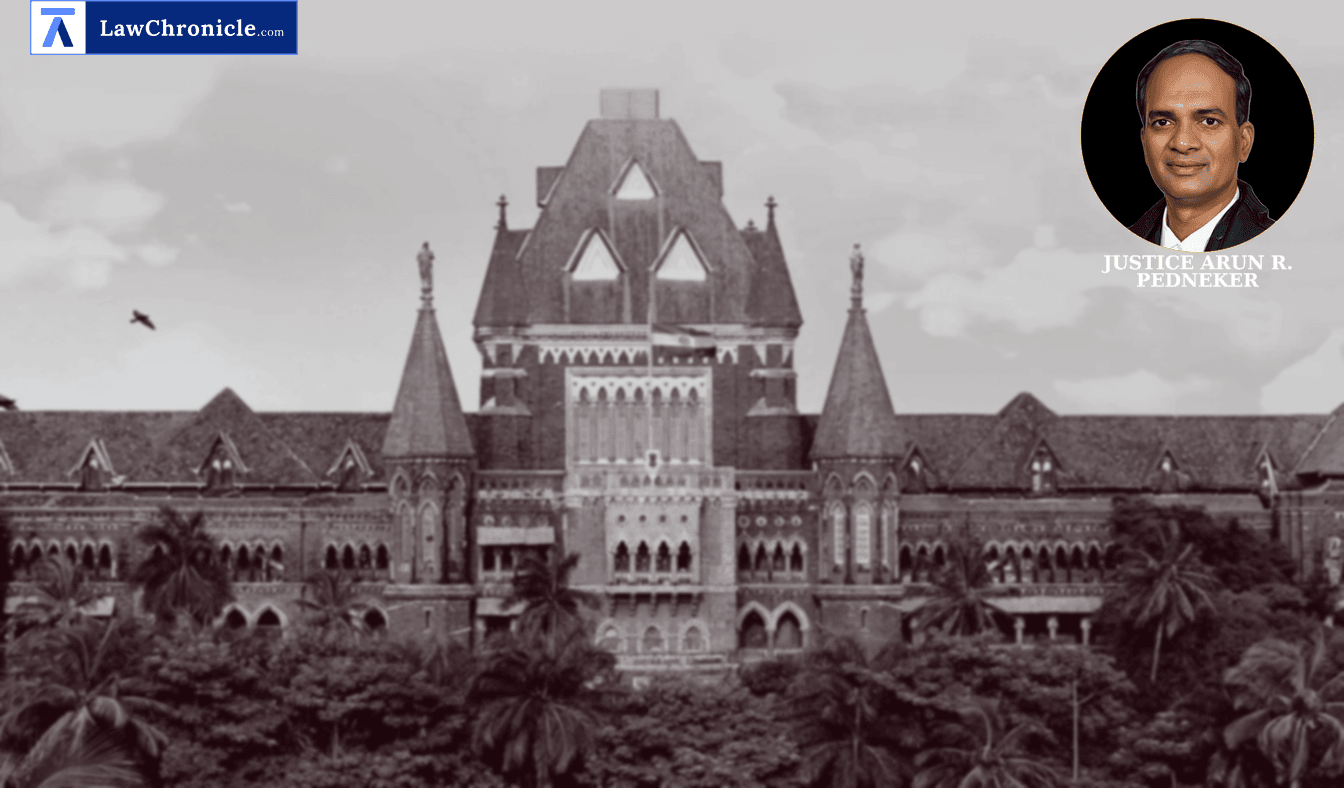
The Bombay High Court has restricted the attempts by litigants to withdraw clear admissions in pleadings after the commencement of trial, ruling that subsequent explanations for own-life events do not satisfy the mandatory 'due diligence' test. In a significant victory for procedural finality, the Bench held that a defendant cannot be permitted to alter their original stand by introducing facts already within their personal knowledge once the trial has reached the evidence stage.
Justice Arun R. Pedneker presided over the matter, examining the limits of a Trial Court’s discretion to allow amendments to a Written Statement under the Code of Civil Procedure, 1908. The Bench was hearing a challenge against an order by the Small Causes Court at Mumbai which had permitted a tenant to introduce new facts regarding her residence in Bangalore to counter documents produced by the landlords.
Key Takeaways
Due Diligence is Jurisdictional
Trial courts cannot allow amendments after the trial has commenced without a specific finding that the party could not have raised the matter earlier despite exercising due diligence.
Admissions are Irretrievable
A defendant may raise inconsistent pleas but is strictly prohibited from withdrawing or resiling from admissions made in the original Written Statement that create a legal advantage for the plaintiff.
Personal Knowledge Bar
Facts pertaining to a party's own life, such as marriage, residence, or medical history, are presumed to be within their personal knowledge and cannot be introduced at a belated stage as 'newly discovered' information.
Court Observations and Directions
The Bombay High Court observed that the Respondent sought to explain documents showing her Bangalore residence only after the Plaintiffs produced them in evidence. However, since these facts related to the Respondent's own marriage and residence dating back to 1981, they were not 'subsequent events' but facts suppressed in the original pleading. The Bench noted that the amendment would cause 'irretrievable prejudice' to the Plaintiffs by depriving them of the benefit of the original admission.
The Bombay High Court explained the legal standing that “The Defendant cannot contend that she was taken by surprise by the documents produced by the Plaintiffs when the facts sought to be introduced relate to events in her own life and were within her personal knowledge... the requirement of due diligence under the proviso of Order VI Rule 17 of the Code of Civil Procedure, 1908, necessarily comes into play and has to be considered, as it is a jurisdictional fact that must be established before an amendment can be permitted after commencement of the trial.”
Ratio
Under Order VI Rule 17 of the Code of Civil Procedure, 1908, once a trial has commenced, the requirement of 'due diligence' is a jurisdictional fact. A court cannot permit an amendment that seeks to withdraw an admission or displace the plaintiff from a benefit secured by such admission, especially when the facts sought to be introduced were within the personal knowledge of the party at the time of filing the original pleading.
Background
The dispute originated from a suit filed under Section 16(1)(n) of the Maharashtra Rent Control Act, 1999 by landlords seeking possession of a Tardeo property on the ground of non-user by the tenant. The tenant, in her original Written Statement filed in 2022, claimed she had resided in the Mumbai suit premises continuously from birth. However, during the trial, the landlords produced documents including a Writ Petition No. 14901 of 2019 order and corporate records showing her residence in Bangalore.
In early 2026, the tenant moved an amendment application to explain that she lived in both cities, detailing her 1981 marriage and hospitalization in Bangalore. While the Trial Court allowed the amendment, the Bombay High Court set it aside, relying on precedents like Modi Spinning & Weaving Mills Co. Ltd. And Another vs. Ladha Ram & Co. and Vidyabai and others vs. Padmalatha and another ( "(2009) 2 SCC 409": 2008 CaseBase(SC) 9) to emphasize that the liberal approach for amendments vanishes once the trial begins. The Bombay High Court concluded that the tenant's failure to disclose these personal details earlier constituted a lack of due diligence.
Case Details:
Case No.: WRIT PETITION NO. 13878 OF 2026
Neutral Citation: 2026:BHC-AS:44827
Case Title: Dr. (Mrs.) Gulshan Darius Dastur & Ors. V. Mrs. Pervin Adil Jassawala
Appearances:
For the Petitioner(s): Sr. Adv. Gaurav Joshi a/w. Adv. Piyush Raheja a/w Adv. Sahil Gandhi a/w. Adv. Kajol Punjabi Adv. Darshil Desai i/b. Markand Gandhi & Co.
For the Respondent(s): Adv. Nirav Barot
Source: 2026 CaseBase(BOM) 7150
Similar Articles

 Breaking News


