


Derogatory Utterances Against Women In Workforce Constitute Grave Misconduct: Bombay HC
 Copy Link
 Share
 Save
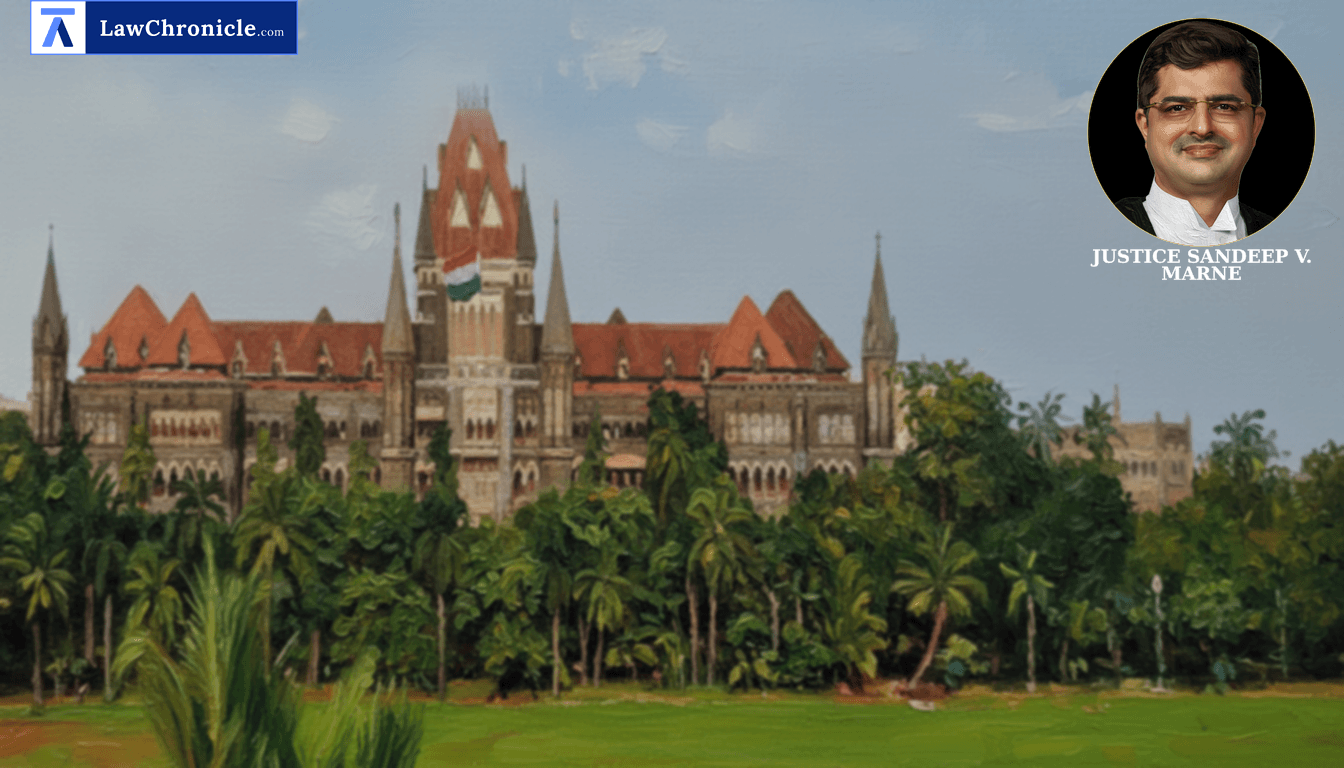
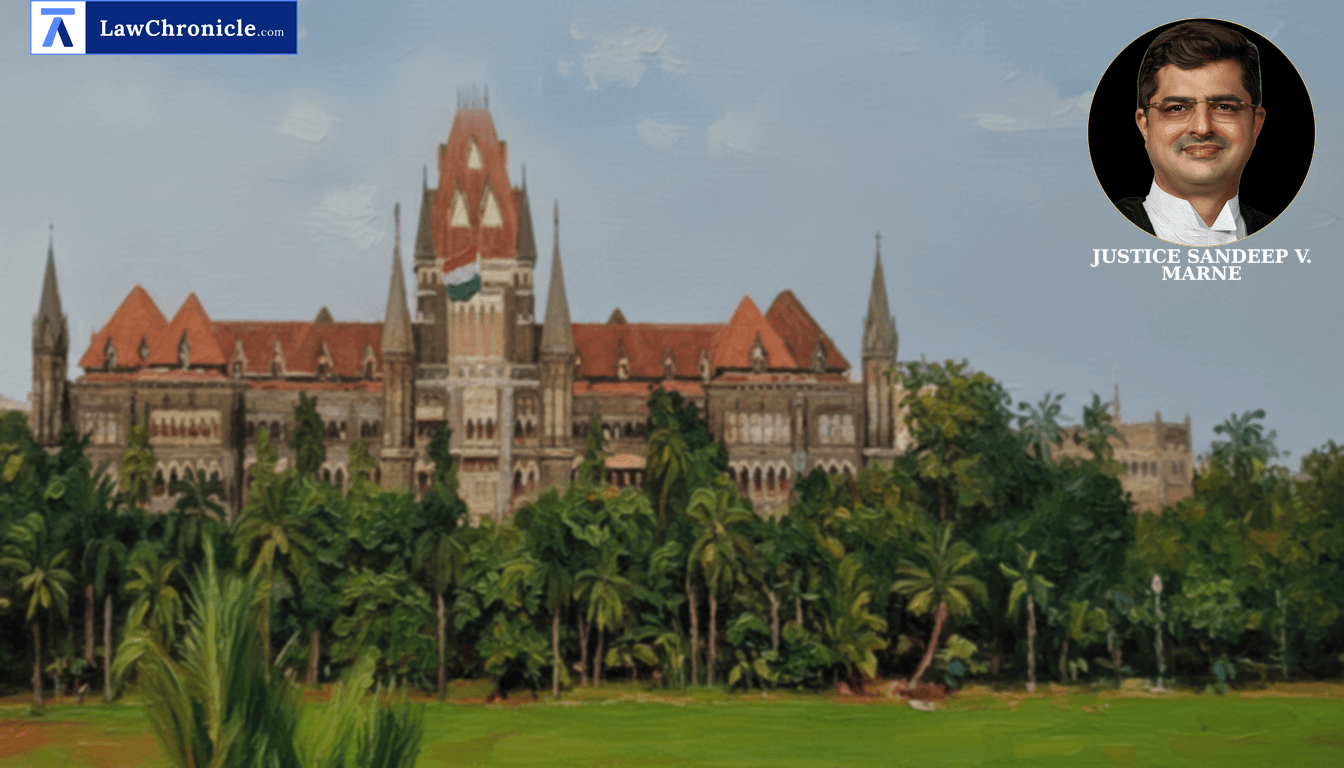
The Bombay High Court held that an employee making vulgar and disparaging utterances towards the very community they are employed to serve constitutes grave misconduct, justifying dismissal without the need for additional compensation.
Justice Sandeep V. Marne, presiding over the matter, set aside an Industrial Court order that had granted compensation to a terminated driver despite findings of verbal abuse and derogatory language against women. The Court emphasized that such tendencies must be dealt with an "iron hand" to maintain organizational discipline.
Industrial Court Erred in Reappreciating Evidence in Revisional Jurisdiction
The High Court observed that the Industrial Court exceeded its jurisdiction under Section 44 of the Maharashtra Recognition of Trade Unions and Prevention of Unfair Labour Practices Act, 1971 by acting as an appellate body. It noted that the Industrial Court's decision to disregard witness testimony based on minor discrepancies or familial relationships with management was legally flawed. The Bench clarified that the standard of proof in a domestic enquiry is the "preponderance of probability" rather than proof beyond reasonable doubt.
The Court, in its reasoning, observed: "Small discrepancies in depositions of witnesses cannot be a ground for disbelieving in deposition of witnesses. Such discrepancies do not make out a case of perversity. It is not necessary in a domestic enquiry that there must be corroboration in evidence led by all the witness. The Industrial Court has committed a grave error in giving important to one small inconsistency between depositions of the two witnesses... Sufficiency of evidence in proof of the finding by a domestic tribunal is beyond scrutiny."
Precedents on Domestic Enquiries and Judicial Review
In reaching its conclusion, the High Court relied on established principles laid down by the Supreme Court. Referring to State of Haryana and Anr. Vs Rattan Singh ( "(1977) 2 SCC 491": 1977 CaseBase(SC) 199), the Court reiterated that technical rules of the Indian Evidence Act do not apply to domestic enquiries and that courts should only interfere if there is a total absence of evidence. Furthermore, citing Kuldeep Singh vs. Commissioner of Police and Ors., the Court noted that while judicial review under Article 227 of the Constitution of India is available, it cannot be used to sit in appeal over the findings of a disciplinary authority unless those findings are perverse or unsupported by any legal evidence.
The Misconduct and Court Directions
The Court noted that the employee had used extremely offensive language towards the women and daughters of the Koli community in the presence of others. The Court remarked that since the driver was employed for the benefit of this community, such behavior indicated a mindset that could not be rewarded with compensation. The Court found that the Respondent had become an "element of terror," even threatening the Enquiry Officer, leading to a police complaint.
The Court has the following directions:
"(i) Judgment and order dated 7 January 2021 passed by Member, Industrial Court, Thane in Revision Application (ULP) No. 75 of 2015 is set aside.
(ii) Judgment and order of Labour Court dated 3 August 2015 dismissing Complaint (ULP) No. 25 of 2007 is upheld."
Background:
The dispute arose when the Petitioner, a cooperative society for fishermen, terminated the Respondent, who was employed as a driver since 2001. The chargesheet issued in November 2006 alleged three instances of misconduct: endangering the safety of fish cargo, refusing to transport fish resulting in financial loss, and using unparliamentary and derogatory language against the Vice Chairman and women of the Koli community on October 14, 2006.
Due to alleged threats against the Enquiry Officer, no formal enquiry was held, and the society terminated his services on January 11, 2007. The Labour Court initially dismissed the employee's complaint, holding the charge of verbal abuse as proven and sufficient for dismissal. However, the Industrial Court reversed this in revision, awarding Rs. 5 lakhs as compensation while denying reinstatement. The High Court ultimately restored the Labour Court's decision, finding the dismissal justified given the gravity of the misconduct.
Case Details:
Case No.: WRIT PETITION NO. 5003 OF 2021
NeutralCitation: 2026:BHC-AS:24292
Case Title: Uttan Machimar and Vahatuk Sahakari Society Ltd. and Anr. V/s. Nitin Jaywant Mhatre
Appearances:
For the Petitioner(s): Mr. Prashant Mohite with Mr. Kishor G. Pashte
For the Respondent(s): Mr. Rajendra Jain with Mr. Pranil Lahigade i/b Mr. Prashant Goyal
Source: 2026 CaseBase(BOM) 236
Similar Articles
 Breaking News


