


High Court Directions Mandating Routine Medical Age Tests in POCSO Cases Are Set Aside; Age Determination Held Trial-Stage Matter
 Copy Link
 Share
 Save
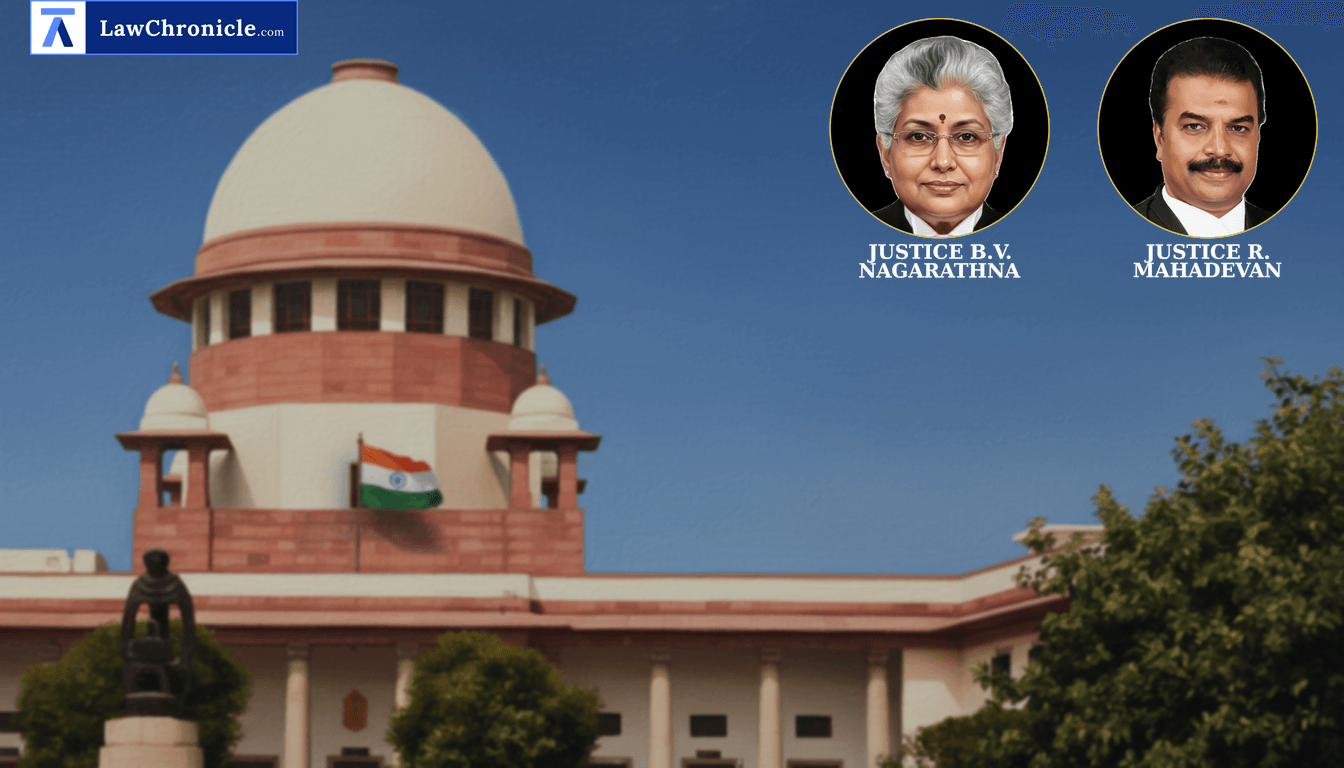
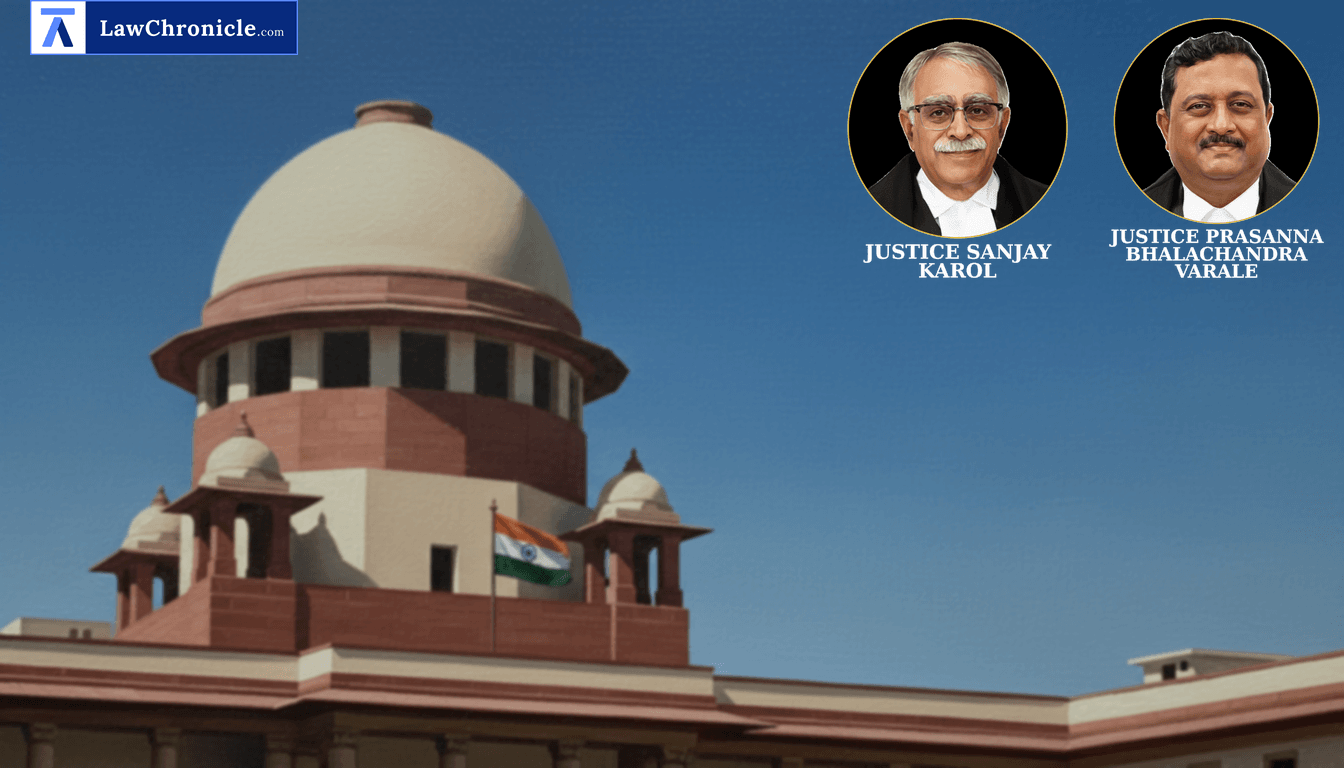
A bench of Justices Sanjay Karol and Nongmeikapam Kotiswar Singh of the Supreme Court heard an appeal by the State of Uttar Pradesh challenging a May 29, 2024 Allahabad High Court order that granted bail to an accused and issued directions requiring medical age-determination reports at the commencement of investigations in all POCSO cases. The question before the Court was whether the High Court, while exercising jurisdiction under Section 439 CrPC in bail proceedings, could issue such sweeping investigational directions and mandate medical age tests.
The Supreme Court allowed the appeal and set aside the impugned directions. It held that the High Court, while empowered to decide bail, had transgressed its statutory jurisdiction by issuing broad directions binding investigating authorities and trial courts across the State. The Court observed that determination of the victim’s age under the statutory scheme was primarily a matter for trial or for the fora prescribed under the Juvenile Justice (Care & Protection) Act, 2015 and not a step to be mechanically mandated in every POCSO investigation by a bail court. The Court emphasised that a bail court may take a prima facie view from the documents on record but “cannot conduct a mini trial” to finally determine age. The Court, in its reasoning, observed: “The determination of the age of the victim is a matter for trial, and the presumption which is accorded to the documents enumerated under the Section, has to be rebutted there, for that is the appropriate forum to do so, not the bail Court.” The Court also described the High Court’s exercise in this bail jurisdiction as “coram non judice” insofar as it issued general directions beyond its power.
Background The criminal case arose from an FIR dated November 24, 2022 at Kotwali, Orai (Jalaun) alleging abduction of a girl said to be 12 years old; charges included Sections 363, 366 IPC and Sections 7 & 8 of the POCSO Act. The trial court had refused bail. In High Court bail proceedings, the Allahabad High Court directed constitution of a medical board to determine the victim’s age, provisionally accepted a medical report indicating the prosecutrix was above 18, granted bail to the accused and issued directions requiring investigating officers to obtain medical age reports under Section 164A CrPC read with Section 27 POCSO Act at the commencement of every POCSO investigation. The High Court relied on earlier Single Judge decisions (including Aman and Monish) and treated medical age determination as often preferable to documentary records.
On appeal, the Supreme Court analysed Sections 27 POCSO, 164A CrPC and Section 94 of the JJ Act, and reviewed precedents including Abuzar Hossain, Jarnail Singh, Rishipal Singh Solanki, Yuvaprakash and others. The Court held that Section 94 JJ Act supplies the procedure and hierarchy for age determination (matriculation/school records, municipal birth certificate, and only then medical/ossification tests), and that those provisions must be respected. The Court found the High Court erred in fusing constitutional and statutory jurisdiction to enlarge its bail powers and in effectively directing routine medical age testing irrespective of the statutory hierarchy. The impugned directions were set aside; the Supreme Court further held its order would be prospective, declined to disturb bail already granted in the impugned proceedings, and extended the setting-aside to the related Single Judge orders in Aman and Monish to the extent they carried similar directives. The Court directed circulation of the judgment to the Registrar General, Allahabad High Court and disposed of pending applications.
Case Details: Case No.: 2026 INSC 47 Case Title: The State of Uttar Pradesh v. Anurudh & Anr. Appearances: For the Petitioner(s): [Not indicated in the judgment] For the Respondent(s): [Not indicated in the judgment]
Similar Articles
 Breaking News


