


High Court Dismisses Challenge to Disability Pension Where No Service Link Found Between Medical Boards
 Copy Link
 Share
 Save
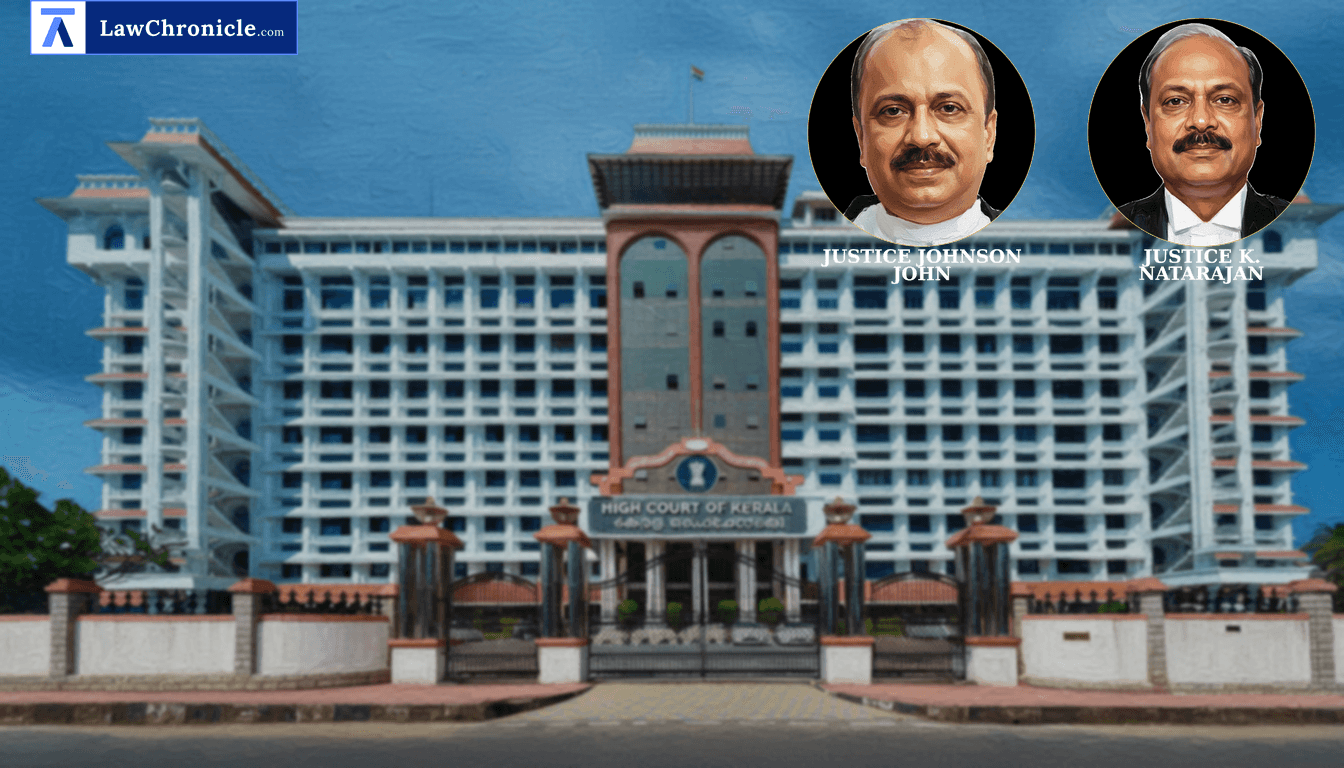
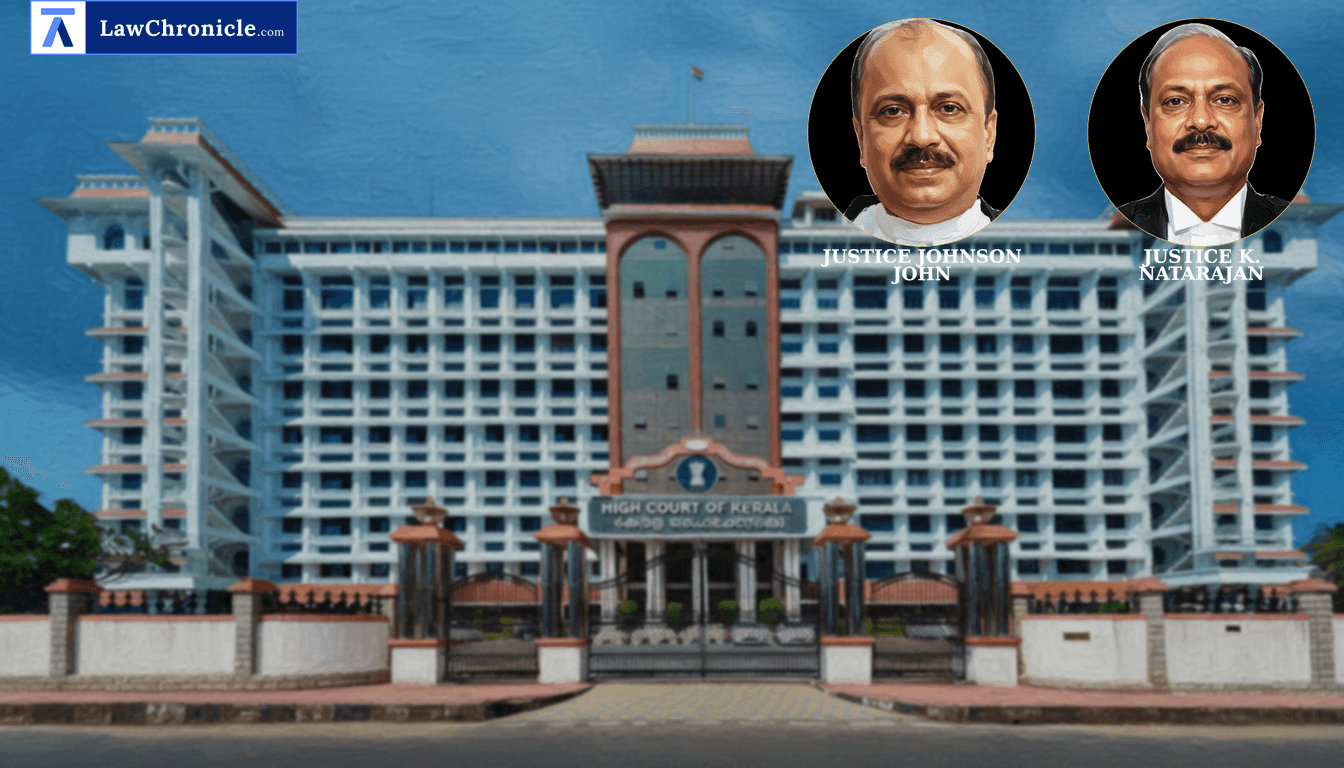
A bench of Justice K. Natarajan and Justice Johnson John heard a writ petition under Article 226 challenging the denial of disability pension to a retired soldier who was invalided out of service in 1976. The petitioner contested orders of the Armed Forces Tribunal and denial of pension by pension authorities following differing findings of the Release Medical Board and a much later Re-assessment Medical Board.
The Court dismissed the writ petition and held that there was no denial of a fundamental right or jurisdictional error warranting interference under Article 226. The judges recorded that the initial Invaliding Medical Board in 1976 had diagnosed “Neurosis (300-b)” and considered it neither attributable to nor aggravated by military service and that the Re-assessment Medical Board, conducted after several decades, diagnosed “Generalised Anxiety Disorder” but did not establish service-attribution. The Court emphasised respect for medical opinion and the difficulty of determining service linkage after long delay, noting that “the entitlement of a soldier to disability pension cannot be determined on the basis of a medical examination conducted after more than 39 years from his date of discharge.” The Court, in its reasoning, observed: "As noticed earlier, as per the findings of the Release Medical Board dated 16.10.1976, the applicant was found suffering from the disability of ‘Neurosis (300 -b)’ and the same was considered as neither attributable to nor aggravated by military service and assessed at 30% for two years. As per the findings of the Re-assessment Medical Board, he is suffering from ‘Generalised Anxiety Disorder’ at 40% lifelong. The findings of the Re-assessment Medical Board dated 04.08.2015 shows that the individual since his invalidment has been functional in socio-occupational spheres, however, he claims to have episodes of anxiety for which he was taking ayurvedic medications. It is stated that the present psychiatric evaluation did not reveal persistent and pervasive anxiety symptoms clinically. The report shows that in view of anxious, avoidant and negative personality traits on psychometry, he was given the benefit of psychoeducation and psychotherapy aimed at improving coping skills; and that he has been advised to follow up with a Psychiatrist in case of worsening of symptoms. The Re-assessment Medical Board report shows that evaluation at the time of initial admission had revealed domestic stressors in the form of worries about old father’s chronic illness (hemiplegia), divorced elder sister and that after his discharge from service, he worked as a mechanic in a workshop for 2-3 years and thereafter, he was employed in a spare parts shop and subsequently, he started working in his own agricultural land. In the absence of any material to indicate that the disability assessed by the Invaliding Medical Board or in the Re-assessment Medical Board is attributable to or aggravated by military service, it cannot be held that there is any denial of fundamental right or jurisdictional error or error apparent on the face of the record warranting interference under Article 226 of the Constitution of India. In view of the opinion expressed by the medical experts in the initial Medical Board assessment and the Re-assessment Medical Board, we find that the writ petitioner is not entitled to derive the benefit of the presumptions on the basis of Rules 5, 9 and 14 of the Entitlement Rules (supra) and therefore, we find that this writ petition is liable to be dismissed"
Background
The petitioner, Rajendran P., was enrolled on 29.09.1969 and was invalided out of the Army on 13.11.1976 on low medical category. The Release Medical Board dated 16.10.1976 assessed “Neurosis” at 30% for two years and recorded that it was neither attributable to nor aggravated by service. The petitioner challenged non-grant of disability pension before the Armed Forces Tribunal (O.A. No.46/2018), which dismissed the application on 31.08.2022 for want of service-attribution and inordinate delay. The Tribunal had observed that the petitioner could seek re-assessment by a Medical Board but made no direction. A subsequent Re-assessment Medical Board (04.08.2015) assessed “Generalised Anxiety Disorder” at 40% lifelong but did not record evidence tying the disability to military service; its report also recorded long periods of post-discharge socio-occupational functioning and domestic stressors. The petitioner relied on presumptions in Rules 5, 9 and 14 of the Entitlement Rules for Casualty Pensionary Awards, 1982. The respondents relied on medical opinion and Supreme Court authorities holding that medical board opinions on service-attribution deserved respect. The High Court, applying precedent and reviewing the record, found no jurisdictional error or denial of fundamental right and dismissed the petition. No interim relief was granted; the petition was dismissed.
Case Details: Case No.: WP(C) No. 21691 of 2023 Case Title: RAJENDRAN P. v. UNION OF INDIA & ORS. Appearances: For the Petitioner(s): Sri V.K. Sathyanathan; Shri Vinod K.C. For the Respondent(s): Shri P.R. Ajith Kumar; Sri P.R. Anith Kumar
Similar Articles

 Breaking News


