


Trap Cases Preclude Discharge Where Demand And Acceptance Are Prima Facie Proven: Kerala HC
 Copy Link
 Share
 Save
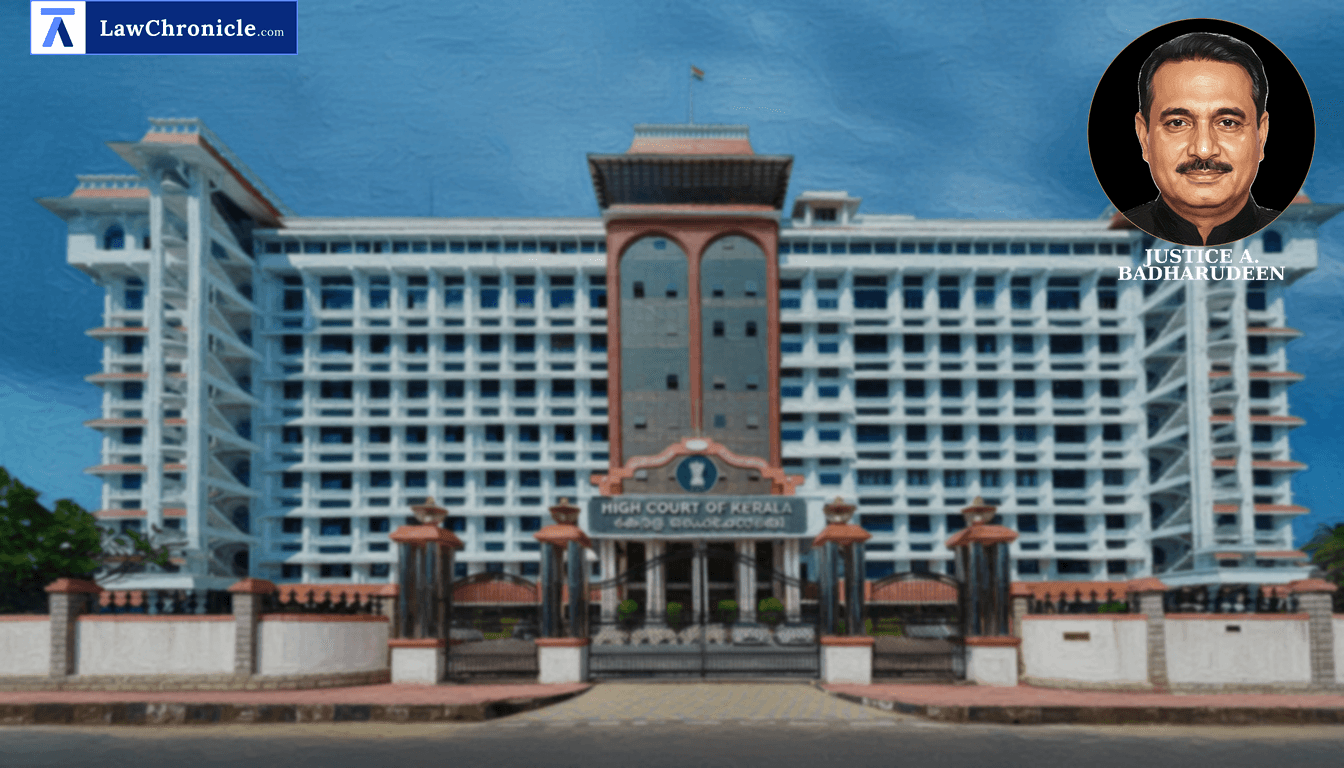
The Kerala High Court has slammed the brakes on attempts by public servants to evade trial in corruption cases through discharge petitions, ruling that being caught red-handed in a trap operation creates a formidable prima facie case that necessitates a full trial. This decision underscores the judiciary's refusal to derail vigilance proceedings when evidence of illegal gratification is corroborated by multiple trap witnesses and immediate arrest.
Justice A. Badharudeen, while hearing a revision petition filed under Section 397 and 401 of the Code of Criminal Procedure, 1973, dismissed the plea of a retired clerk who sought to challenge an order of the Special Judge refusing his discharge. The Court noted that the trial had been significantly delayed since 2021 due to stay orders, emphasizing the need for swift adjudication in corruption matters.
Key Takeaways
Red-Handed Arrest Bars Discharge
Public servants caught during a recovery or trap operation cannot seek discharge if the prosecution presents prima facie evidence of demand and acceptance of illegal gratification.
Limits of Revisionary Jurisdiction
High Courts will not interfere with a Special Judge's refusal to discharge an accused if the record indicates sufficient grounds for proceeding with the trial, particularly in trap-based cases.
Strict Timelines for Corruption Trials
Reflecting a zero-tolerance policy for procedural delays, the Court issued a time-bound directive to conclude a trial that has been pending for over a decade within three months.
Court Observations on Demand and Acceptance
The Court scrutinized the prosecution's allegations that the accused, while serving as a U.D. Clerk, demanded and accepted ₹2,000 from a complainant to reduce undervaluation fees for a registered document. Despite the petitioner's argument that there was no evidence of demand or acceptance, the Court found the material on record sufficient for trial.
The Court, in its reasoning, observed: "In a case where the revision petitioner has been arrayed as an accused on arresting him as part of trap while demanding and accepting illegal gratification, along with the bribe money, the plea of discharge is totally unsustainable, as rightly found by the special judge. In such a case, the learned Special Judge is right in dismissing the application and accordingly, the order impugned is liable to be confirmed."
The Court has following directions:
"The learned Special Judge, Kollam, is specifically directed to expedite trial of this case and dispose of the same within a period of three months from the date of receipt of a copy of this order. Registry is directed to forward a copy of this order, along with the records of the special court, if any, pending before this Court, within seven days, to the Enquiry Commissioner and Special Judge, Kollam, without fail and report compliance."
Ratio
A plea for discharge under the Code of Criminal Procedure, 1973 is legally unsustainable in cases where the accused was apprehended red-handed during a trap operation with the bribe money, provided the prosecution records contain statements from trap witnesses establishing a prima facie demand and acceptance of illegal gratification under the Prevention of Corruption Act, 1988.
Background
The case originated from a 1999 vigilance operation where the first accused (District Registrar) and the second accused (U.D. Clerk) were alleged to have conspired to obtain illegal gratification. The prosecution alleged that on 12.02.1999, the revision petitioner accepted ₹2,000 on behalf of himself and the first accused. Charges were framed under Sections 7 and 13(1)(d) read with 13(2) of the Prevention of Corruption Act, 1988 and Section 34 of the Indian Penal Code.
The revision petitioner approached the High Court challenging the January 2021 order of the Enquiry Commissioner and Special Judge, Thiruvananthapuram, which had negatived his plea for discharge. The petitioner contended that the essential ingredients of the Prevention of Corruption Act, 1988 were missing. However, the High Court, referring to the statements of witness Nos. 3, 4, and 9 who participated in the trap, held that there was enough evidence to proceed, dismissed the revision, and vacated the stay on the trial.
Case Details:
Case No.: CRL.REV.PET NO. 124 OF 2021
Neutral Citation: 2026:KER:74443
Case Title: R. Vijayakumar v. State of Kerala
Appearances:
For the Petitioner(s): Sri. Geo Paul, Sri. C.R. Pramod, Sri. S. Ashok Kumar, Shri. Jacob George Pallath, Shri. C.B. Gautham, Shri. Harikrishnan A.S., Shri. Akshai. K.R., Smt. Mariyam Mathews (Advocates)
For the Respondent(s): Sri. Biju K (Sr. Public Prosecutor)
Source: 2026 CaseBase(KER) 23363
Similar Articles

 Breaking News


