


Writ Jurisdiction Cannot Be Invoked To Resolve Contractual Civil Disputes: Tripura HC
 Copy Link
 Share
 Save
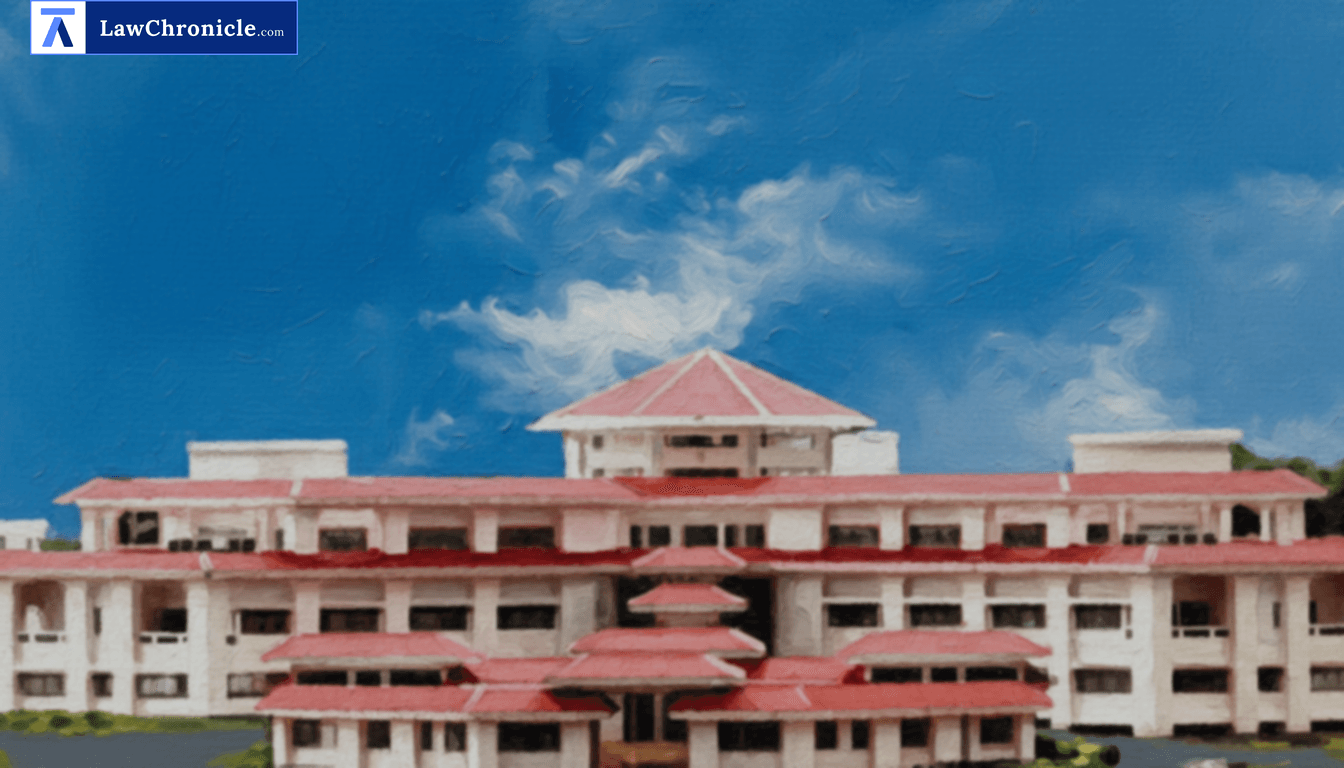
The High Court of Tripura has slammed the door on using writ jurisdiction as an 'arm twisting method' to resolve purely contractual disputes, asserting that disputed questions of fact and money recovery must be adjudicated through civil courts rather than Article 226 petitions. In a decisive stance against bypass of procedural law, the Court ruled that the availability of an effective alternative remedy in civil law remains a bar to seeking extraordinary reliefs for commercial grievances.
Justice Dr. T. Amarnath Goud presided over the matter, hearing a challenge where a contractor sought the release of outstanding bills and security deposits after being acquitted in criminal cases related to the transport of food grains. The Court examined whether a writ of mandamus could be issued against the State for the payment of admitted dues and the return of financial instruments like FDRs and reinvestment certificates.
Court Rejects Parallel Remedy After Dismissal of Money Suit
The petitioner, a carrying contractor for the Food, Civil Supplies & Consumer Affairs Department, moved the High Court following the dismissal of his Money Suit by a trial court. Although the respondents had admitted to a portion of the dues in the lower court, the Money Suit was dismissed due to the non-joinder of necessary parties and the personal impleadment of officials in violation of Constitution of India. The petitioner contended that since the State admitted the entitlement of approximately Rs. 4,31,362/-, the High Court should direct the release of funds.
However, the Court noted that the petitioner had already exhausted his primary legal route through the Civil Court. The Court, in its reasoning, observed: "Since the matter pertains to civil dispute and by filing a Money Suit No. 01 of 2020, the petitioner herein sought for reliefs, but the same were denied by the learned trial court by order dated 09.02.2024 and according to this Court, now the petitioner through writ petition cannot claim the aforesaid relief since, the alternative remedy lies before the appropriate Court of law."
Mandamus Inapplicable Where Fundamental Rights Are Not Infringed
Addressing the maintainability of the petition under Constitution of India, the Court emphasized that writ jurisdiction is not a substitute for evidence-based civil adjudication. It highlighted that the dispute was essentially a commercial one involving contractual performance and misappropriation allegations. The Court has the following directions:
"In view of the above, since, it is a civil dispute and involving disputed questions of facts, petitioner is having alternative remedy before the concerned forum, hence the same cannot be entertained under Article 226 of the Constitution of India. For the discussion made above, this Court is not inclined to grant relief as prayed for and the writ petition is liable to be dismissed. Accordingly, the same is dismissed."
Key Takeaways
Writ Jurisdiction Limits
Purely contractual disputes involving disputed questions of fact cannot be adjudicated under Article 226 when alternative civil remedies exist.
Bar on Re-Litigating Denied Civil Reliefs
If a litigant fails to obtain a decree in a Money Suit due to procedural errors (like non-joinder), they cannot subsequently approach the High Court for a writ to recover the same amount.
Arm-Twisting Methods Discouraged
High Courts will resist being used as a forum for debt recovery in private commercial contracts, especially where no fundamental rights are at stake.
Ratio
The Court declared that a writ petition is not maintainable for resolving civil disputes where fundamental rights are not infringed and an effective alternative remedy is available before a Civil Court. Adopting 'arm twisting methods' to bypass the civil process for evidence examination and fact-finding is an improper invocation of the High Court's extraordinary jurisdiction.
Background:
The petitioner, proprietor of 'M/S Swarnamayee Stores', was engaged to carry food grains for the North Tripura District. To secure the contract, he deposited earnest money, FDRs, and reinvestment certificates totaling Rs. 2,73,040/-. Following allegations of misappropriation, FIRs were filed against him, though he was eventually acquitted by the trial court. Seeking the payment of his pending bills and return of deposits, he first filed Money Suit No. 01 of 2020.
The Civil Judge (Senior Division) dismissed the suit on February 9, 2024, noting that while the State admitted some dues, the petitioner had failed to implead the Secretary and Deputy Secretary of the Department in their official capacity, instead suing officials personally in violation of Article 299. Rather than appealing the civil decree, the petitioner approached the High Court. The High Court ultimately dismissed the writ petition, holding it as non-maintainable due to the civil nature of the dispute and the availability of alternative forums for evidence-based resolution.
Case Details:
Case No.: WP(C) No. 490 of 2026
NeutralCitation: 2026:THC:904
Case Title: Shri Mohit Lal Ghosh v. The State of Tripura & Ors.
Appearances:
For the Petitioner(s): Mr. P.Roy Barman, Senior Advocate; Ms. S. Rani Das, Advocate; Mr. Samarjit Bhattacharjee, Advocate; Mr.K. Nath, Advocate; Mr. D. Paul, Advocate; Ms. S. Debbarman, Advocate; Ms. A. Debbarma, Advocate.
For the Respondent(s): Mr. P. Gautam, Sr.G.A.; Mr. Kohinoor N. Bhattacharya, G.A.
Source: 2026 CaseBase(TRI) 19
Similar Articles
 Breaking News


