


High Speed Alone not Proof of Rashness or Negligence: Himachal Pradesh HC
 Copy Link
 Share
 Save
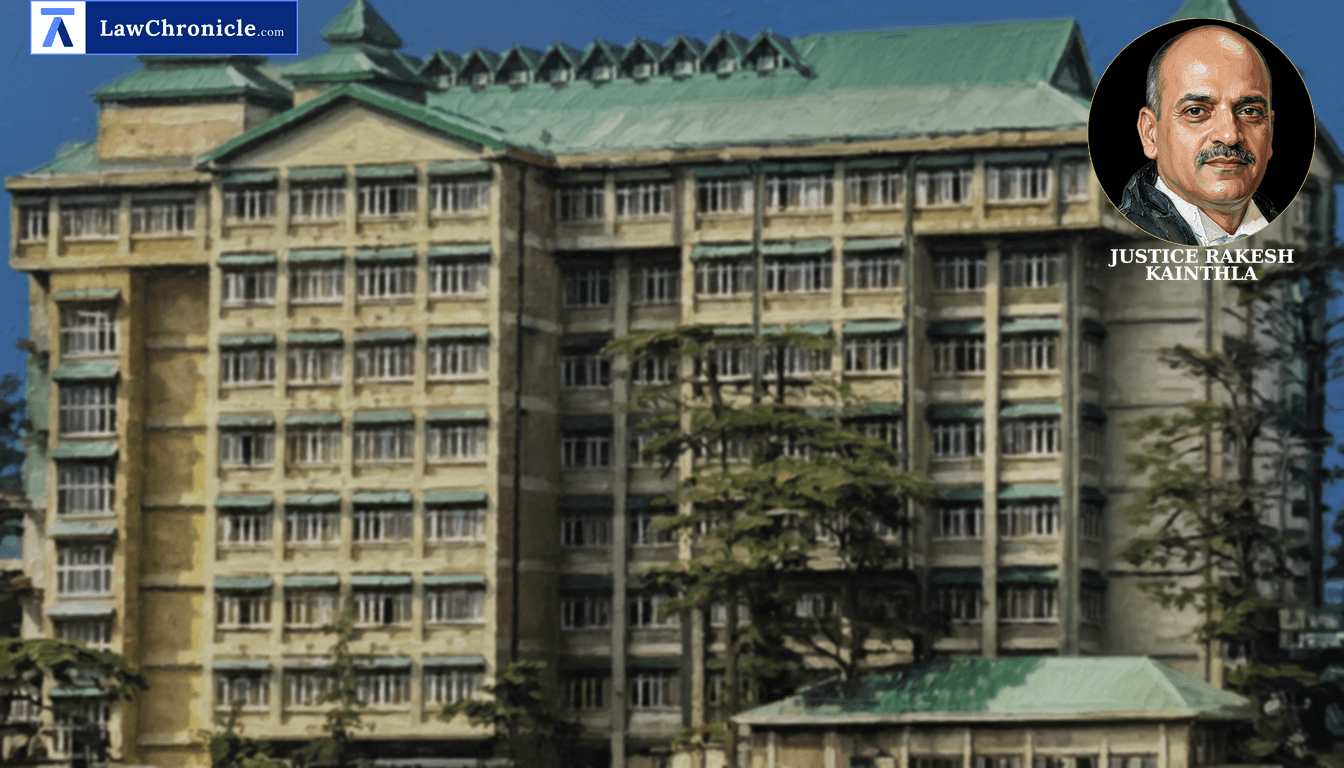
The Himachal Pradesh High Court has reinforced the legal principle that the mere use of terms like 'high speed' by witnesses is insufficient to establish criminal liability for rash and negligent driving without evidence of a breach of duty to take care. This ruling underscores that 'speed' is a relative term and cannot, by itself, justify a conviction under the Indian Penal Code or Motor Vehicles Act.
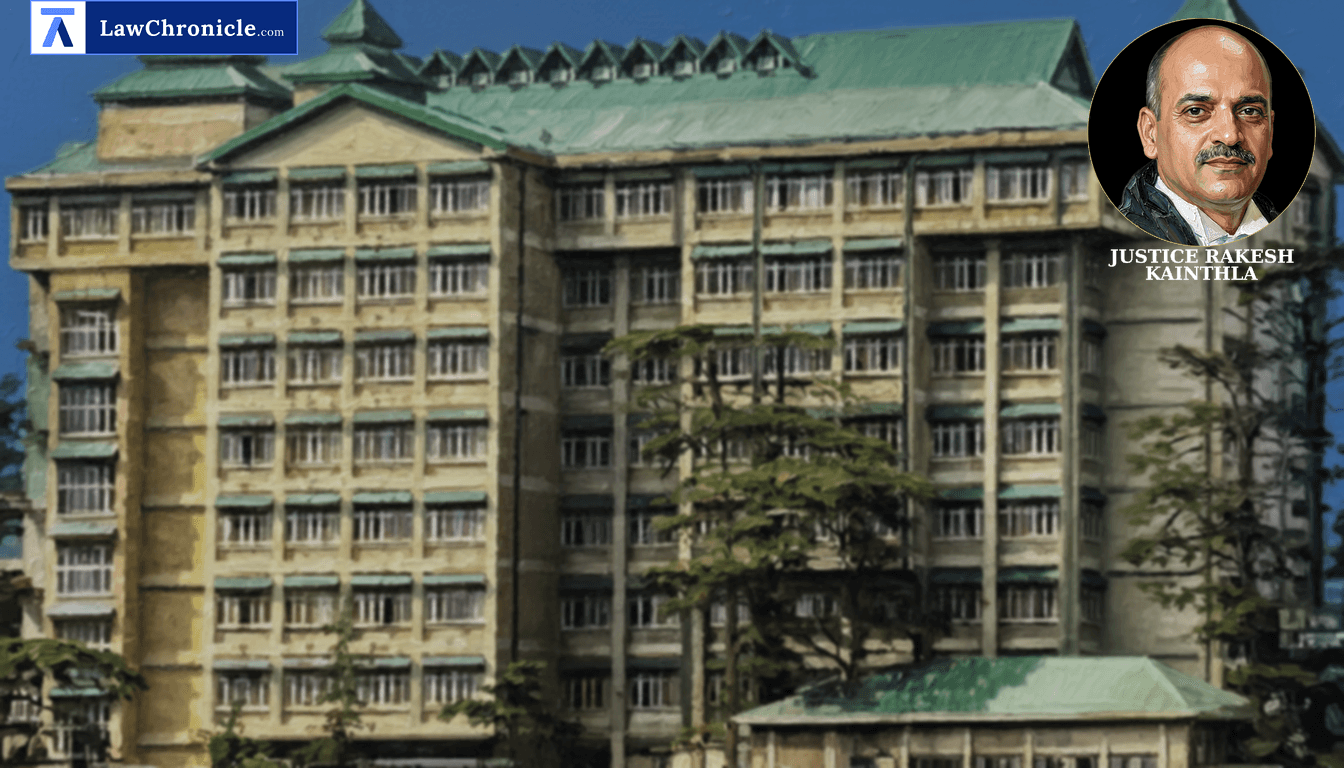
Justice Rakesh Kainthla presided over the appeal filed by the State of Himachal Pradesh against the acquittal of a tractor driver accused of causing a child's death. The Court scrutinized the consistency of eyewitness testimonies and the specific legal requirements for proving negligence in vehicular accidents.
Key Takeaways
Relative Nature of Speed
High speed is a subjective term; prosecution must bring material evidence to show what 'high speed' meant in the specific context of the accident.Negligence as a Judicial Conclusion
Witnesses are only permitted to depose about facts they observed; whether those facts constitute 'negligence' is a legal conclusion to be drawn solely by the Court.Presumption of Innocence Strengthened
An order of acquittal reinforces the presumption of innocence, and appellate courts should not interfere unless the trial court's view is perverse or manifestly illegal.Failure of Res Ipsa Loquitur
Criminality cannot be presumed merely because an accident occurred; the prosecution retains the absolute burden of proving every essential ingredient of the charge.Judicial Scrutiny of Witness Testimonies
The prosecution's case rested on the claim that a child, Abhishek, fell from a tractor and was crushed due to the driver's negligence. However, the Court noted significant contradictions among the witnesses. While some claimed the child was a passenger, others suggested he was running after the vehicle. The Court observed that two supposed eyewitnesses were actually at a distance from the spot when the incident occurred, rendering their accounts unreliable.
The Court, in its reasoning, observed: "Merely because the truck was being driven at a 'high speed' does not bespeak of either 'negligence' or 'rashness' by itself. None of the witnesses examined by the prosecution could give any indication, even approximately, as to what they meant by 'high speed'. 'High speed' is a relative term. It was for the prosecution to bring on record material to establish as to what it meant by 'high speed' in the facts and circumstances of the case."
The Court further relied on Mohanta Lal vs. State of West Bengal and Hollington v. Hawthorn to emphasize that a witness may not express an opinion on whether a party was negligent, as that is the precise question the court must decide.
The Court has following directions:
"In view of the provisions of Section 437-A of the Code of Criminal Procedure (Section 481 of Bhartiya Nagarik Suraksha Sanhita, 2023) the respondent/accused is directed to furnish bail bonds in the sum of ₹25,000/- with one surety in the like amount to the satisfaction of the learned Trial Court within four weeks, which shall be effective for six months with stipulation that in the event of Special Leave Petition being filed against this judgment, or on grant of the leave, the respondent/accused on receipt of notice thereof, shall appear before the Hon’ble Supreme Court."
Ratio
Speed is not a standalone criterion to decide rashness or negligence under Section 279 or 304A of the Indian Penal Code. The prosecution must prove a specific breach of the duty to take care. Furthermore, an appellate court cannot set aside an acquittal simply because a different view of the evidence is possible; the trial court's findings are entitled to great weight unless they are shown to be impossible or perverse.
Background
The incident dates back to December 2006, where the police filed a challan against Rakshpal Singh for offences under Sections 279 and 304A of the Indian Penal Code and various sections of the Motor Vehicles Act. The Trial Court acquitted the accused in 2012, finding that the testimonies were contradictory and that the mere fact of a death does not suffice for a conviction without proved negligence.
The State appealed this decision, citing Sanjay Kumar v. State of Bihar ( "2026 SCC OnLine SC 1373": 2026 CaseBase(SC) 681) and Ghurey Lal v. State of Uttar Pradesh ( "(2008) 10 SCC 450": 2008 CaseBase(SC) 894) regarding the scope of interference in acquittals. The High Court, after reviewing precedents like Mrinal Das v. State of Tripura, State of Karnataka vs. Satish ( "1998 (8) SCC 493": 1996 CaseBase(SC) 2197), and State of H.P. Vs. Madan Lal ( "2003 Latest H.L.J. (2) 925": 2003 CaseBase(HP) 44), concluded that the prosecution failed to establish the exact manner of the accident or the specific rash act of the driver. Consequently, the High Court dismissed the State's appeal, upholding the acquittal.
Case Details:
Case No.: Cr. Appeal No. 150 of 2013
Neutral Citation: 2026:HHC:41998
Case Title: State of H.P. Versus Rakshpal Singh @ Pali
Appearances:
For the Petitioner(s): Mr Ajit Sharma, Deputy Advocate General.
For the Respondent(s): Mr Arun Kaushal, Advocate.
Source: 2026 CaseBase(HP) 9416
Similar Articles
 Breaking News


