


Mere Mention of 'High Speed' Not Enough to Prove Rashness or Negligence: Himachal Pradesh HC
 Copy Link
 Share
 Save
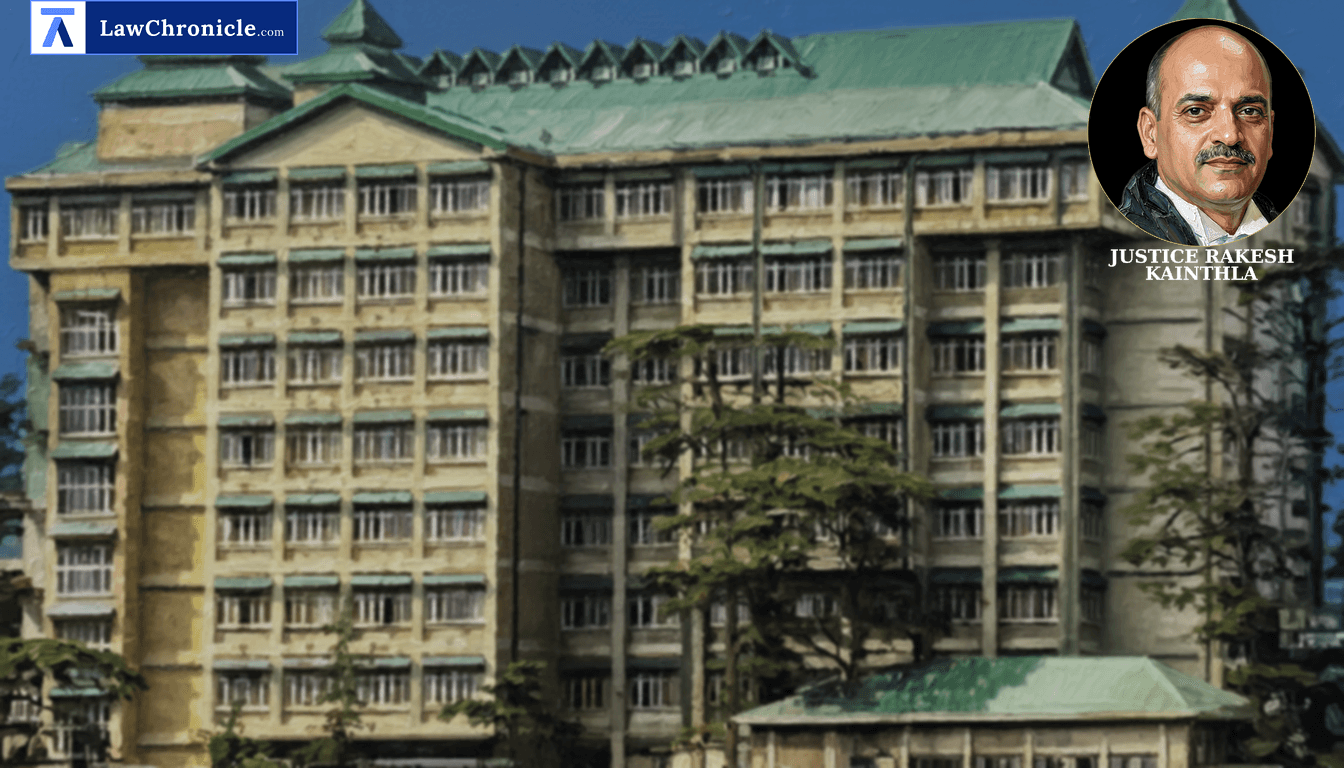
The Himachal Pradesh High Court has reinforced the evidentiary threshold for motor accident convictions, ruling that the mere subjective use of the term 'high speed' by witnesses is insufficient to establish criminal rashness or negligence without objective parameters. Affirming an acquittal, the Court held that the prosecution must prove criminality beyond reasonable doubt rather than relying on the maxim of res ipsa loquitur to presume guilt from the occurrence of an accident.
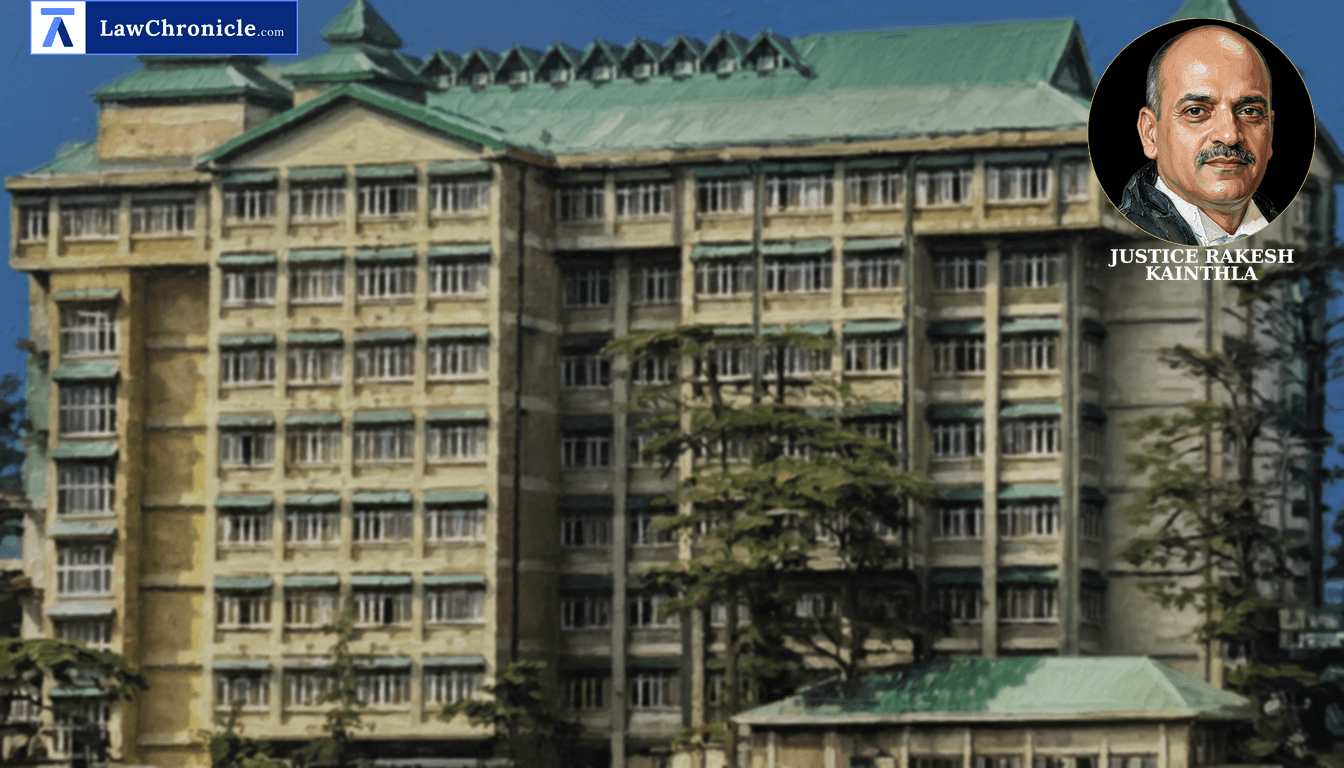
A Single Judge bench of Justice Rakesh Kainthla heard the appeal filed by the State of Himachal Pradesh challenging a 2012 acquittal order. The State contended that the trial court erred in dismissing testimonies of injured witnesses who alleged the accused was driving a pickup at a fast speed and swerved onto the wrong side of the road while overtaking another vehicle on a curve.
Key Takeaways
Speed is Relative
Subjective terms like 'high speed' carry no legal weight unless the approximate speed is elicited to define what the witness understood by the term.
Strict Burden of Proof
Criminality in road accidents cannot be presumed through the doctrine of res ipsa loquitur; the prosecution must bring specific material to establish rashness.
Scope of Acquittal Appeals
Appellate courts will not interfere with a trial court's 'reasonable view' of acquittal even if an alternative interpretation of evidence is possible.
Witness Opinions Irrelevant
Witnesses are permitted only to depose facts they observed; whether those facts constitute 'negligence' is a legal conclusion reserved solely for the Court.
Subjective Testimony vs. Objective Evidence
The Court observed that the informant's testimony regarding damage to the left side of the motorcycle contradicted the initial statement suggesting a right-side impact, making the prosecution's narrative suspect. Furthermore, the Court noted that the site plan and photographs which the witness admitted were taken after moving the vehicles did not support the claim that the road was wide enough for the accused to attempt overtaking another vehicle as alleged.
The Court has following directions:
"In view of the provisions of Section 481 of Bhartiya Nagarik Suraksha Sanhita, 2023, the respondent is directed to furnish bail bond in the sum of ₹50,000/- with one surety of the like amount to the satisfaction of the learned Registrar (Judicial) of this Court/learned Trial Court, which shall be effective for six months with a stipulation that in the event of a Special Leave Petition being filed against this judgment or on grant of the leave, the respondent on receipt of notice thereof shall appear before the Hon'ble Supreme Court."
The Court, in its reasoning, observed: "Merely because the truck was being driven at a 'high speed' does not bespeak of either 'negligence' or 'rashness' by itself. None of the witnesses examined by the prosecution could give any indication, even approximately, as to what they meant by 'high speed'. 'High speed' is a relative term. It was for the prosecution to bring on record material to establish as to what it meant by 'high speed' in the facts and circumstances of the case."
Ratio
The exact rule of law established is that speed alone is not the criterion for judging rashness or negligence under Section 279 of the Indian Penal Code. The prosecution must establish the specific situation and approximate speed to prove a rash act, as criminality cannot be presumed. Furthermore, an appellate court shall not disturb a finding of acquittal unless it is impossible, perverse, or manifestly illegal, ensuring the 'double presumption of innocence' remains intact.
Background
The case originated from an accident on April 17, 2010, involving a motorcycle and a pickup truck. The riders, Vikrant Kumar and Vishal Dhatwalia, alleged the accused, Charan Singh, drove negligently at high speed, causing injuries. The accused was charged under Sections 279 and 337 of the Indian Penal Code. The trial court acquitted the accused in 2012, finding contradictions in witness statements and noting that the defense's version that the pillion rider had extended his arm which hit the pickup's side mirror was more probable.
In dismissing the State's appeal, the High Court relied on Sanjay Kumar v. State of Bihar ( "2026 SCC OnLine SC 1373": 2026 CaseBase(SC) 681) to define the limited scope of interference in acquittals. It also cited Mohanta Lal vs. State of West Bengal and State of Karnataka vs. Satish ( "1998 (8) SCC 493": 1996 CaseBase(SC) 2197) to emphasize that 'high speed' is a relative term and Hollington v. Hawthorn to clarify that a witness's opinion on negligence is irrelevant. The Court concluded that the trial court had taken a reasonable view based on the evidence.
Case Details:
Case No.: Cr. Appeal No. 563 of 2012
Neutral Citation: 2026:HHC:47336
Case Title: State of H.P. Versus Charan Singh
Appearances:
For the Petitioner(s): Mr Pawan Kumar Nadda, Additional Advocate General.
For the Respondent(s): Mr N.S. Chandel, Senior Advocate with M/s Amit Dhumal and Parul Negi, Advocates.
Source: 2026 CaseBase(HP) 11149
Similar Articles
 Breaking News


