


High Speed Not Sole Criterion for Negligence: Delhi HC Upholds Acquittal in DTC Bus Accident Case
 Copy Link
 Share
 Save
The Delhi High Court recently affirmed that the mere allegation of high speed is insufficient to establish criminal rashness or negligence, particularly when ocular testimony contains material contradictions regarding the mechanics of the accident. This ruling came while dismissing the State's appeal against a trial court order acquitting a DTC bus driver in a fatal road accident case.
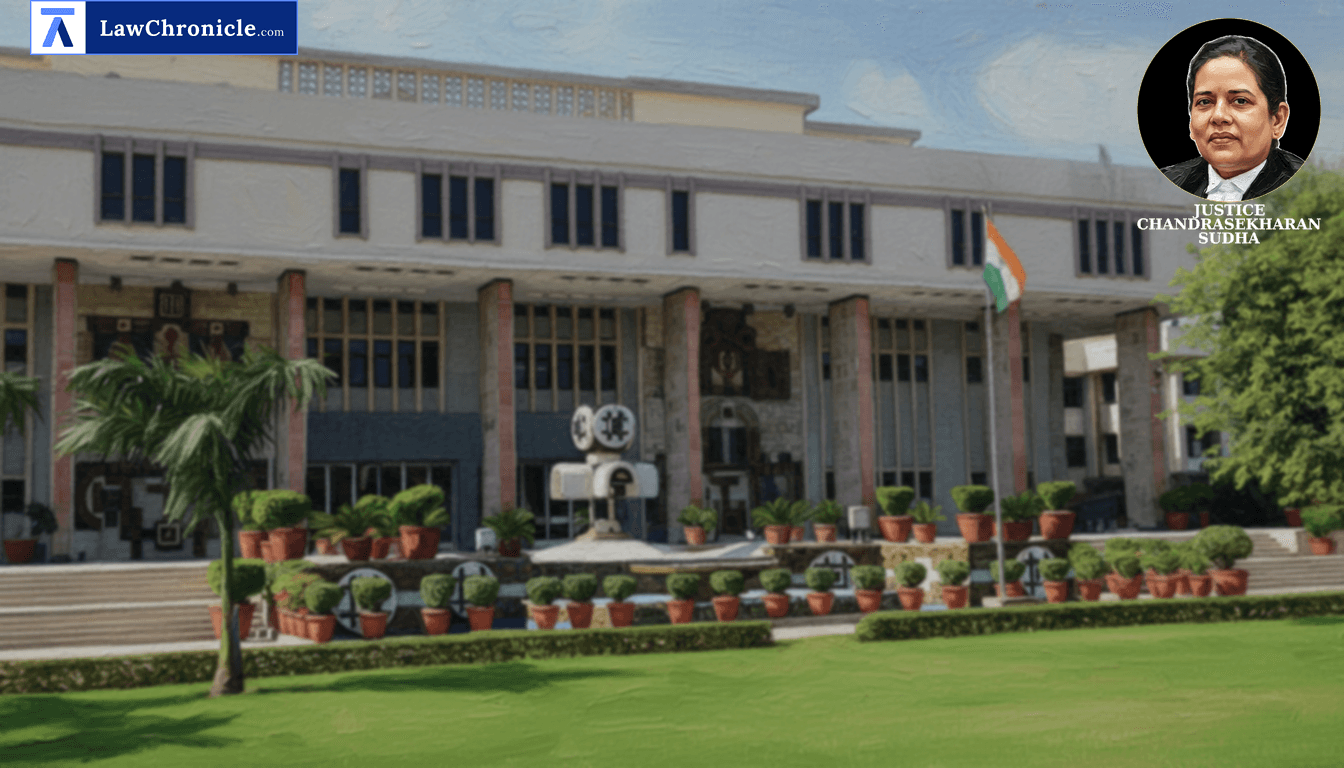
A Single Judge Bench of Justice Chandrasekharan Sudha heard the appeal filed by the State against the acquittal of a bus driver charged under Sections 279, 337, and 304A of the Indian Penal Code, 1860. The Court scrutinized whether the evidence on record was robust enough to overturn the trial court's finding of innocence.
Establishing Criminal Negligence and Rashness
During the proceedings, the Court delved into the essential elements required to sustain a conviction for causing death by negligence. Referencing Naresh Giri v. State of Madhya Pradesh ( "(2008) 1 SCC 791": 2007 CaseBase(SC) 573), the Court noted that Section 304A applies where there is no intention or knowledge that the act would cause death, but the death results directly from a rash or negligent act.
The Court, in its reasoning, observed: "Criminal negligence occurs when there is gross and culpable neglect or failure to exercise the required care and precaution to guard against injury, either to the public generally or to an individual in particular, which, having regard to all the circumstances, was the imperative duty of the accused person to have adopted. In other words, negligence is the omission to do something which a reasonable man, guided upon the considerations which ordinarily regulate the conduct of human affairs, would do, or, the doing of something which a prudent and reasonable man would not do."
Contradictions in Witness Testimony and Site Plan
In analyzing the specific facts, the Court found significant discrepancies between the First Information Statement (FIS) and the oral testimony of the complainant (PW2). While the FIS suggested the bus overtaken the motorcycle from the right and brushed the handle, the testimony in court claimed the bus hit the left handle. The Court found this improbable if the bus was indeed overtaking normally. Furthermore, the site plan prepared by the Investigation Officer placed the accident spot in a 'ganda nala' (drain), a fact supported by neither the prosecution nor the injured witness.
Background:
The case originated from an incident on May 2, 2011, at Main Ring Road, Ashram. The prosecution alleged that the respondent, driving a DTC bus, hit a motorcycle carrying a man, his wife, and their infant son. The wife succumbed to her injuries. The accused maintained his innocence throughout, claiming the motorcycle lost balance while attempting to overtake his bus.
The trial court had acquitted the accused under Section 255(1) of the Code of Criminal Procedure, 1973 on March 5, 2016. The State appealed, arguing that the medical and ocular evidence clearly established the driver's fault. However, the High Court concluded that the prosecution failed to prove its case beyond reasonable doubt due to the lack of independent witnesses and the inconsistent version of events provided by the sole eye-witness. Consequently, the High Court found no infirmity in the trial court's judgment and dismissed the appeal.
Case Details:
Case No.: CRL.A. 409/2017
Case Title: STATE v. BHAGAT SINGH
Appearances:
For the Petitioner(s): Mr. Utkarsh, APP for the State.
For the Respondent(s): None.
Source: 2026 CaseBase(DEL) 370
Similar Articles
 Breaking News


