


Madhya Pradesh HC Rejects Writ Intervention In Contractual Row Over Industrial Plot Allotment
 Copy Link
 Share
 Save
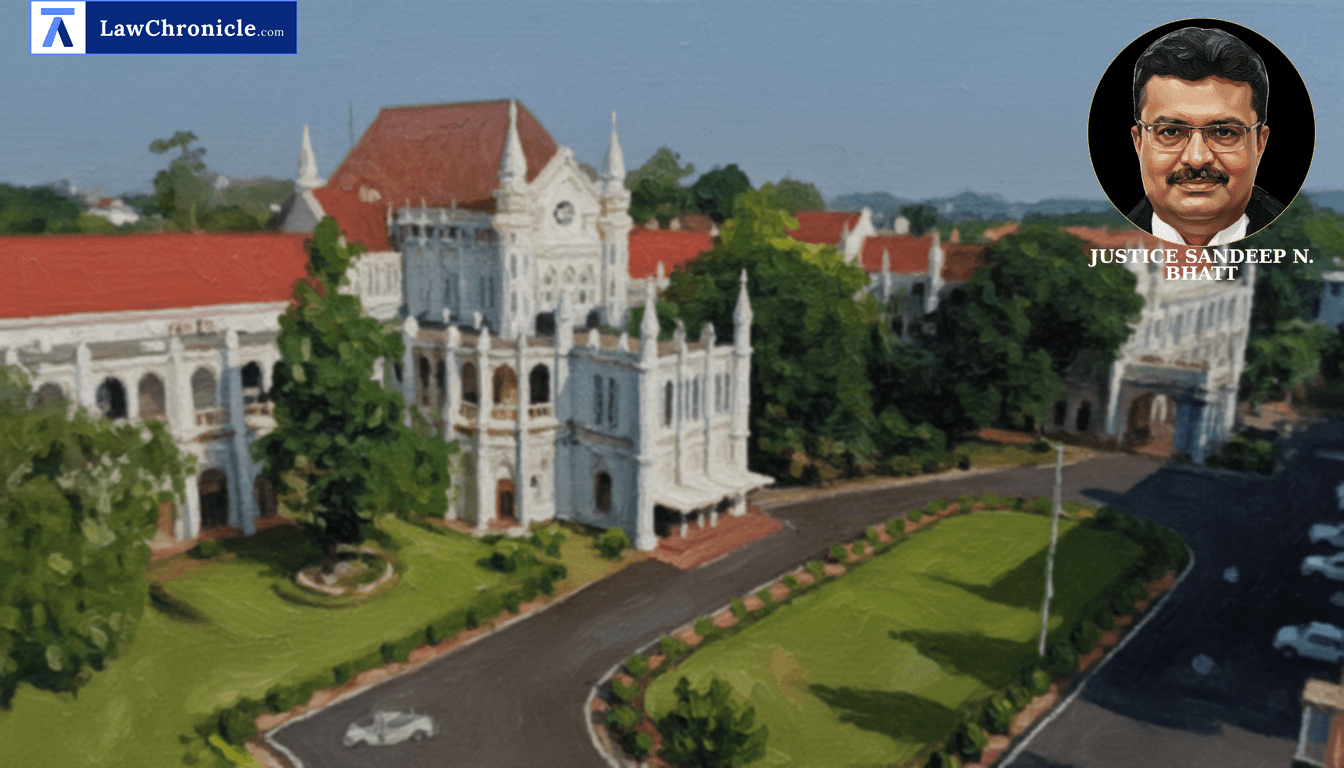
The Madhya Pradesh High Court has slammed the brakes on judicial interference in industrial plot disputes, ruling that writ jurisdiction cannot be invoked to resolve grievances arising from private commercial or contractual obligations without proof of procedural illegality.
Justice Sandeep N. Bhatt, sitting as a single judge bench, presided over the petition which sought extensive directions against the Madhya Pradesh Industrial Development Corporation Ltd. (MPIDC) regarding alleged discrepancies in site layouts and plot identities in the Agar Malwa Phase-I Industrial Area.
Key Takeaways
Judicial Restraint in Contracts
High Courts should remain extremely cautious and "slow" in exercising writ jurisdiction under Constitution of India when the dispute is fundamentally rooted in private commercial or contractual ties.
Requirement of Procedural Illegality
Intervention in state-led industrial allotments is only permissible if there is a glaring, apparent illegality in the decision-making process of the authorities.
Prematurity of Litigation
Legal challenges initiated while the petitioner still has a subsisting window to fulfill contractual obligations such as pending payment deadlines are liable to be dismissed as lacking a concrete cause of action.
Court Observations and Directions
The Court noted that the petitioner was issued a Letter of Intent (LOI) for Plot No. 205 for establishing an industrial unit. Despite the petitioner's failure to pay the balance amount of Rs. 20,29,240/-, the Court observed that the petitioner himself admitted the payment deadline was still open until November 21, 2026.
The Court, in its reasoning, observed: "In the catena of judgment passed by the Hon'ble Apex Court, the Apex Court has held that the High Court should be very slow while exercising its jurisdiction under Article 226 of the Constitution of India when the dispute relates to private commercial or contractual obligation. Unless, there is apparent illegalities found in the decision making process, the Court should not interfere."
Finding no material warranting interference, the Court dismissed the writ petition. The Court has the following directions:
"However, it is clarified that it is open for the petitioner to pursue his representation made before respondent No.3 and the respondent No.3/concerned authority shall decide the same in accordance with law."
Ratio
The High Court cannot exercise its extraordinary jurisdiction under the Constitution of India to adjudicate disputes arising from private commercial or contractual obligations unless there is a clear and apparent illegality in the administrative decision-making process. Parties are expected to exhaust administrative representations or adhere to contractual timelines before seeking judicial remedies.
Background
The petitioner, Govind Yadav, proprietor of Maa Bhagwati Flour Milla, approached the Court seeking a direction to the respondents to produce original records, including tender notices and site layouts from February and September 2026. The petitioner alleged a discrepancy in the location and boundaries of Plot No. 205, measuring 1501.411 sq m, which was allotted via a Letter of Intent dated May 22, 2026.
While the petitioner had paid an advance of Rs. 29,337/-, a substantial amount remained outstanding. The petitioner argued that the revised site layout published by the authorities prejudiced his interests. However, during the hearing, it was revealed that the petitioner still had time to comply with the payment terms. The Court ultimately found no ground for interference, maintaining that the dispute was essentially contractual in nature and did not meet the threshold for writ intervention.
Case Details:
Case No.: WRIT PETITION No. 43304 of 2026
Neutral Citation: 2026:MPHC-IND:29095
Case Title: Govind Yadav Proprietor Of M/S Maa Bhagwati Flour Milla Versus State Of Madhay Pradesh Through Principal Secretary Department Of Industrial Policy And Investment Promotion And Others
Appearances:
For the Petitioner(s): Shri Jayant Parmar - Advocate
For the Respondent(s): Shri Kushagra Singh - Govt. Advocate
Source: 2026 CaseBase(MP) 32661
Similar Articles
 Breaking News


