


Non-Recovery of Journey Ticket No Ground to Reject Railway Claims: Delhi HC
 Copy Link
 Share
 Save
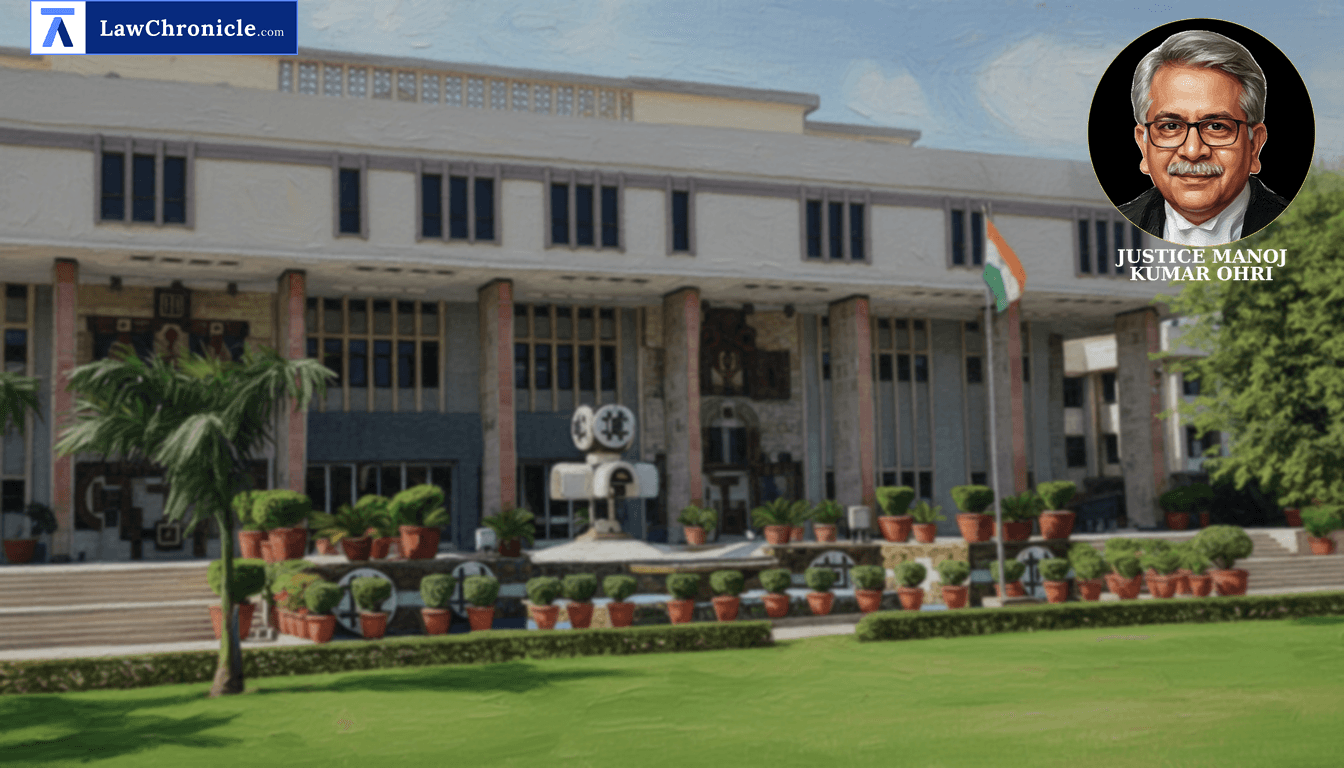
The Delhi High Court has fortified the rights of railway accident victims, ruling that the mere absence of a physical journey ticket cannot be the sole basis to deny compensation for 'untoward incidents.' The court emphasized that once the initial burden of proving passenger status is discharged by the claimant, the onus shifts to the Railways to provide cogent evidence to the contrary.
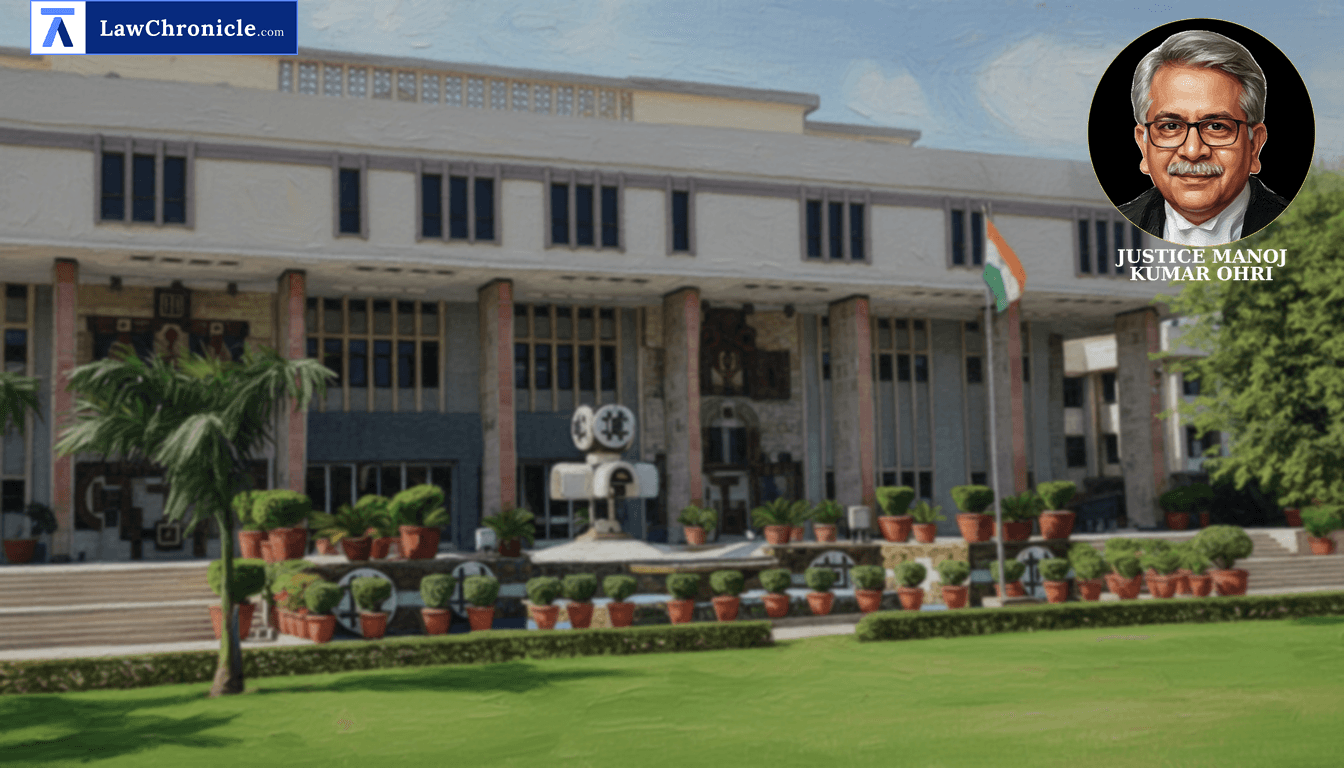
A single-judge bench of Justice Manoj Kumar Ohri was hearing an appeal challenging a Railway Claims Tribunal order that dismissed a claim for compensation following a fatal fall from a train. The Court scrutinized the Tribunal’s reliance on circumstantial findings, particularly concerning the nature of injuries and the discovery of the body on tracks, noting that judicial inferences must be grounded in direct evidence rather than mere speculation.
Key Takeaways
Ticket Non-Recovery Is Not Fatal
Claimants cannot be denied compensation solely because a journey ticket was not recovered from the deceased, provided the initial burden of proof is met.
Shift in Burden of Proof
Once a claimant establishes the basic facts of the journey, the burden of proof shifts to the Railways to disprove the bona fide status of the passenger.
Eyewitness Evidence Over Circumstances
Circumstantial evidence like the condition of the body or the location of its discovery cannot override the lack of direct testimony from Loco Pilots or Guards regarding the accident.
Narrow Interpretation of 'Untoward Incident' Rejected
Courts must examine the entire sequence of events and medical evidence rather than treating severe injuries like decapitation as conclusive proof of a 'run-over' accident.
Court Re-evaluates Bona Fide Passenger Status
The Court observed that the appellant had consistently maintained the deceased purchased a ticket and was traveling with a co-passenger. Citing Union of India v. Rina Devi ( "(2019) 3 SCC 572": 2018 CaseBase(SC) 1157), the bench noted that the initial burden of proof is discharged by placing relevant facts on record. The Court stated that even if a co-passenger's testimony is excluded, the Railways must still rebut the claimant's assertions with cogent evidence.
In the present case, the Railways failed to discharge this onus. The Court highlighted that the Railway Claims Tribunal Act, 1987 is beneficial legislation and procedural technicalities regarding ticket recovery should not frustrate its intent.
Direct Evidence Needed to Negate 'Untoward Incident'
Addressing the Tribunal's finding that the death was not an 'untoward incident' under Section 123(c)(2) of the Railways Act, 1989, the High Court pointed out that the record lacked statements from the Guard or Loco Pilot. The Court, in its reasoning, observed: "The conclusion reached by the Tribunal proceeds from the condition in which the body was ultimately found to the manner in which the accident must necessarily have occurred. That inference, in the opinion of this Court, is not borne out by the evidence. The absence of any evidence from the Guard or Loco Pilot of either train becomes particularly relevant in this regard."
Applying the principle from Hoti Lal & Anr. v. Union of India, the Court ruled that the theory of a passenger being run over cannot be accepted solely on the location of the body without direct evidence establishing that the deceased had entered the track voluntarily.
The Court has the following directions:
"the impugned judgment is set aside and the matter is remanded back to the Tribunal, which is requested to assess the amount of compensation payable to the appellant in accordance with law and direct the authorities concerned to disburse the same within two months from the receipt of a copy of this order."
Ratio
The non-recovery of a journey ticket from the body of a victim does not automatically disqualify them from being a 'bona fide passenger' under the Railways Act. Once a claimant provides a credible narrative and evidence of the journey, the burden of proof shifts to the Railway administration to establish that the victim was an unauthorized traveler. Furthermore, circumstantial evidence regarding the nature of injuries cannot substitute the lack of direct evidence (such as Loco Pilot or Guard statements) when determining if an event qualifies as an 'untoward incident.'
Background
The dispute arose following the death of Shiv Kumar, who allegedly fell from a running train on November 28, 2011, while traveling from Kashganj to Hathras. The appellant, the father of the deceased, filed for compensation under the Railway Claims Tribunal Act, 1987. The Railway Claims Tribunal dismissed the application, holding that the deceased was not a bona fide passenger due to the non-recovery of the ticket and concluding that the injuries (amputation of the neck) suggested he was run over by a goods train rather than falling from a passenger train.
The High Court, however, found that the Tribunal’s findings were speculative. It noted that two trains had passed at similar times and that no eyewitness account supported the 'run-over' theory. Relying on Union of India v. Rina Devi ( "(2019) 3 SCC 572": 2018 CaseBase(SC) 1157) and Lata v. Union of India ( "2026 SCC OnLine SC 1350": 2026 CaseBase(SC) 667), the High Court set aside the Tribunal’s order and allowed the appeal.
Case Details:
Case No.: FAO 152/2023
Case Title: Ram Bhakt Sharma V. Union Of India
Appearances:
For the Petitioner(s): Mr. Rajan Sood, Ms. Ashima Sood and Ms. Megha Sood, Advocates
For the Respondent(s): Mr. Vikrant Nilesh Goyal, Mr. Inderpreet Singh and Mr. Kunal Dixit, Advocates
Source: 2026 CaseBase(DEL) 6663
Similar Articles
 Breaking News


