Policy Prevalent At Time Of Death Governs Compassionate Appointment: Bombay HC
 Copy Link
 Share
 Save
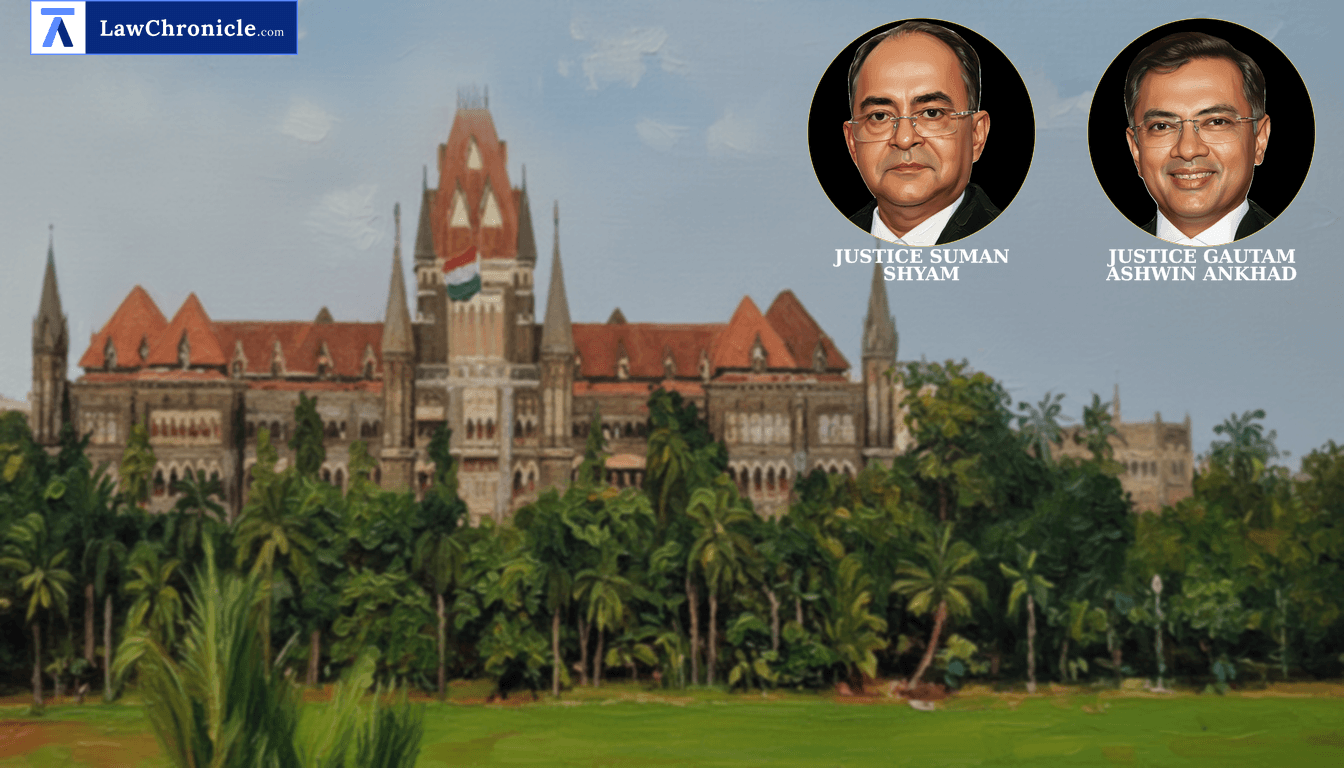
The Bombay High Court barred retrospective claims for compassionate appointment, ruling that the eligibility of a dependent must be measured strictly against the policy in force on the date of the employee's demise. The Bench ruled that subsequent government resolutions expanding the scope of such appointments cannot revive stale claims or create fresh rights for heirs who were ineligible at the time of the breadwinner's death.
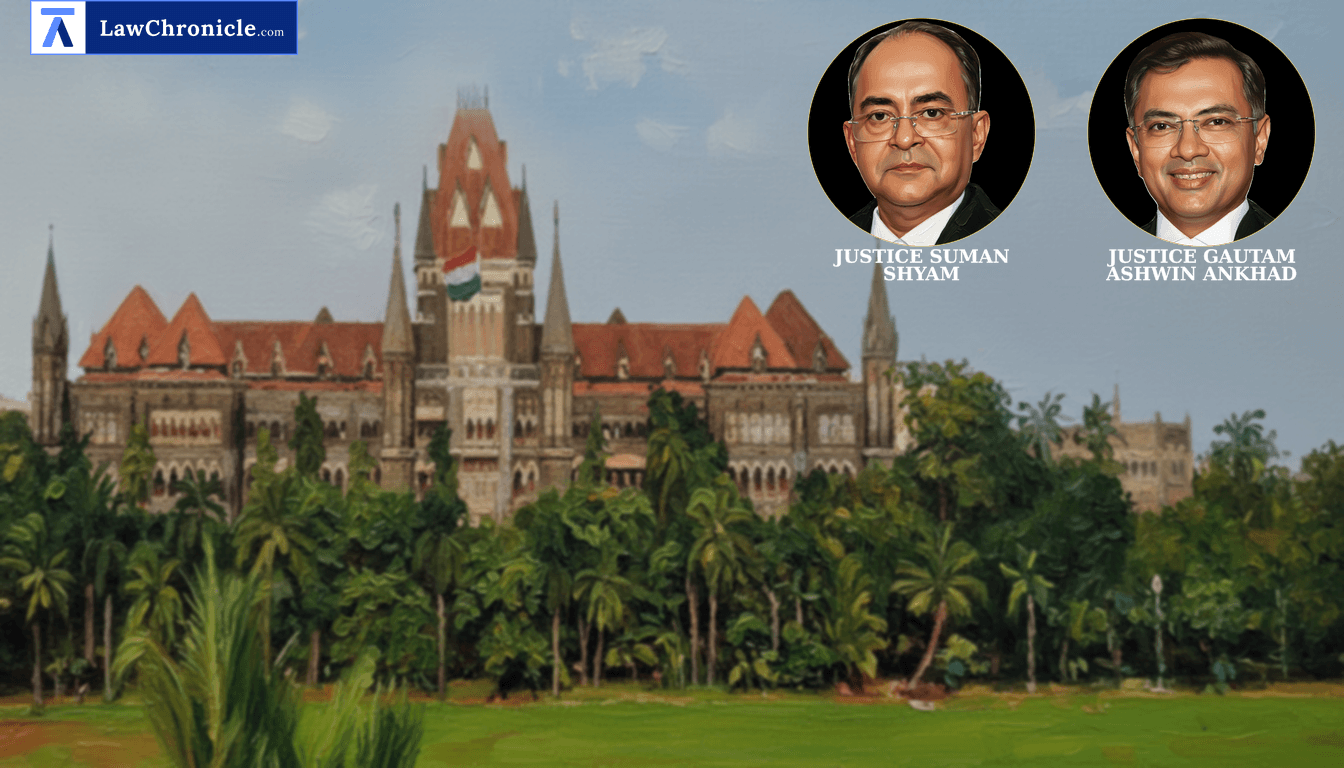
A Division Bench comprising Justice Suman Shyam and Justice Gautam A. Ankhad adjudicated a challenge where a petitioner sought appointment on compassionate grounds based on a 2021 policy update, despite his father having passed away in 2019. The Bench clarified that compassionate appointment is a time-sensitive financial relief mechanism, not a vested right that can be claimed whenever a new, more favorable policy is introduced.
Key Takeaways
Date of Death is Decisive
The eligibility for compassionate appointment is strictly governed by the policy prevalent at the time of the employee's death, not the date of application.
No Retrospective Application
Subsequent Government Resolutions (GRs) extending benefits to higher employee categories (like Category 'A' and 'B') do not apply to deaths occurring prior to the resolution's effective date.
Loss of Immediacy
Delays in seeking appointment or filing fresh applications years after the initial rejection undermine the core objective of providing 'immediate' financial assistance to a family in crisis.
Res Judicata in Administrative Claims
Failure to challenge an initial rejection based on the then-prevailing policy prevents a litigant from seeking the same relief under a later policy.
Nature of Compassionate Appointment
The Bench emphasized that compassionate appointment is an exception to the general rule of recruitment under Article 16 of the Constitution. The Bombay High Court expressed that "It is well settled that compassionate appointment is an exception to the ordinary rule of recruitment. Its object is to mitigate hardship by providing immediate financial assistance to the family of a deceased employee facing financial crisis on account of untimely death of the sole bread earner of the family. The sense of immediacy is lost by the delays in seeking such appointment. Compassionate appointment is not a vested right which can be exercised at any time."
Referring to the precedent in State of West Bengal v. Debabrata Tiwari, the Bombay High Court noted that authorities must determine eligibility based on the specific scheme governing the appointment at the time of the vacancy. The Bench further relied on State of Madhya Pradesh & Ors. Vs. Ashish Awasthi ( "(2022) 2 SCC 157": 2021 CaseBase(SC) 1366) to underscore that a subsequent scheme cannot be looked into for deciding claims arising from a prior demise.
Ratio
The claim for compassionate appointment must be decided exclusively on the basis of the relevant scheme or policy prevalent on the date of the demise of the employee; a subsequent policy or amendment cannot be applied retrospectively to create a fresh cause of action for the legal heirs of a deceased employee who was ineligible under the original policy.
Background
The petitioner's father, a Category 'B' employee (Senior Assistant Store Keeper), passed away in August 2019. At that time, the governing policy dated September 21, 2017, restricted compassionate appointments to the legal heirs of Category 'C' and 'D' employees only. Consequently, an application filed by the petitioner's elder brother in 2019 was rejected, and this rejection attained finality.
In 2023, the petitioner filed a fresh application, citing a Government Resolution dated September 27, 2021, which extended the benefit to Category 'A' and 'B' employees effective from January 1, 2020. The State rejected this application on the grounds that the 2021 resolution operated prospectively and the petitioner was bound by the 2017 policy. The Bombay High Court upheld the State's decision, finding that the petitioner's reliance on the subsequent resolution was misplaced as his father had passed away before the new policy became operative.
Case Details:
Case No.: WRIT PETITION NO.5349 OF 2024
Neutral Citation: 2026:BHC-AS:39732-DB
Case Title: Hrishikesh Haribhau Chavan Vs. The State of Maharashtra & Anr.
Appearances:
For the Petitioner(s): Mr. Hrishikesh Nabar, h/f. Ms. Gargi Warunjikar, Advocates
For the Respondent(s): Smt. Shruti D. Vyas, Additional Government Pleader with Smt. G.R. Raghuwanshi, Assistant Government Pleader; Mr. Prafulla D. Pawar, Advocate
Source: 2026 CaseBase(BOM) 6501
Similar Articles
 Breaking News