


Proof of Specific Abetment Essential for Section 306 IPC Conviction: Gujarat HC
 Copy Link
 Share
 Save
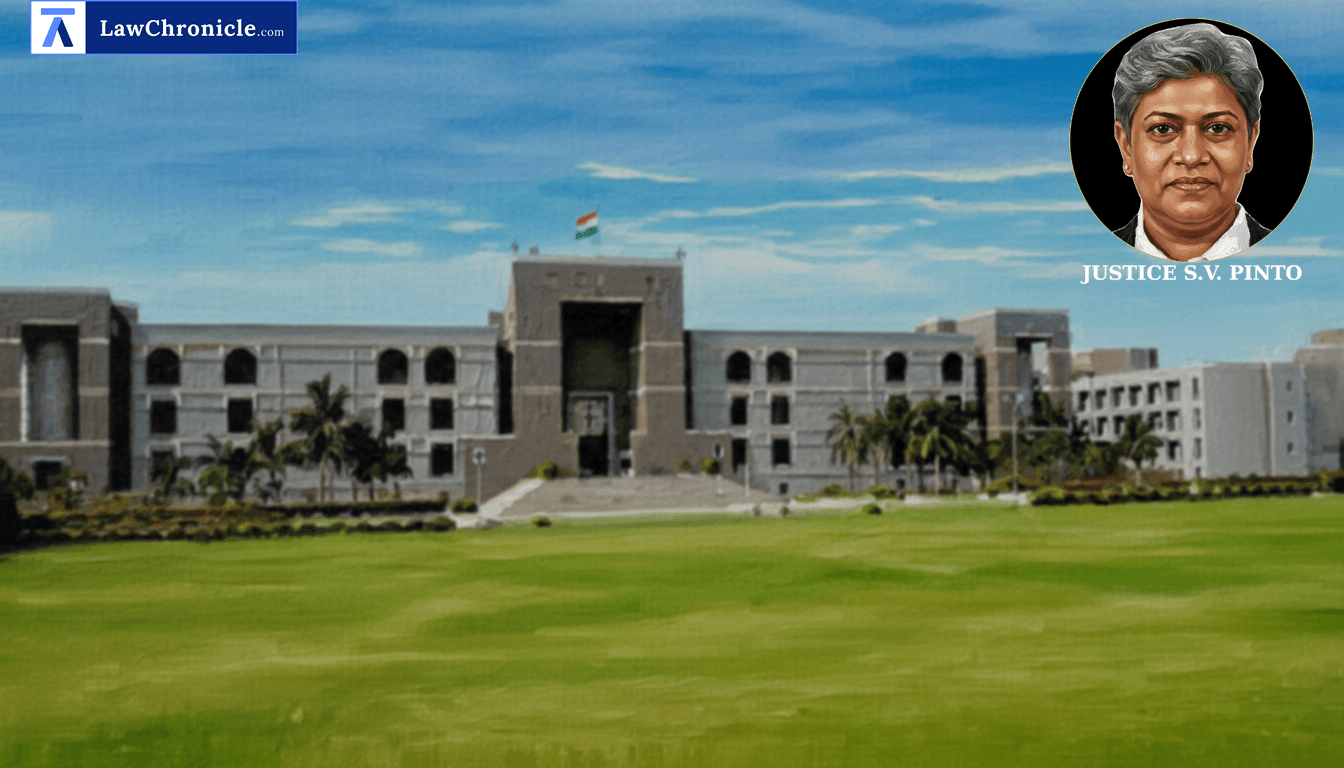
The High Court of Gujarat has reaffirmed that mere allegations of matrimonial harassment or childlessness cannot sustain a conviction for abetment of suicide without clear evidence of a specific act of instigation or intentional aid. By upholding an acquittal, the Court underscored that the double presumption of innocence in favor of the accused remains paramount in the absence of a direct nexus between the alleged cruelty and the victim's extreme step.
In an appeal challenging the acquittal of a husband and his parents, Justice S.V. Pinto observed that the prosecution failed to bridge the gap between matrimonial discord and the act of suicide. The bench was tasked with reviewing whether the trial court had erred in dismissing charges under Sections 498A, 306, and 114 of the Indian Penal Code.
Key Takeaways
Stricter Scrutiny of Abetment Claims
The Court emphasized that for a conviction under Section 306 of the Indian Penal Code, the prosecution must prove a direct or indirect act of incitement proximate to the time of death.
Double Presumption of Innocence
An order of acquittal reinforces the initial presumption of innocence, requiring the appellate court to find manifest illegality or perversity before interfering with the trial court's findings.
Nexus Between Harassment and Suicide
General allegations of mental and physical harassment, particularly regarding childlessness, are insufficient to establish guilt without evidence that the deceased was left with no alternative.
Medical Evidence Consistency
The absence of physical injuries in post-mortem reports can significantly weaken claims of physical assault or immediate provocation.
Strict Standards for Instigation and Mens Rea
The Court noted that the essential ingredients of abetment, as defined in Section 107 of the Indian Penal Code, require a clear mens rea. Referring to the legal principles established in Mahendra Awase vs The State of Madhya Pradhesh ( "Criminal Appeal No. 221/2025 (@ SLP(Cr) No. 11868/2023) passed on 17th January, 2025": 2025 CaseBase(SC) 126), the Court highlighted that the act of abetment must be established by the prosecution through positive actions.
The Court, in its reasoning, observed: "The mere fact that a woman has committed suicide or that there were matrimonial differences or alleged instances of harassment would not, by itself, be sufficient to establish the offence of abetment of suicide. There must be cogent evidence demonstrating instigation, intentional aid or participation of the accused persons in the commission of suicide, together with the requisite mens rea. In the present case, the prosecution has failed to bring on record any specific act of instigation, intentional assistance or active participation on the part of any of the accused persons."
Analysis of Witness Testimony and Improvements
During the proceedings, the Court scrutinized the testimony of the complainant (the deceased's father) and independent witnesses. It was revealed that no complaints had been filed during the eight-year marriage of the deceased. Furthermore, the complainant admitted that the FIR was lodged only after a collective decision by neighbours, and his initial statements to the police contained no allegations of harassment. The Medical Officer’s testimony further corroborated that the cause of death was drowning and that similar injuries could occur from an accidental fall.
Ratio
To convict a person under Section 306 of the Indian Penal Code, there must be a clear nexus between the alleged harassment and the suicide, involving a specific act of instigation, provocation, or intentional aid as contemplated under Section 107 of the Indian Penal Code. In the absence of evidence showing the deceased was driven to a position with no other option, or where two reasonable views of the evidence are possible, the view favoring the innocence of the accused must prevail.
Background
The case arose following the death of Baliben, who jumped into a well in November 2010. The prosecution alleged she was harassed by her husband and in-laws because she remained childless after losing a son and suffering a miscarriage. The trial court, vide order dated 11.08.2011, acquitted the accused after finding material omissions and contradictions in the prosecution's case. The State challenged this under Section 378(1)(3) of the Code of Criminal Procedure, 1973, arguing that the trial court ignored evidence. However, the High Court found no perversity in the trial court's reasoning, noting that the deceased appeared "mentally disturbed" due to personal losses rather than matrimonial cruelty. The Court dismissed the appeal and confirmed the acquittal.
The Court has the following directions:
"The judgment and order of acquittal passed by the learned Trial Court acquitting the accused persons of the offences punishable under Sections 498A, 306 and 114 of the Indian Penal Code deserves to be confirmed. The appeal, therefore, fails and is accordingly dismissed. The impugned judgment and the order dated 11.08.2011 in Sessions Case No.11 of 2011 passed by the learned 7th Additional Sessions Judge, Panchmahals at Godhra is hereby confirmed. Bail bond stands cancelled. Record and proceedings be sent back to the concerned Trial Court forthwith."
Case Details:
Case No.: R/CRIMINAL APPEAL NO. 415 of 2013
Neutral Citation: 2026:GUJHC:69666
Case Title: State Of Gujarat Versus Swarupbhai Parvatbhai Patelia & Ors.
Appearances:
For the Petitioner(s): Mr Krutik Parikh, APP
For the Respondent(s): Mr Parthiv A Bhatt, Advocate
Source: 2026 CaseBase(GUJ) 31974
Similar Articles


 Breaking News


