


State Cannot Use Technicalities to Deny Regularization After Two Decades of Service: Orissa HC
 Copy Link
 Share
 Save
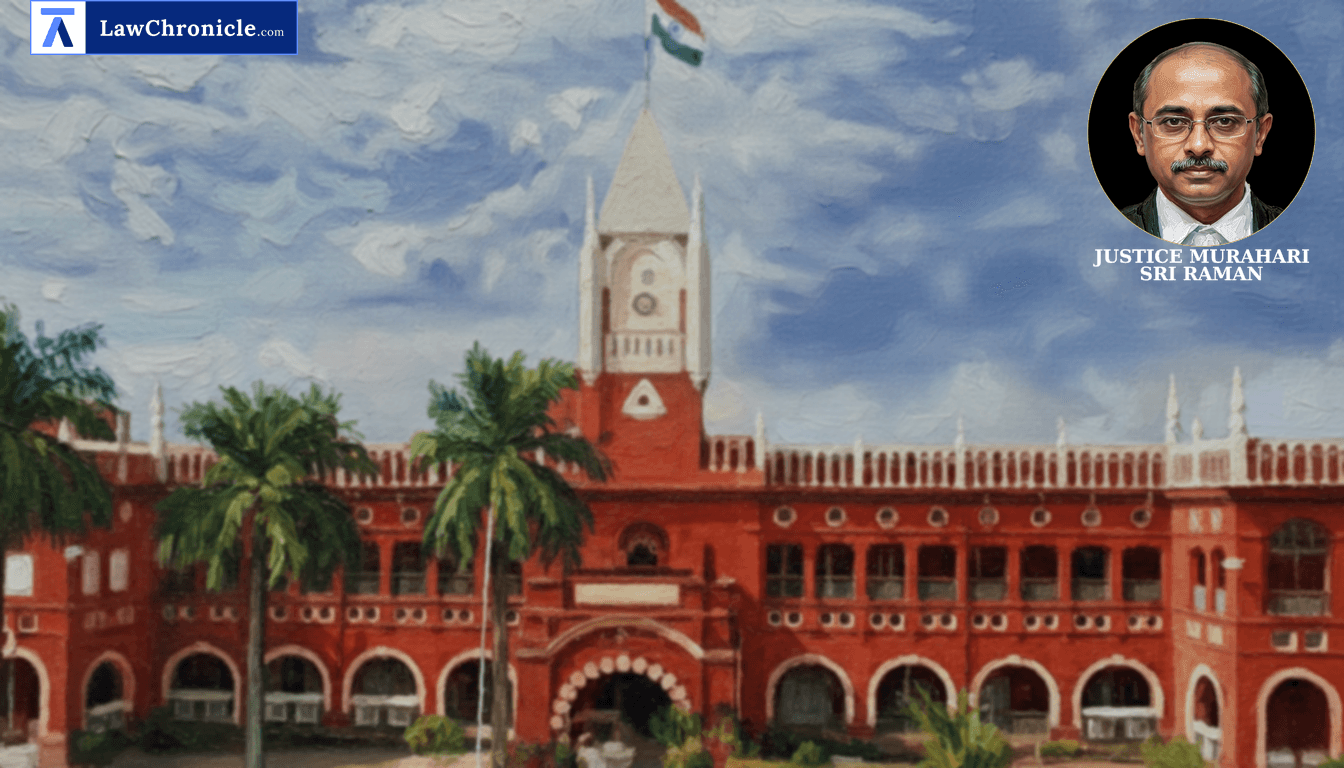
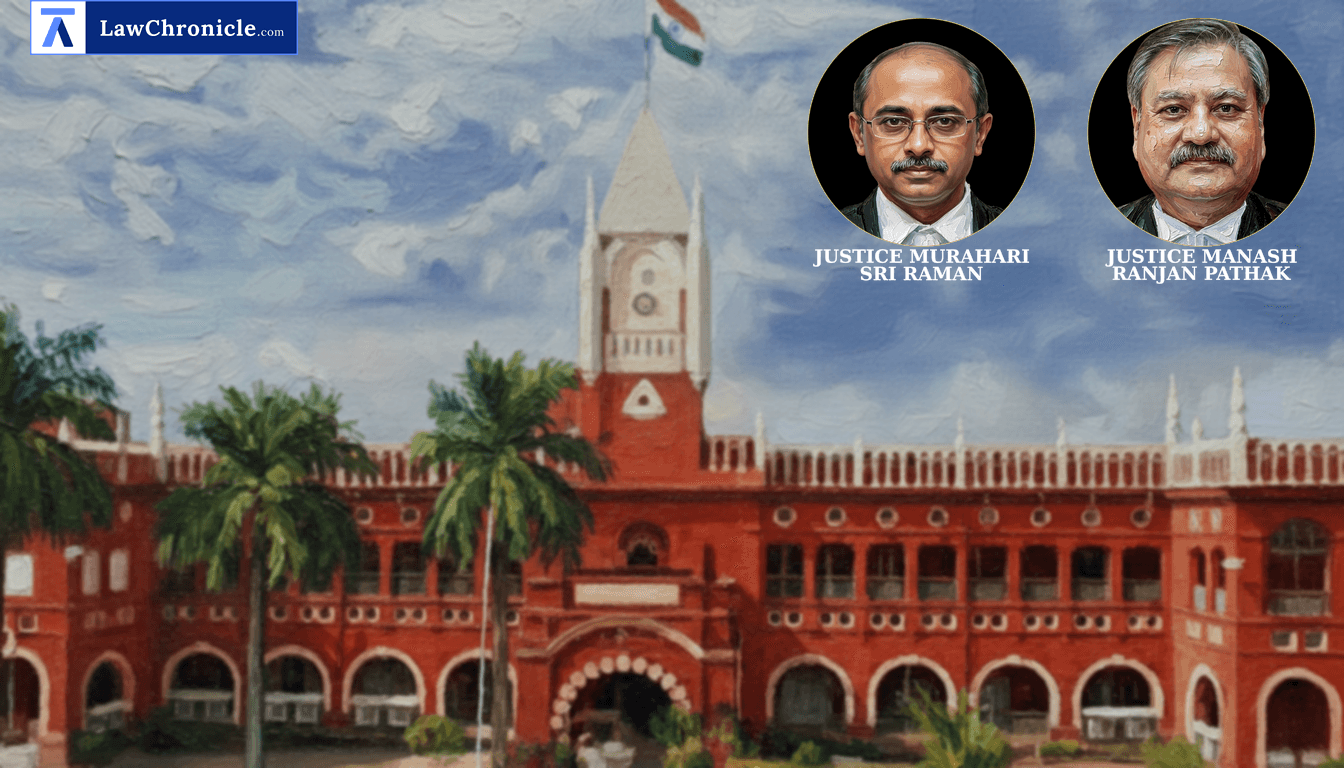
The Orissa High Court has ruled that the State, acting as a model employer, cannot shield itself behind technicalities or missing reservation formalities to deny regularization to employees who have rendered over 20 years of unblemished service. The Bench emphasized that prolonged contractual engagement against sanctioned posts transforms into a scenario demanding fair regularization, effectively preventing the government from 'gambling with the careers' of its long-serving workforce.
Justice Murahari Sri Raman heard the petition filed by a Laboratory Attendant who had been working at Shailabala Women’s Autonomous College since 2000. The petitioner challenged an order issued by the Commissioner-cum-Secretary, Higher Education Department, which had rejected his claim for regularization despite similarly situated employees receiving such benefits.
Key Takeaways
- End of Prolonged 'Ad-hocism': The Orissa High Court ruled that the State cannot perpetually maintain employees under 'temporary' labels to evade long-term obligations when the work is perennial in nature.
- Model Employer Obligations: The judgment reinforces that the State must act with fairness and candour, and cannot exploit the vulnerability of employees in unequal bargaining positions.
- Reservation Policy Constraints: The Court clarified that the Orissa Reservation Of Vacancies In Posts And Services (For Scheduled Castes And Scheduled Tribes) Act, 1975 does not apply retrospectively to contractual posts for regularization purposes if such criteria were not in place at the time of initial engagement.
- Parity in Employment Benefits: The ruling establishes that the State cannot discriminate between identically situated employees based on minuscule technicalities regarding the source of their remuneration fund.
Exploitative Employment
The Orissa High Court observed that the petitioner had completed more than 21 years of service without any protection from interim orders. It noted that the sanctioned strength for Laboratory Attendants had significant vacancies, yet the State continued to extract regular work under a contractual label.
The Bench observed that “The petitioner cannot be kept on the tenterhooks of employment for years together, by brushing aside and discarding his hopes and expectations for indefinite future with unresponsive indifference. This is nothing but a form of exploitation of the employees by not giving him the benefits of regularisation and by placing the Sword of Damocles over his head.” The Orissa High Court further highlighted that the State is not a mere market participant but a constitutional employer. It relied on Jaggo Vrs. Union of India to emphasize that bureaucratic limitations cannot trump the legitimate rights of workmen who have served in de facto regular roles for extended periods.
The Court directed that "Under above premise, the Order No.16119— HE-FE-III-CASE-006/2018/HE, dated 09.08.2019 passed by the Commissioner-cum-Secretary to the Government in Department of Higher Education (Annexure-11) purported to have been passed in compliance with the direction issued by the Odisha Administrative Tribunal vide Order dated 15.01.2018 in the Original Application bearing No.3917(C) of 2017 cannot be held to be tenable in the eye of law and, therefore, said Order is set aside. In the wake of above, the matter is remitted to the opposite party No.1- Commissioner-cum-Secretary to the Government in Department of Higher Education for fresh consideration of the claim of the petitioner in the light of discussions made hitherto within a period of three months hence."
Ratio
The 'law declared' by the Court is that when an employee has rendered long and continuous service against a sanctioned post voluntarily and continuously for more than ten years, the appointment should be treated as 'irregular' rather than 'illegal,' making them eligible for regularization. The State as a model employer is under a constitutional obligation under Articles 14 and 16 to act with fairness and cannot rely on the mere form of engagement or subsequent administrative resolutions to deny equitable treatment to long-serving employees.
Background
The petitioner was engaged as a Laboratory Attendant in 2000 and continued to discharge duties across various departments for over two decades. In 2019, the Department of Higher Education rejected his representation for regularization, citing non-compliance with the Orissa Reservation Of Vacancies In Posts And Services (For Scheduled Castes And Scheduled Tribes) Act, 1975 and criteria set out in Administrative Tribunals Act, 1985. The State argued that since the petitioner was paid from a 'Self-Financing Fund,' he was not entitled to parity with regular employees.
The Orissa High Court scrutinized several precedents, including Secretary, State of Karnataka Vrs. Umadevi and State of Karnataka & Others Vrs. M.L. Kesari & Others, to determine the criteria for regularization. It found that since the petitioner was qualified and worked against a sanctioned vacancy, the lack of a formal recruitment process at the college level made the appointment 'irregular' but not 'illegal.' Following the principles in State of Odisha Vrs. Jatin Kumar Das and Jaggo Vrs. Union of India, the Court set aside the rejection order, directing the State to reconsider the regularization claim within three months.
Case Details:
Case No.: W.P.(C) No.22932 of 2019
Neutral Citation: 2026:OHC:88
Case Title: Santosh Kumar Patra Vrs. State of Odisha and Others
Appearances:
For the Petitioner(s): M/s. Biswabihari Mohanty, Manas Harichandan, Sushree Sangita Sahu, Advocates
For the Respondent(s): Mr. Jayant Kumar Bal, Additional Government Advocate
Source: 2026 CaseBase(ORI) 1584
Similar Articles
 Breaking News


